
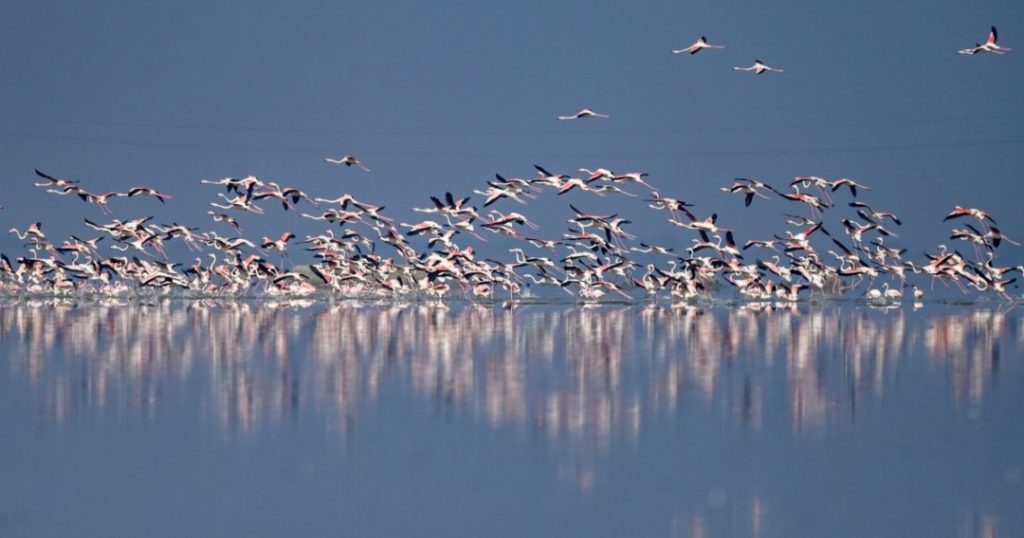

Jaipur: Rajasthan’s Sambhar Lake is at its most breathtaking phase of the year, turning into a vast pink panorama as thousands of flamingos touch down for their annual winter migration. India’s largest inland salt lake is now teeming with colour and movement — a sign that this year’s ecological conditions have aligned in the birds’ favour.
A Bigger, Brighter Migration Season
Locals and birding groups say the number of flamingoes arriving this week is noticeably higher than the last few seasons. Adequate rainfall, balanced salinity, and steady water spread across the basin have created ideal feeding grounds.
In previous years, fluctuating water levels and inconsistent food supply often meant smaller flocks. But this winter, the lake seems to be offering everything they need.
Wildlife officials confirm that both Greater Flamingoes and Lesser Flamingoes have been sighted, with more groups expected over the next few weeks.
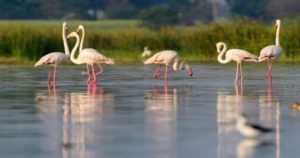
The real magic, visitors say, happens at the edges of the day.
At sunrise, the lake glows softly as birds wade through the shallow water, their reflections merging into a single pastel wash. By late afternoon, the lake picks up deeper shades of pink as the sun begins to drop, and the birds move in synchronized waves that ripple across the horizon.
For photographers and casual tourists alike, it’s a rare moment when the landscape turns almost otherworldly — as if the lake itself has borrowed the birds’ colour.
Healthy Conditions Signal a Positive Shift
According to forest department officials, the abundance of brine shrimp and algae — two essential food sources for flamingoes — is the biggest reason behind the surge. These tiny organisms thrive only when water salinity levels remain stable, something Sambhar Lake has struggled with in recent years due to unpredictable rainfall patterns and increased human activity around the basin.
“This season looks promising. The food chain is healthy, and the lake’s water spread has held steady,” an official said, noting that the improved conditions are a welcome sign for the long-term survival of the lake’s delicate ecosystem.
A Draw for Travellers, Birders and Researchers
Sambhar Lake’s annual flamingo migration has always been a visual treat, but this year’s return is attracting a wider crowd — from serious ornithologists to weekend travellers looking for a unique winter experience.
Local guides say homestays and camps around the lake have started seeing higher footfall. Many visitors plan their trip around sunrise or sunset to witness the flamingoes take flight in massive pink clouds — a moment that often leaves people silent before they reach for their cameras.
Researchers also see this as an opportunity to study migration patterns more closely, especially at a time when climatic variations are affecting bird movements across the country.
A Season of Hope for Sambhar
Beyond the beauty and the tourist buzz, the return of such large flamingo flocks brings a sense of optimism for the region. Sambhar Lake has faced challenges over the years — unauthorized salt extraction, shrinking water levels, and ecological stress. A strong flamingo season signals that the lake still retains the resilience and natural richness it has been known for.
For now, Sambhar Lake stands transformed — a vast, shimmering stretch of pink wings and quiet ripples. And for those able to make the trip this winter, it offers a front-row seat to one of nature’s most graceful seasonal rituals.
