

A major change is set to come into effect at two of India’s most revered pilgrimage sites. Beginning in 2026, non-Hindus will not be allowed to enter the Badrinath Temple and Kedarnath Temple.
The Badrinath–Kedarnath Temple Committee, which oversees these temples and others in the area, made the call. Officials explained that the decision aims to protect the temples’ religious significance, particularly during the yearly Char Dham pilgrimage. This is when countless pilgrims journey to the mountains to pray.
New Rule to Extend Across Multiple Char Dham Temples
The restriction will not be limited to Badrinath and Kedarnath alone. The temple committee manages around 47 temples, and the new entry rule is expected to apply to all of them.
What the Rule Means for Visitors
The new guideline does not stop non-Hindu travellers or tourists from visiting the towns of Badrinath or Kedarnath, or from travelling through the surrounding Himalayan region.
However, entry inside the temple premises will be restricted.
Visitors from other faiths will still be able to explore the pilgrimage towns, experience the culture and admire the landscapes, but the temples themselves will remain open only to Hindu devotees.
Importance of the Shrines
Both Badrinath and Kedarnath hold immense religious significance in Hindu tradition.
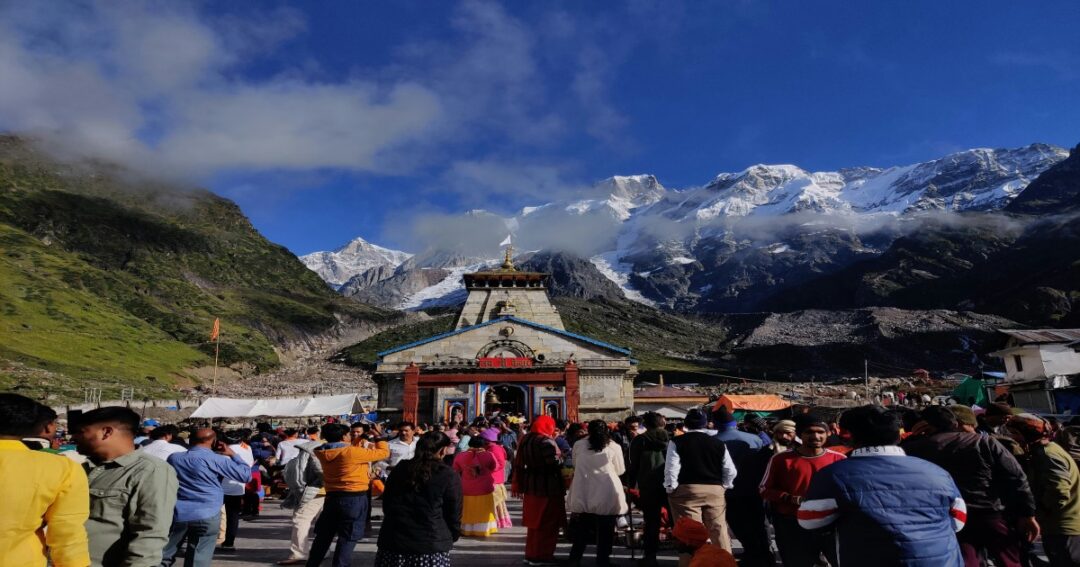
Kedarnath Temple, dedicated to Lord Shiva, is one of the twelve Jyotirlingas and is located at a high altitude in the Garhwal Himalayas. Reaching the shrine requires a long trek through rugged mountain terrain, making the journey both physically demanding and spiritually meaningful for devotees.
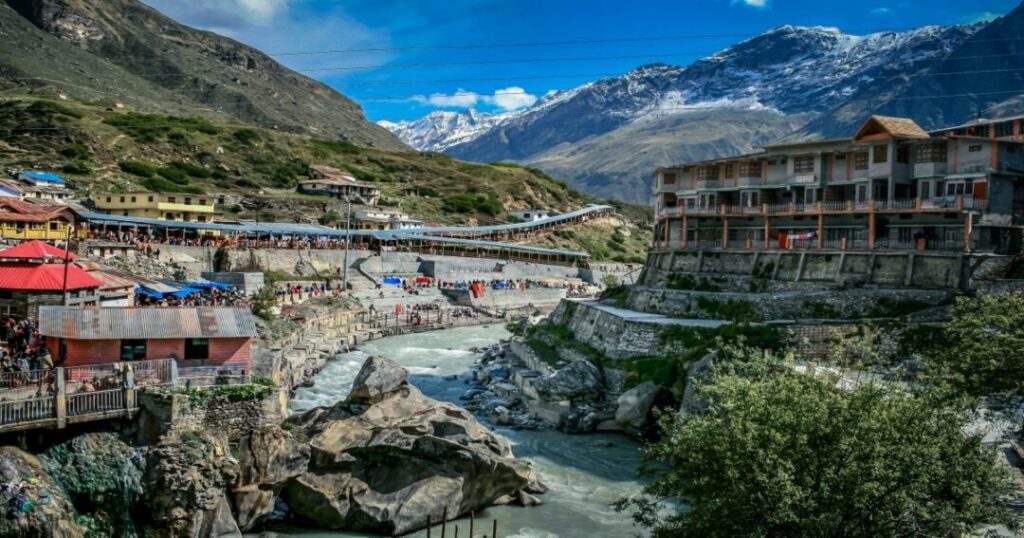
Badrinath Temple, dedicated to Lord Vishnu, stands on the banks of the Alaknanda River and has been a major pilgrimage centre for centuries. It is one of the four sacred shrines that make up the Char Dham Yatra, a journey considered deeply important in Hindu belief.
Every year, once the temples reopen after winter, thousands of pilgrims gather to seek blessings.
A Decision That Has Sparked Discussion
The announcement has already triggered debate in religious and social circles. Supporters of the decision argue that temples have the right to maintain their traditions and religious practices.
Others believe that questions around access to religious sites and pilgrimage tourism will continue to be discussed, especially as these destinations attract visitors from across the world.
For now, temple authorities say the focus remains on protecting the spiritual identity of the shrines.
As preparations for future pilgrimage seasons continue, the new rule is likely to remain a widely discussed development among devotees, travellers and observers of India’s evolving pilgrimage culture.