

Why the 2026 Everest Climbing Season Became One of the Most Historic Ever
There are mountains… and then there’s Everest.
No matter how many times people see photos of Mount Everest or watch documentaries about it, the world’s tallest mountain still holds a strange power over human imagination. It’s freezing, dangerous, unpredictable, exhausting — and yet every year, hundreds of climbers risk everything for a chance to stand on top of the world.
But the 2026 Everest climbing season felt different.
This year turned into one of the busiest, most emotional, and most talked-about Everest seasons in recent history. From dangerous ice conditions and massive summit crowds to emotional success stories and heartbreaking losses, Mount Everest once again reminded the world why it continues to fascinate adventurers globally.
What Made the 2026 Everest Season So Special?
The 2026 Mount Everest climbing season stood out because of:
- Record-breaking summit attempts
- Dangerous Khumbu Icefall conditions
- Massive climber traffic near the summit
- Historic Sherpa achievements
- Emotional personal stories from climbers
- Growing concerns about overcrowding on Everest
For many mountaineers, this season felt less like a normal expedition and more like a historic moment in modern climbing history.
Everest Base Camp Turned Into a Frozen City
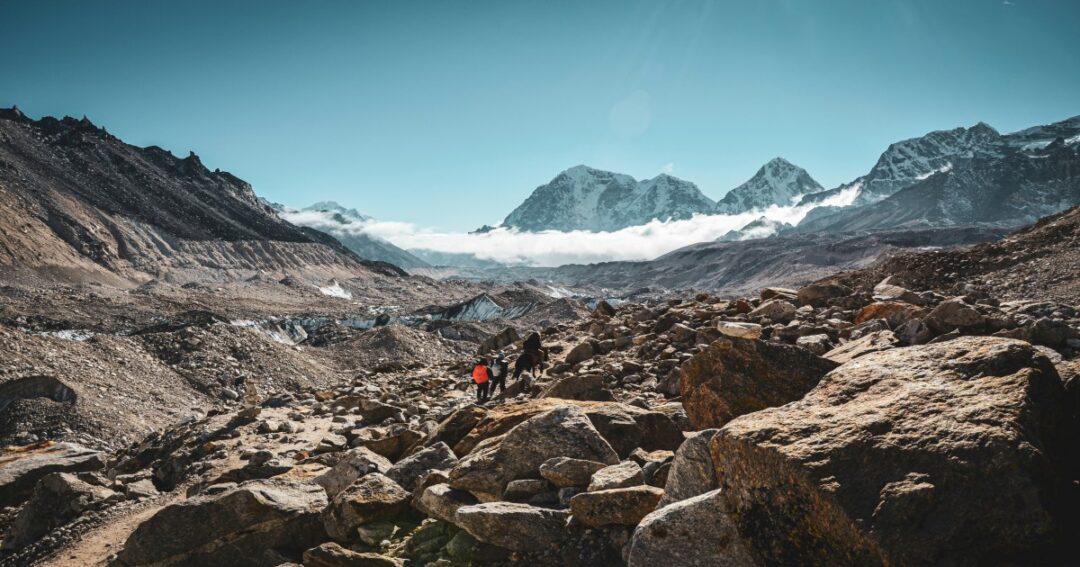
By April 2026, Everest Base Camp had transformed into a temporary city built on ice and rock.
Colorful expedition tents stretched across the glacier while prayer flags fluttered in freezing Himalayan winds. Helicopters continuously delivered supplies, climbers prepared gear inside heated dining tents, and expedition teams from around the world gathered for one common goal — reaching the summit of Mount Everest.
Life at Everest Base Camp
For many climbers, this wasn’t just another adventure trip.
Some had trained for years for this moment. Others had spent their life savings attempting to climb Everest. Many returned after failed summit attempts in previous years because they simply couldn’t forget the mountain.
At Base Camp, emotions were everywhere:
- First-time climbers are nervous about altitude
- Veteran mountaineers tracking weather updates
- Sherpas carrying equipment before sunrise
- Teams are waiting anxiously for safe climbing windows
Because on Everest, the mountain always decides who gets through.
The Khumbu Icefall Became One of the Biggest Challenges
Before climbers could even think about the summit, Everest delivered an early warning.
Dangerous Conditions in the Khumbu Icefall
The Khumbu Icefall — one of the deadliest parts of the Everest climb — became extremely unstable during the 2026 season.
Huge ice towers shifted constantly while deep crevasses opened across the glacier. Dangerous glacier movement delayed route fixing operations for days, forcing climbers to remain stuck at Base Camp longer than expected.
Climbers crossing the Khumbu Icefall had to:
- Walk across aluminium ladders over deep crevasses
- Navigate collapsing ice sections
- Carry heavy climbing equipment in freezing temperatures
- Move through one of the most dangerous areas on Earth before sunrise
Sherpa teams worked tirelessly to fix ropes and ladders through the icefall so expeditions could safely move toward higher camps.
The Summit Push Began — And So Did the Crowds
Once the weather window finally opened in May, everything changed quickly.
Hundreds of climbers began moving toward Camp 3, Camp 4, and eventually the summit together.
Massive Crowds Near the Everest Summit
Photos from the 2026 Everest season showed long lines of climbers waiting near the summit ridge at over 8,000 meters above sea level.
At that altitude, often called the “Death Zone,” oxygen levels are so low that even standing still becomes exhausting.
Yet climbers continued pushing upward.
For many, the final summit push became less about physical strength and more about mental survival.
One step. One breath. One more step.
That’s what climbing Everest feels like near the top.
Reaching the Summit of Mount Everest in 2026
Despite brutal conditions, hundreds of climbers successfully reached the summit during the 2026 climbing season.
Emotional Moments at the Top of the World
Some climbers cried after reaching the summit. Others stood silently staring across the Himalayas, overwhelmed by the moment.
For a few brief minutes, they stood above every mountain on Earth.
But experienced climbers know one important truth:
Reaching the summit is only half the journey.
Descending Everest safely is often even more dangerous because climbers are exhausted, dehydrated, and low on oxygen.
Still, standing on the highest point on Earth remains one of the most life-changing experiences imaginable.
Sherpas Were Once Again the Real Heroes of Everest
While international climbers often receive most of the attention, the 2026 Everest season once again proved that Sherpas are the backbone of Himalayan expeditions.
Why Sherpas Are Essential on Everest
Sherpas play a critical role in Everest climbing by:
- Carrying oxygen cylinders and expedition gear
- Fixing ropes across dangerous sections
- Guiding climbers through storms and icefalls
- Performing high-altitude rescues
- Opening safe climbing routes
Several Sherpas completed multiple Everest summits during the 2026 season — an achievement almost impossible for the average climber.
Without Sherpas, commercial Everest expeditions would simply not exist.
Has Mount Everest Become Too Crowded?
The 2026 season also reignited one of the biggest debates in mountaineering:
Is Everest Becoming Overcrowded?
Many veteran climbers believe Everest has become dangerously crowded.
Long traffic lines near the summit can cause serious risks because climbers may:
- Run low on oxygen
- Spend too much time in the Death Zone
- Suffer exhaustion and frostbite
- Face delays during dangerous weather changes
At the same time, Everest expeditions have become increasingly commercialized, allowing more people than ever to attempt the climb.
Some see this as inspiring.
Others believe overcrowding is putting lives at risk.
Environmental Problems on Mount Everest Continue Growing
Another major concern during the 2026 Everest climbing season was pollution and waste management.
Everest’s Environmental Challenges
Cleanup teams continue removing waste from Everest every year, but environmental problems remain serious.
Common issues include:
- Discarded oxygen cylinders
- Abandoned climbing gear
- Damaged tents
- Human waste at high camps
As climbing tourism grows, protecting the mountain has become one of the biggest challenges facing the future of Everest expeditions.
Why Do People Still Want to Climb Everest?
Despite the danger, extreme cold, high cost, and physical suffering, people continue returning to Mount Everest every year.
The Emotional Meaning of Everest
For some climbers, Everest represents ambition.
For others, healing, transformation, or personal redemption.
Many climbers describe Everest as a battle against fear, doubt, comfort, and limitation.
And perhaps that’s why Everest still matters so deeply to people around the world.
Not because it’s easy to climb.
But because it isn’t.
Final Thoughts on the 2026 Everest Climbing Season
The 2026 Mount Everest season felt far bigger than a normal climbing year.
It became a season filled with:
- Historic summit attempts
- Dangerous ice conditions
- Emotional victories
- Painful losses
- Sherpa achievements
- Difficult conversations about overcrowding and sustainability
Yet through everything, Everest remained exactly what it has always been:
Powerful. Unpredictable. Beautiful. Brutally honest.
Mount Everest doesn’t care who you are, where you come from, or how badly you want the summit.
And maybe that’s exactly why humans continue chasing it.