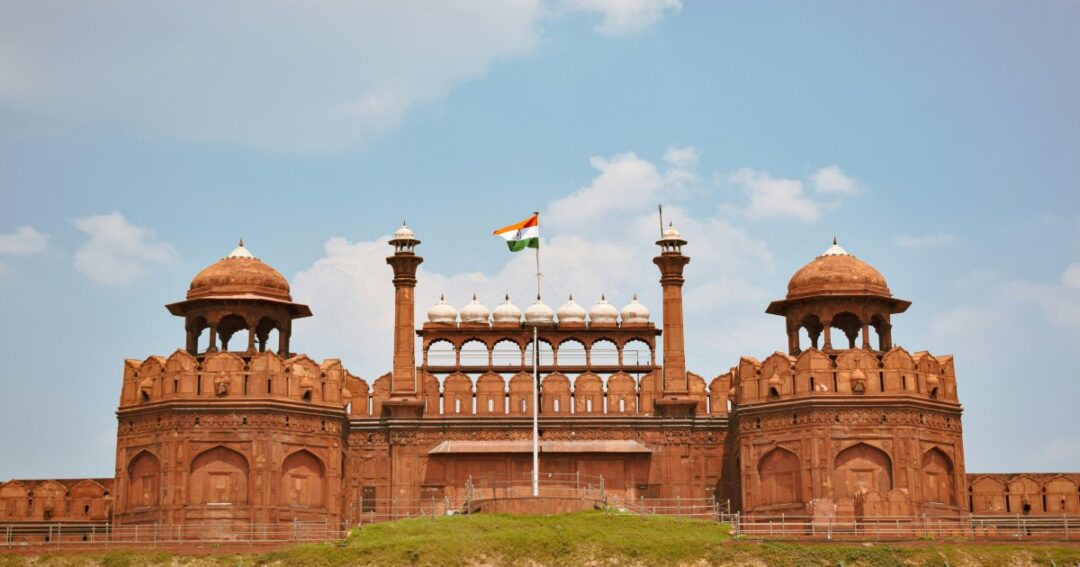

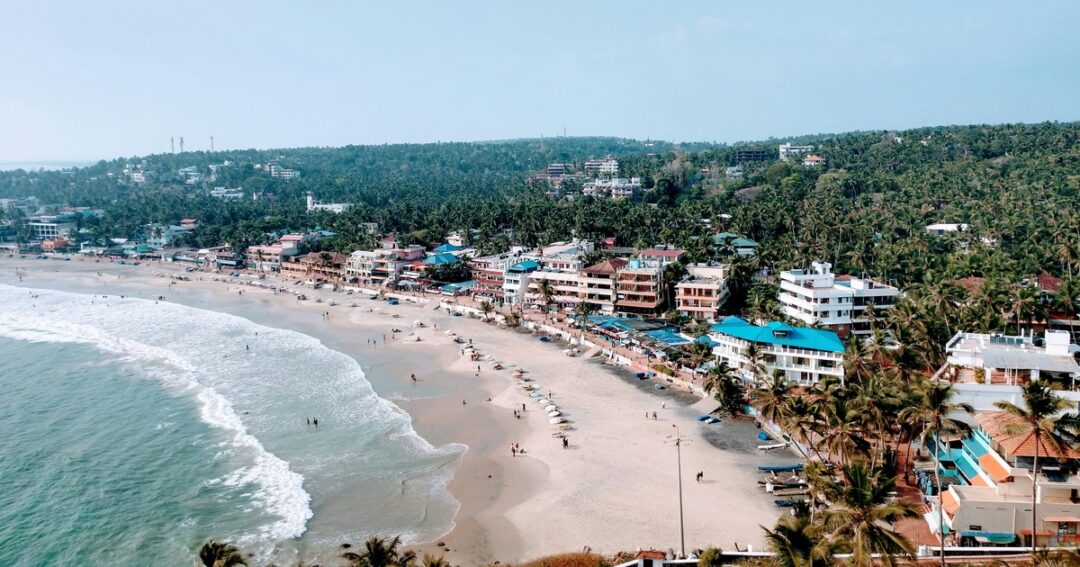

New Delhi: India has everything a traveller could ask for—snow-capped mountains, tropical beaches, wildlife, heritage cities, and centuries-old monuments. Yet, despite its incredible diversity, the country has not fully tapped into its tourism potential. A new report by NITI Aayog says that one of the biggest reasons is the slow pace at which tourism infrastructure is developed.
In its report, Unlocking Growth in Tourism and Hospitality Sector, the government think tank has recommended a series of reforms to make it easier to invest in tourism projects, build hotels faster, and improve the overall travel experience. The goal is to make India more competitive as a global tourism destination while creating jobs and attracting more investment.
One of the report’s biggest concerns is the time it takes to develop new hotels. In India, a hotel project can take anywhere between 36 and 48 months to become operational after receiving approvals. In comparison, similar projects in many Southeast Asian countries are completed in just 12 to 18 months. According to the report, long approval timelines, multiple clearances, and complex regulations not only increase costs for developers but also slow the growth of quality accommodation across the country.
To speed things up, NITI Aayog has suggested introducing single-window clearance systems, simplifying licensing procedures, and reducing unnecessary regulatory requirements. These measures are expected to encourage private investment and help expand tourism infrastructure at a much faster pace.
The report also recommends making travel to India easier for international visitors. It proposes expanding visa-on-arrival and multiple-entry visa facilities for travellers from selected countries, while also improving transport connectivity and promoting sustainable tourism across destinations.
Tourism already plays a significant role in India’s economy. In FY24, the sector contributed 5.22% to the country’s GDP, generated economic output worth ₹15.73 lakh crore, and supported nearly 84.6 million jobs. NITI Aayog believes that with the right policy support, the sector has the potential to grow much faster and become a stronger driver of employment and economic development.
The recommendations are part of the government’s broader Viksit Bharat 2047 vision, which aims to position India among the world’s leading tourism destinations. If implemented, the proposed reforms could lead to faster hotel development, better visitor infrastructure, and an improved experience for both domestic and international travellers.
As travel continues to rebound and demand for new destinations grows, the report makes a strong case that easing regulations and investing in better infrastructure could help India convert its immense tourism potential into long-term economic growth.