

For years, witnessing the Northern Lights was considered a once-in-a-lifetime dream reserved for adventurous travelers. Today, that dream is becoming a reality for thousands of visitors who are traveling to Arctic destinations in search of one of nature’s most spectacular displays.
From Iceland’s volcanic landscapes to the remote wilderness of northern Canada, demand for Northern Lights tours and Arctic vacations continues to grow. Travel operators report increasing bookings, winter accommodations are filling up earlier, and more travelers are adding aurora viewing experiences to their bucket lists.
What was once a niche travel experience has now become one of the world’s fastest-growing travel trends.
Why Are More Travelers Chasing the Northern Lights?
The Northern Lights, also known as the Aurora Borealis, offer an experience that goes far beyond photography and sightseeing.
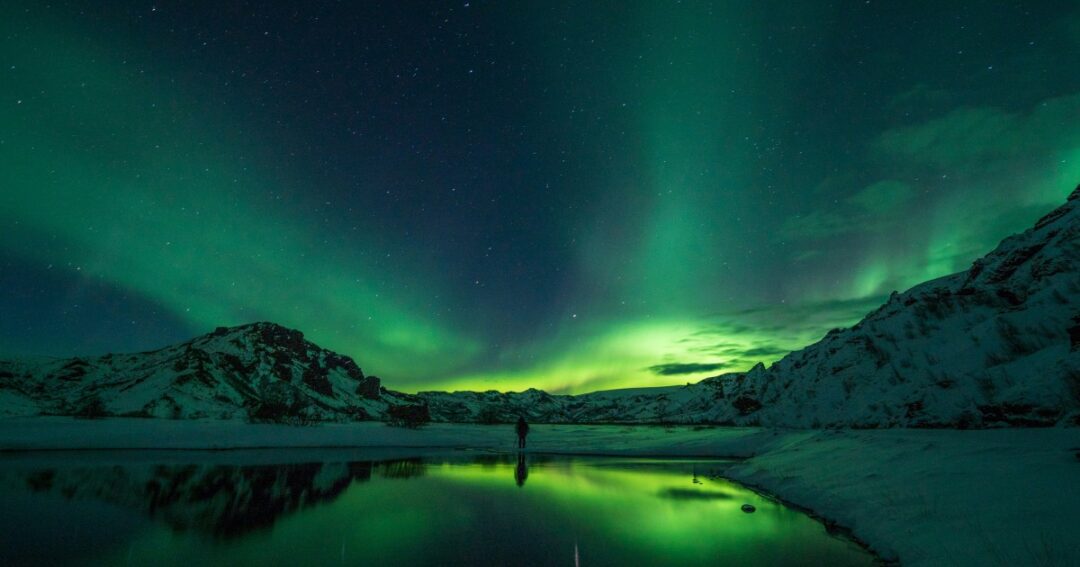
Travelers often describe the experience as emotional, unforgettable, and unlike anything they have ever witnessed. Seeing colorful ribbons of green, purple, and blue light dance across a star-filled Arctic sky creates memories that last a lifetime.
According to experienced aurora guides, visitors often arrive expecting beautiful views but leave with a deeper appreciation for nature’s power and beauty.
What Makes the Northern Lights So Special?
Imagine standing beneath a clear winter sky surrounded by snow-covered landscapes. The air is cold and silent. Suddenly, bright streaks of light begin to appear overhead, gradually transforming the darkness into a moving canvas of color.
This natural phenomenon occurs when charged particles from the sun collide with Earth’s atmosphere, creating stunning displays of light in polar regions.
For many travelers, witnessing the Northern Lights becomes the highlight of their entire journey.
Increased Solar Activity Is Creating Better Aurora Viewing Opportunities
One of the major reasons behind the recent surge in Northern Lights tourism is increased solar activity.
Scientists monitoring the sun’s current solar cycle have observed stronger solar storms and geomagnetic activity, resulting in more frequent and vibrant aurora displays across Arctic regions.
As reports and images of spectacular sightings continue to spread online, more travelers are planning Arctic holidays to maximize their chances of experiencing the phenomenon firsthand.
What are the best places to see the Northern Lights
Iceland
Iceland remains one of the most popular destinations for Northern Lights viewing. Visitors can combine aurora tours with waterfalls, glaciers, volcanoes, black sand beaches, and geothermal lagoons.
Finland
Finland offers unique Arctic experiences including glass igloos, reindeer safaris, snowmobile adventures, and excellent Northern Lights viewing opportunities.
Norway
Northern Norway attracts travelers with its dramatic fjords, picturesque fishing villages, Arctic wildlife, and reliable aurora sightings.
Canada
Northern Canada provides some of the world’s darkest skies, making it an excellent destination for observing the Aurora Borealis away from light pollution.
Northern Lights Travel Is About More Than the Aurora
While the Northern Lights may be the primary attraction, many travelers discover much more during their Arctic adventures.
Activities such as dog sledding, wildlife encounters, cultural experiences, ice fishing, winter hiking, and exploring remote Arctic communities add depth to the journey.
For many visitors, the destination itself becomes just as memorable as the aurora they came to see.
Why Experience-Based Travel Is Driving the Trend?
Modern travelers are increasingly prioritizing meaningful experiences over traditional sightseeing.
Instead of simply visiting famous landmarks, people are seeking moments that feel authentic, emotional, and unique. The Northern Lights perfectly align with this growing travel trend.
Unlike many attractions, the aurora cannot be guaranteed. Weather conditions, cloud cover, and solar activity all play a role in determining visibility.
That uncertainty makes the experience even more rewarding when the lights finally appear.
How Arctic Tourism Benefits Local Communities?
The rise in Northern Lights tourism is providing significant economic benefits to Arctic destinations.
Hotels, tour operators, restaurants, transportation services, and local businesses are experiencing strong growth during winter months, helping support local economies and create employment opportunities.
At the same time, tourism organizations are working to promote sustainable travel practices that protect fragile Arctic environments while accommodating increasing visitor numbers.
The Future of Northern Lights Tourism
The popularity of Northern Lights travel shows no signs of slowing down. As travelers continue searching for unforgettable experiences, Arctic destinations remain at the top of many travel wish lists.
In a world where most experiences can be viewed through a screen, standing beneath a dark Arctic sky and watching the Northern Lights illuminate the horizon remains one of the most extraordinary travel experiences available.