

The narrow streets of Jaipur’s Walled City have witnessed nearly three centuries of history. Lined with pink façades, old havelis and crowded bazaars, the historic quarter remains the cultural and commercial heart of the Rajasthan capital. Now, the same historic district is drawing the attention of global heritage authorities.UNESCO has raised concerns about redevelopment and construction activities in Jaipur’s Walled City, asking Indian authorities to explain how the work aligns with the conservation standards expected of a World Heritage site.
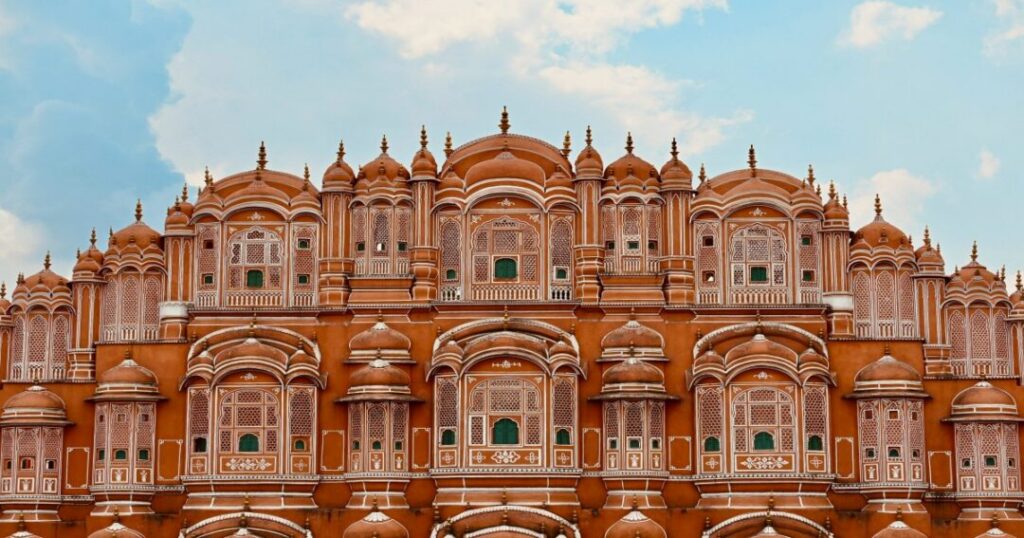
Founded in 1727 by Maharaja Sawai Jai Singh II, the city was designed as a carefully organised urban centre, with broad streets intersecting at right angles and markets assigned to specific trades.
A Historic Core That Never Sleeps
Unlike many historic districts that have become quiet, museum-like zones, Jaipur’s Walled City remains a lively urban space. From early morning until late evening, the streets remain crowded with shoppers, traders, tourists and residents.
Markets such as Johari Bazaar and Bapu Bazaar are famous for jewellery, textiles and handicrafts. Small family-run businesses operate out of buildings that are often decades or even centuries old.
For those who live there, the Walled City is not simply a heritage site. It is where they work, shop and raise their families.
But this constant activity also brings pressure.
Development vs Preservation
Over the past few years, Jaipur has seen rapid growth as tourism and commerce have expanded. The demand for more shops, improved infrastructure and better visitor facilities has led to renovation and construction in parts of the Walled City.
Many buildings are being repaired or modified to meet modern needs. Some are being adapted into hotels, restaurants or commercial spaces.
While such changes are common in a living city, heritage experts say they must be carefully monitored in areas recognised for their historical value. Even small alterations—new materials, altered facades or structural changes—can gradually change the character of a heritage district.
It is these kinds of concerns that UNESCO is now seeking clarification on.
What UNESCO Is Asking
The organisation has asked authorities to provide details about ongoing redevelopment projects and how they are being regulated within the heritage zone and surrounding buffer areas. The government has been given time until December 2026 to submit a detailed report addressing the issue. The report will later be reviewed by the World Heritage Committee, which regularly monitors heritage sites across the world.
Protecting a Living Heritage
For Jaipur, the challenge is not simply about preserving buildings. It is about protecting a historic city that is still very much alive.
Old neighbourhoods continue to function as bustling marketplaces. Residents depend on these spaces for their livelihoods, and the city’s economy is closely tied to tourism and local trade.
Officials in Rajasthan have previously said that restoration projects in the Walled City are aimed at preserving Jaipur’s traditional appearance. Facade restoration drives and conservation work have been carried out to maintain the distinctive pink architecture.
Still, experts say that protecting heritage in a fast-growing city requires careful planning and consistent oversight.
A Moment of Reflection for the Pink City
For now, UNESCO’s request is not a warning but a call for clarity. Reviews like these are part of the global monitoring process for World Heritage sites.
Yet it also serves as a reminder of the delicate balance that historic cities must maintain. Jaipur’s Walled City is not frozen in time—it continues to grow, adapt and evolve.
The task ahead is to ensure that while the city moves forward, the character that made it famous across the world remains intact.