

The sixth edition of the Chilika Bird Festival opened in Bhubaneswar not as a grand spectacle, but as a quiet reminder of what makes Chilika special — its birds, its water, and the communities that have learned to protect both.
Organised by the Odisha Tourism Department along with the Forest, Environment and Climate Change Department, the festival brings together birdwatchers, conservationists, officials, tour operators, and residents who live along the edges of Asia’s largest brackish water lagoon. This year, the conversations are less about numbers and more about responsibility.
A Lake That Breathes With the Seasons
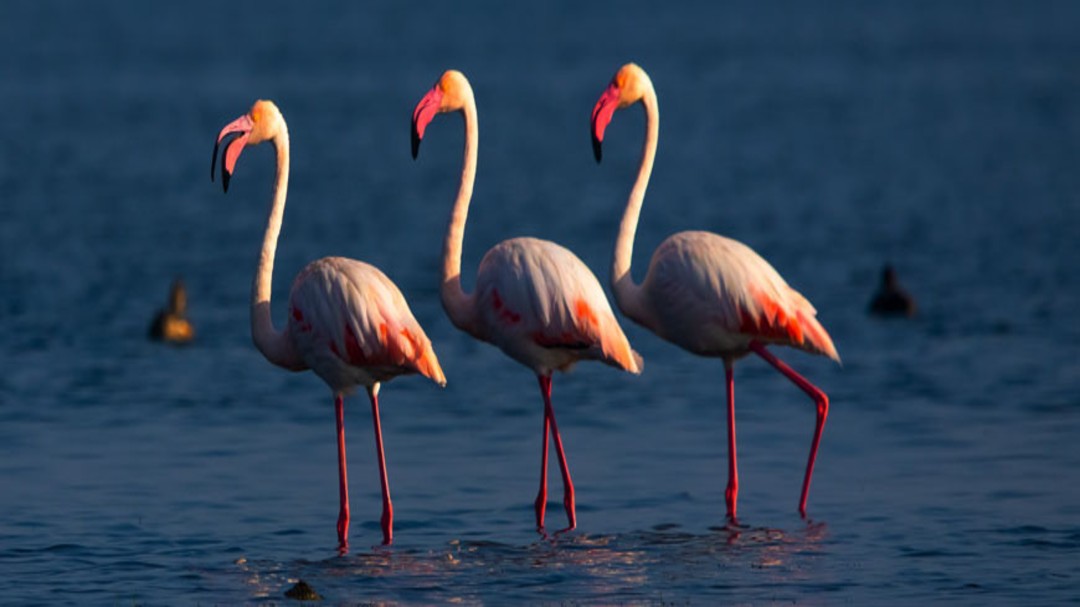
Every winter, Chilika changes. The lake fills with life as thousands of migratory birds arrive from distant lands, settling into its calm waters, marshes, and islands. For generations, this rhythm has shaped the lives of fishing communities who understand the lake not as a destination, but as a living presence.
Speakers at the opening ceremony spoke about this fragile balance — how Chilika gives, and how easily it can be disturbed if tourism grows without care.
When Conservation Became a Way of Life
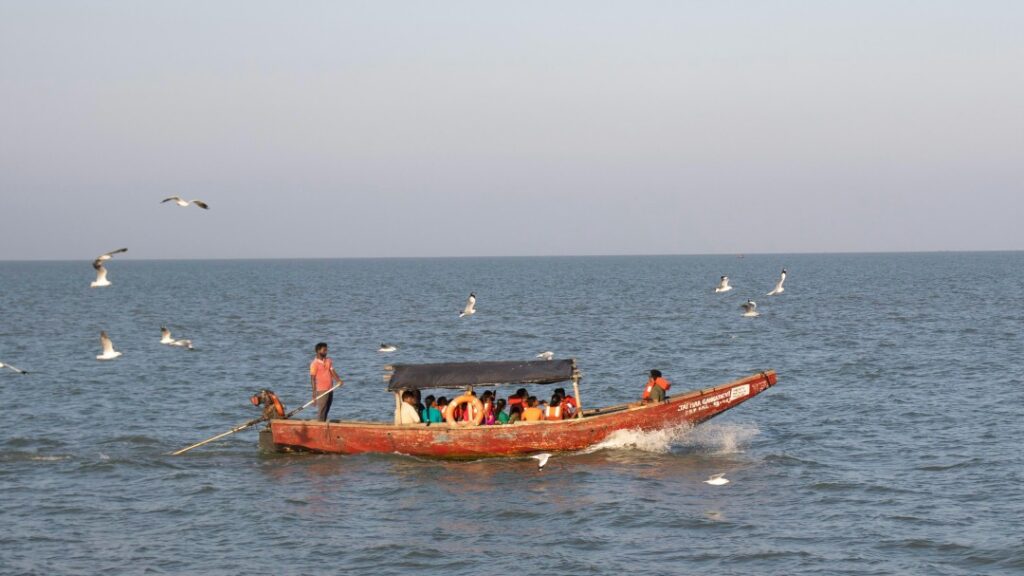
The story of Mangalajodi stood out once again. Years ago, bird hunting was common here. Today, the same hands that once trapped birds now guide visitors through narrow waterways, pointing out flocks in flight and nests hidden in reeds.
Local residents shared how conservation changed not just the landscape, but their lives. Eco-tourism has brought steady income, dignity, and a renewed sense of pride, proving that protecting nature can also protect livelihoods.
Stepping Away From the Stage
Unlike many festivals, Chilika’s celebration quickly moves away from formal halls. The real festival unfolds at dawn on the lake — in silent boats, in mist-covered waters, and in moments when a bird takes flight without warning.
Guided birdwatching at Mangalajodi and Nalabana Bird Sanctuary, informal conversations with experts, and slow walks through wetland villages form the heart of the programme.
Learning to Travel With Care
At the inauguration, simple bird guides and conservation booklets were released — not glossy souvenirs, but tools meant to educate visitors about what not to disturb, where to tread lightly, and why patience matters in nature.
Officials also discussed training local youth, enhancing eco-tourism practices, and ensuring that growth does not compromise the lake’s health.
A Festival With a Quiet Message
The Chilika Bird Festival is not about crowds or performances. It is about listening to the lake, to the birds, and to the people who have learned, sometimes the hard way, that conservation is a shared responsibility.
As winter settles over Chilika and the skies fill with wings, the festival leaves behind a simple thought: some places survive not because they are promoted, but because they are protected — day after day, by those who call them home.