

Japan Faces Growing Overtourism Challenges Amid Record Tourist Arrivals
For years, Japan worked aggressively to attract more international tourists. Today, the country faces a very different challenge — managing the overwhelming number of visitors arriving across its most popular destinations.
From the historic streets of Kyoto to overcrowded viewpoints near Mount Fuji and packed train stations in Tokyo and Osaka, overtourism in Japan has become a growing concern for both authorities and residents.
As frustration rises, Japanese authorities are responding with higher tourist taxes, stricter crowd-control measures, expanded hotel levies, and new visitor management strategies designed to protect local communities and cultural heritage.
Why Japan Is Increasing Tourist Taxes
Japan’s tourism industry has witnessed a massive post-pandemic recovery. A weaker yen, rising global interest in Japanese culture, and easier international travel have helped the country attract record-breaking visitor numbers.
However, the rapid tourism boom has created mounting pressure on infrastructure, transportation systems, residential neighbourhoods, and famous cultural sites.
To manage the impact, cities across Japan are introducing:
- Higher accommodation taxes
- Increased hotel levies
- Potential tourist entry fees
- New crowd-control regulations
- Visitor caps at overcrowded attractions
Authorities say the additional tourism revenue will help fund:
- Public transport improvements
- Waste management systems
- Heritage preservation projects
- Environmental protection initiatives
- Tourist crowd management infrastructure
Luxury hotels in tourism-heavy destinations like Kyoto are expected to face some of the biggest tax increases.
Kyoto Struggles With Heavy Tourist Crowds
Residents Say Daily Life Is Being Disrupted
Kyoto has become one of the biggest examples of Japan’s overtourism problem.
The city’s narrow heritage streets, famous temples, and traditional tea houses attract millions of visitors every year. But locals say excessive tourism is changing the character of their neighbourhoods.
Residents report several ongoing issues, including:
- Overcrowded public buses
- Tourists blocking narrow lanes
- Visitors entering private residential areas
- Constant noise in traditionally quiet neighbourhoods
- Social media-driven tourism is disrupting local culture
Many commuters in Kyoto are now struggling to board buses due to tourist congestion, especially during peak travel seasons.
Locals also complain that tourists frequently search for viral photo spots involving geishas, temples, and historic streets, often ignoring privacy and cultural etiquette.
Mount Fuji Overtourism Creates Safety And Environmental Concerns
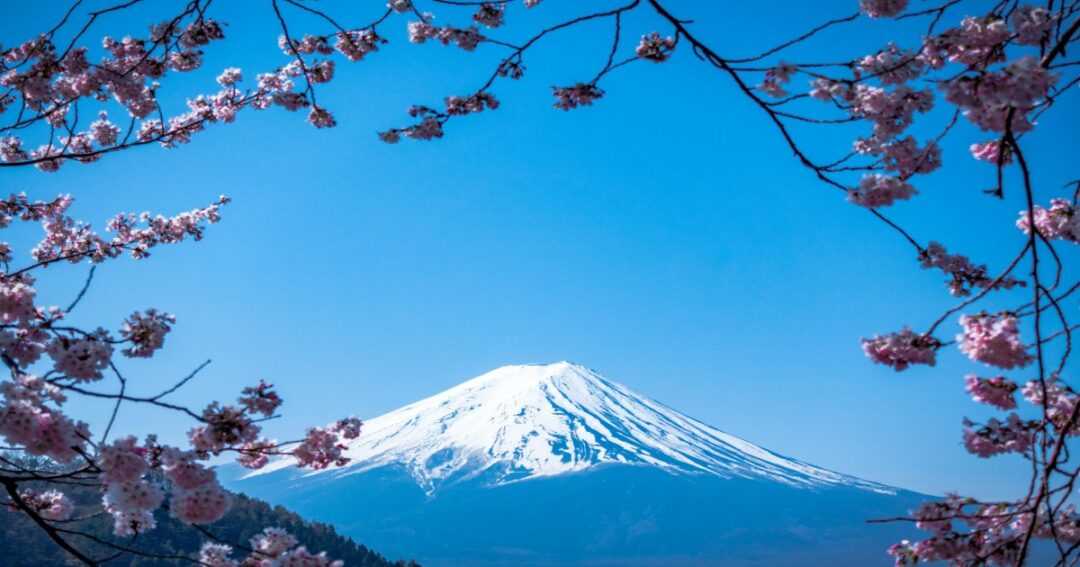
Mount Fuji has also become one of Japan’s biggest overtourism hotspots.
Certain Fuji viewpoints gained global popularity after viral social media posts encouraged massive tourist gatherings at specific photography locations.
Authorities have reported problems such as:
- Dangerous roadside crowding
- Traffic disruptions
- Littering
- Ignoring safety barriers
- Environmental damage
In response, officials installed barriers at one famous Mount Fuji photo location after overcrowding became a serious public safety risk.
Meanwhile, climbing season continues to bring thousands of hikers to Fuji’s trails daily, raising additional concerns about trail congestion, mountain safety, and ecological preservation.
Japan Is Not Trying To Stop Tourism
Despite growing frustration over overtourism, Japan is not attempting to discourage international travel completely.
Tourism remains one of the country’s most important economic sectors. Hotels, restaurants, retailers, transportation services, and local businesses continue benefiting from the tourism surge.
Instead, the government is now focusing on sustainable tourism management.
Officials want to strike a balance between:
- Supporting tourism revenue
- Protecting local communities
- Preserving cultural heritage
- Reducing overcrowding
- Improving visitor behavior
Japan Promotes Lesser-Known Destinations To Reduce Overtourism
To ease pressure on overcrowded hotspots like Tokyo, Kyoto, Osaka, and Mount Fuji, Japan is actively promoting lesser-known destinations across the country.
Authorities hope travellers will begin exploring:
- Rural towns
- Regional cultural sites
- Smaller islands
- Nature-focused destinations
- Underrated prefectures
This strategy could help distribute tourism revenue more evenly while reducing strain on heavily visited cities.
Many tourism experts believe spreading visitors across different regions is one of the most effective long-term solutions to Japan’s overtourism crisis.
The Bigger Question Japan Now Faces
Japan’s tourism debate is no longer only about visitor numbers.
The country is now confronting a deeper question:
How can Japan continue welcoming millions of tourists without damaging the culture, atmosphere, and local experiences that make the country special in the first place?
For many residents, the newly introduced tourist taxes represent more than additional revenue collection. They symbolise an attempt to restore balance between tourism growth and everyday life.
With international demand for travel to Japan continuing to rise, overtourism is expected to remain one of the country’s biggest travel challenges in the coming years.