
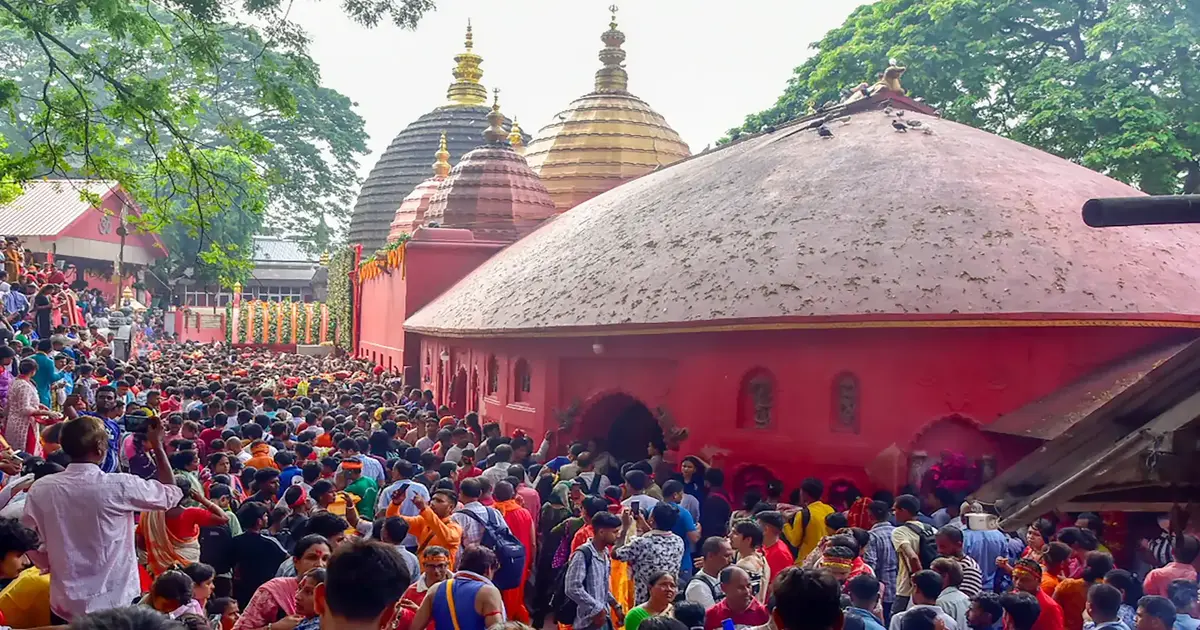

Guwahati, June 2026: For four days, Guwahati witnessed an incredible wave of devotion as nearly eight lakh people made their way to the Kamakhya Temple for the annual Ambubachi Mela. Devotees, saints, tourists, photographers, and curious travellers from across India and abroad came together for one of the country’s most distinctive spiritual festivals, turning the city into a bustling hub of faith and culture.
Days before the temple reopened, the city’s railway station, airport, and bus terminals were already seeing a steady stream of visitors. Hotels were packed, roadside eateries stayed busy from morning till late at night, and shops around the temple saw long queues of people buying flowers, incense, and offerings. Everywhere you looked, there was a sense that something special was about to unfold.
The Ambubachi Mela is unlike any other religious festival in India. It marks the annual menstruation of Goddess Kamakhya, who is worshipped as the embodiment of feminine power and creation. During this time, the temple remains closed for three days. According to tradition, the Goddess is believed to be resting, and no prayers are offered inside the shrine. Once the rituals are completed, the temple doors reopen, and thousands of devotees gather to seek blessings.
Also Read: Japan Visa Fees Set for Major Hike in 2026: What Travelers Need to Know
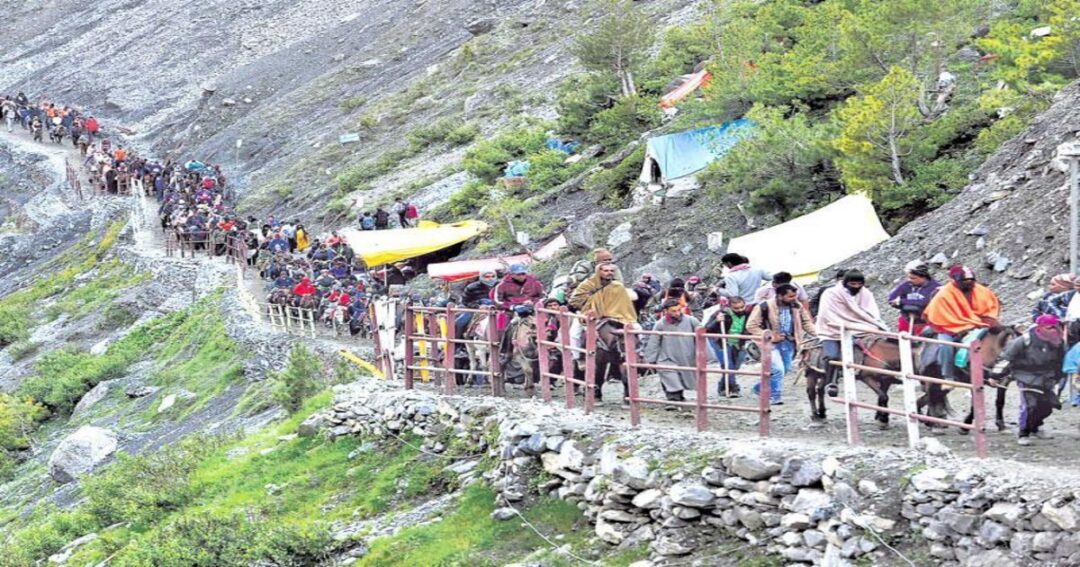
This year, the reopening of the temple drew massive crowds. Many devotees had travelled for more than a day to reach Guwahati. Some arrived with their families, while others made the journey alone as an act of faith. Despite the long waits and crowded pathways, people stood patiently, chanting prayers and waiting for their turn to enter the temple.
The festival is also known for attracting sadhus and Tantric practitioners from across the country. Dressed in saffron robes, ash-covered ascetics, monks, and spiritual seekers could be seen around the temple complex, giving visitors a glimpse into traditions that have been followed for centuries. For many first-time travellers, witnessing this gathering was just as memorable as visiting the temple itself.
While the mela is deeply rooted in faith, it also plays an important role in Assam’s tourism economy. Every year, the festival brings thousands of visitors to Guwahati, creating business opportunities for hotels, restaurants, transport operators, and local shopkeepers. This year’s turnout was no exception.
Small vendors around the temple had one of their busiest weeks of the year. Shops selling Assamese handloom products, bamboo handicrafts, local sweets, tea, and religious souvenirs remained crowded throughout the festival. Street food stalls did brisk business, while taxi drivers and auto-rickshaw operators found themselves making back-to-back trips between the temple, railway station, and different parts of the city.
For many local families, the Ambubachi Mela is more than just a religious occasion—it is a season of livelihood. Several vendors prepare months in advance, knowing that the festival attracts lakhs of visitors in just a few days. The income earned during this period often becomes an important part of their annual earnings.
The Assam government and local administration also worked extensively to ensure the festival was organised smoothly. Extra security personnel were deployed, medical camps were set up, drinking water and sanitation facilities were expanded, and traffic diversions were put in place to manage the huge crowds. Special train and bus services helped pilgrims travel to and from Guwahati with greater ease.
Many visitors chose not to end their trip at the temple. After attending the mela, they explored other attractions in and around Assam, including the Brahmaputra riverfront, Umananda Temple, local markets, and wildlife destinations like Kaziranga National Park. Tourism officials believe such festivals encourage travellers to spend more time in the state, benefiting the wider tourism industry.
As interest in cultural and spiritual travel continues to grow across India, events like the Ambubachi Mela are drawing a new generation of travellers who want to experience traditions that have been preserved for centuries. The festival offers more than a pilgrimage—it offers a chance to witness Assam’s rich heritage, interact with local communities, and experience a side of India that is deeply rooted in faith and culture.
With another successful edition coming to an end, the Ambubachi Mela has once again shown why it remains one of India’s most remarkable religious gatherings. For the lakhs of people who visited Kamakhya this year, it was a journey of devotion. For Assam, it was yet another reminder of the powerful role that culture and spirituality continue to play in attracting visitors from across the world.