

The India Meteorological Department (IMD) has issued heavy rain alerts across several states in India, warning of heavy to extremely heavy rainfall over the coming week as the southwest monsoon intensifies. Travellers planning trips in August are advised to stay updated on the latest weather conditions, as heavy showers may disrupt road, rail, and air travel.
According to the latest IMD forecast, states including Madhya Pradesh, Kerala, Assam, Meghalaya, Bihar, Odisha, Uttarakhand, Uttar Pradesh, West Bengal, Sikkim, Maharashtra, Karnataka, and several parts of Northeast India are expected to receive persistent rainfall accompanied by thunderstorms and strong winds.
Quick Summary
- Weather Update: Heavy to extremely heavy rainfall expected across multiple Indian states.
- Affected States: Madhya Pradesh, Kerala, Assam, Meghalaya, Bihar, Odisha, Uttarakhand, Uttar Pradesh, West Bengal, Sikkim, Maharashtra, Karnataka, and Northeast India.
- Expected Impact: Waterlogging, landslides, traffic congestion, flight and train delays.
- Travel Advisory: Check local weather updates before travelling and avoid unnecessary journeys in alert zones.
Which States Are Under the IMD Heavy Rain Alert?
The IMD has forecast widespread rainfall across central, eastern, southern, northern, and northeastern India.
States Likely to Receive Heavy Rain
- Madhya Pradesh
- Kerala
- Maharashtra
- Karnataka
- Odisha
- Bihar
- Uttar Pradesh
- Uttarakhand
- West Bengal
- Sikkim
- Assam
- Meghalaya
- Other Northeastern states
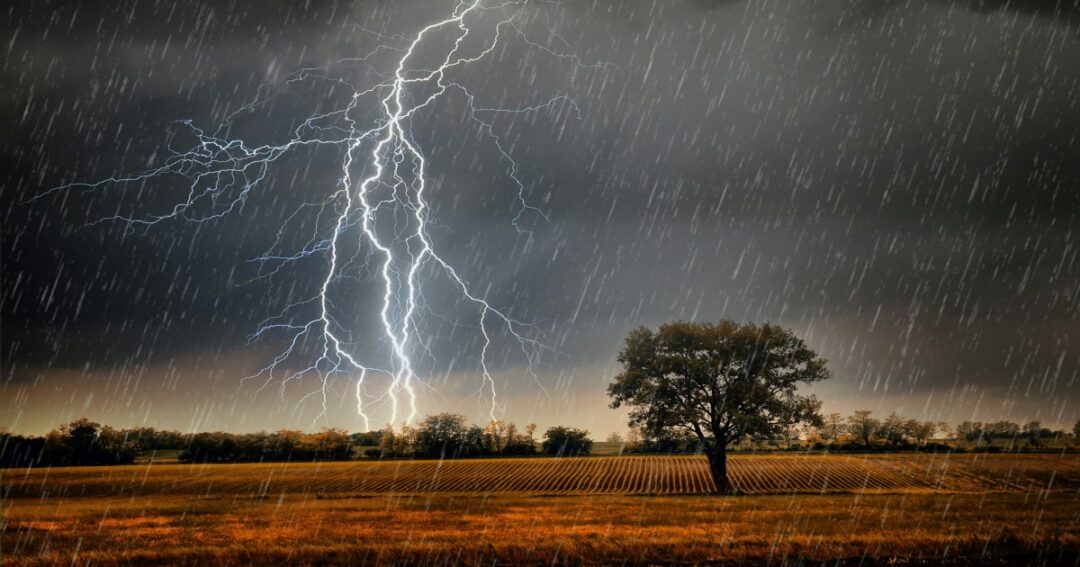
Many of these regions may witness thunderstorms, lightning, gusty winds, and continuous rainfall, increasing the possibility of localized flooding.
How Will Heavy Rain Affect Travel Across India?
August is one of India’s busiest travel months, with families, weekend travellers, pilgrims, and monsoon tourists visiting destinations across the country. Continuous rainfall may impact travel in several ways.
Road Travel
Heavy rainfall may result in:
- Waterlogged roads in major cities
- Traffic congestion
- Reduced visibility while driving
- Temporary road closures
Hill Stations
Travellers visiting mountain destinations should remain extra cautious as:
- Landslides may block roads
- Falling rocks can create hazardous conditions
- Weather may change rapidly
Popular hill destinations in Uttarakhand, Himachal Pradesh, Sikkim, Meghalaya, and Kerala may experience disruptions.
Flight and Train Services
Adverse weather conditions could lead to:
- Flight delays
- Train delays
- Schedule changes
- Longer travel times
Passengers should check the latest travel updates from airlines and railway authorities before leaving for airports or railway stations.
IMD Travel Advisory for Monsoon Travellers
Authorities have advised people travelling during the active monsoon period to remain alert and follow local administration guidelines.
Before You Travel
- Check the latest IMD weather forecast.
- Monitor local advisories.
- Keep buffer time in your itinerary.
- Carry rain gear and waterproof bags.
- Keep emergency contacts accessible.
- Avoid unnecessary travel in areas under severe weather alerts.
Flexibility in travel plans can help avoid inconvenience if weather conditions deteriorate.
Why August Travellers Should Stay Alert?
August is a peak travel season in India due to:
- School holidays
- Long weekends
- Religious pilgrimages
- Monsoon tourism
However, active monsoon conditions increase the chances of:
- Flash floods
- Landslides
- Urban flooding
- Slower transportation
Planning ahead can help ensure a safer and smoother journey.
Benefits of the Active Monsoon
While heavy rainfall may affect travel, it also provides several benefits:
- Improves water reservoir levels
- Supports agricultural activities
- Recharges groundwater
- Reduces heat across many regions
The active monsoon remains essential for India’s farming and water resources despite temporary travel disruptions.
Final Thoughts
The active southwest monsoon is expected to continue bringing heavy rainfall across several parts of India throughout the week. While the showers will benefit agriculture and improve water availability, travellers should exercise caution and remain informed before starting their journey.
Checking weather updates, allowing extra travel time, and staying flexible with travel plans can help minimise disruptions and ensure a safer travel experience during the monsoon season.