


India’s spiritual tourism sector is undergoing a major transformation in 2026, driven by Gen Z, young adults and solo travellers who are increasingly visiting pilgrimage destinations for experiences that combine faith, culture, wellness and exploration.
Fresh 2026 travel data indicates that Gen Z and young travellers accounted for more than 53% of journeys to spiritual destinations in India during FY26. The trend signals a significant change in the country’s pilgrimage travel landscape, which has traditionally been associated with older travellers, families and group journeys.
Today, spiritual travel in India is becoming more independent, digital-first and experience-driven.
India’s Spiritual Tourism Boom Is Being Driven by Young Travellers
Young Indians are increasingly incorporating spiritual destinations into their independent travel plans, rather than viewing pilgrimage solely as a family-oriented activity.
The change is particularly visible across major pilgrimage routes, including:
- Bengaluru–Tirupati
- Hyderabad–Tirupati
- Rishikesh–Delhi
- Pune–Nanded
- Chennai–Thanjavur
- Indore–Ujjain
These routes are attracting significant numbers of younger travellers, highlighting the growing connection between youth travel and pilgrimage tourism in India.
56% of Spiritual Travellers in Karnataka Are Aged 18–30
The trend is even stronger in Karnataka. Travellers aged 18 to 30 accounted for 56% of spiritual travel bookings during FY26, exceeding the national figure of more than 53%.
This indicates that younger Indians are increasingly treating spiritual journeys as part of their broader travel lifestyle.
For many young travellers, a trip to a religious destination can now combine:
- Spiritual experiences
- Heritage exploration
- Local food
- Photography
- Cultural experiences
- Wellness
- Personal reflection
- Adventure and sightseeing
This evolution is helping transform the perception of pilgrimage travel from a traditional religious journey into a broader spiritual and experiential travel experience.
Solo Women Travellers Are Reshaping Spiritual Travel in India
One of the most notable developments in India’s spiritual tourism market is the growing participation of solo women travellers.
During the ongoing Amarnath Yatra, flight bookings by solo women travellers reportedly increased 20% year-on-year, with travellers from cities including Delhi, Mumbai and Bengaluru contributing to the growth.
The increase reflects growing confidence among women in undertaking spiritual journeys independently.
Why Are More Women Choosing Solo Pilgrimage Travel?
The growth of solo female spiritual travel can be linked to several broader travel trends:
- Greater access to online travel information
- Easier digital booking and payments
- Increasing availability of organised travel services
- Greater interest in independent travel
- Growing focus on wellness and personal experiences
- Improved connectivity to major pilgrimage destinations
As a result, the traditional image of pilgrimage tourism as a family or group activity is gradually expanding to include independent women and solo travellers.
Spiritual Tourism Is Shifting From Pilgrimage to Experience-Led Travel
Spiritual tourism in India is no longer limited to visiting a religious site; travellers are increasingly combining spirituality with culture, wellness, heritage and personal transformation.
A 2026 KPMG India report describes the sector’s evolution from traditional, short-duration pilgrimage visits towards a more experience-led spiritual tourism ecosystem.
This transformation is attracting not only religious travellers but also younger audiences, lifestyle travellers and international visitors.
Destinations such as:
- Varanasi
- Ayodhya
- Haridwar
- Rishikesh
- Tirupati
- Ujjain
- Amarnath
are increasingly being explored for more than their religious significance.
Travellers are also interested in their:
- History
- Architecture
- Local cuisine
- Festivals
- Arts and traditions
- Wellness experiences
- Cultural heritage
- Surrounding attractions
This convergence of spirituality and tourism is creating a new category of experience-led pilgrimage travel in India.
Short Spiritual Getaways Are Becoming More Popular
The transformation in spiritual tourism is also visible in accommodation demand.
Recent MakeMyTrip data reported a 19% increase in accommodation bookings across 56 spiritual destinations during FY24–25. According to the data, 34 destinations recorded double-digit growth, while 15 destinations experienced growth of more than 25%.
The trend suggests that travellers are increasingly choosing short spiritual getaways instead of limiting spiritual travel to longer, traditional pilgrimage journeys.
A spiritual trip can increasingly take the form of a weekend or short break.
For example, travellers may visit:
Delhi → Rishikesh → Haridwar
or
Indore → Ujjain
for a short spiritual and cultural getaway.
This flexibility makes spiritual destinations more accessible to younger professionals, students, couples and solo travellers.
Why Are Young Indians Choosing Spiritual Destinations?
The growing popularity of spiritual tourism among young Indians reflects a wider change in travel preferences.
Young travellers increasingly seek destinations that offer multiple experiences within a single trip.
Spiritual destinations can provide a combination of:
Faith + Culture + Heritage + Wellness + Food + Exploration
This makes destinations such as Varanasi, Rishikesh, Ayodhya and Ujjain particularly relevant to younger audiences.
For Gen Z and millennials, spiritual travel can also provide an opportunity to disconnect from everyday routines, spend time in culturally significant locations and pursue personal reflection.
India Leads Asia in Spiritually Motivated Travel
India’s spiritual travel trend also extends beyond domestic pilgrimage bookings.
Reports indicate that 19% of Indian travellers surveyed expected to take a spiritually motivated trip in 2026, the highest proportion among the Asian markets included in the study.
India’s position is supported by its extensive network of:
- Temples
- Pilgrimage circuits
- Monasteries
- Ashrams
- Spiritual centres
- Religious festivals
- Sacred rivers
- Heritage sites
This gives India a unique advantage in combining religious tourism with cultural and experiential travel.
Major religious events and pilgrimage destinations are likely to remain important contributors to India’s domestic and international tourism economy.
Digital Travel Is Changing How Pilgrimages Are Planned
Young spiritual travellers are increasingly using digital platforms to research, book and organise pilgrimage journeys.
Mobile travel apps, online information, digital payments and last-minute booking options are making spiritual travel more flexible than ever.
According to redBus data, nearly 74% of spiritual bus bookings in Karnataka were made within 48 hours of departure.
At the national level, bookings made within four hours of departure increased from 16% in 2022 to 23% in 2026.
These numbers point towards the emergence of a new type of pilgrimage traveller.
The modern spiritual traveller may:
- Discover a destination online.
- Research travel options on a smartphone.
- Book transportation at short notice.
- Travel independently.
- Visit the religious site.
- Explore local attractions and culture.
- Share the experience digitally.
This digital-first behaviour is particularly relevant for younger travellers who are accustomed to planning and booking travel through mobile platforms.
Popular Spiritual Destinations in India for Young Travellers
India offers a wide range of spiritual destinations that appeal to different types of travellers.
Varanasi
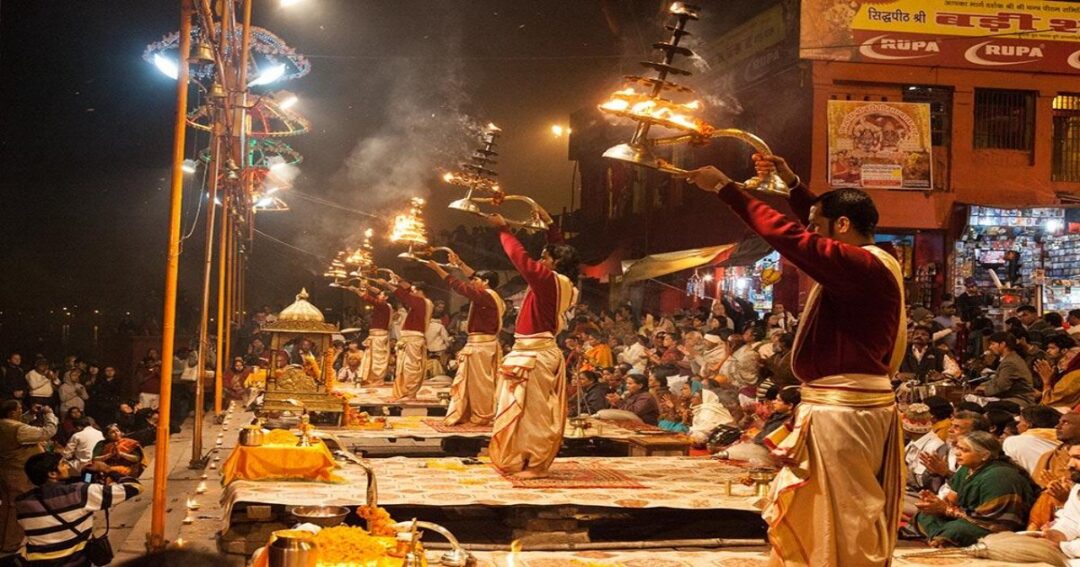
Varanasi combines spirituality, history, architecture, food and culture. The city’s ghats, temples and Ganga Aarti make it one of India’s most distinctive spiritual destinations.
Rishikesh
Rishikesh appeals to travellers looking for a combination of spirituality, yoga, meditation, wellness and adventure.
Ayodhya
Ayodhya has emerged as a major pilgrimage and tourism destination, attracting visitors interested in spirituality, heritage and cultural experiences.
Tirupati
Tirupati remains one of India’s most important pilgrimage destinations and continues to attract travellers from across the country, including younger visitors.
Ujjain
Ujjain combines religious significance with heritage and cultural tourism and is an important destination on India’s spiritual travel circuit.
Haridwar
Haridwar offers a combination of pilgrimage, religious festivals, riverfront experiences and cultural tourism.
Amarnath
The Amarnath Yatra continues to attract pilgrims from across India, while growing participation from independent travellers is adding a new dimension to the pilgrimage experience.
What Does the Future of Spiritual Tourism in India Look Like?
India’s spiritual tourism boom reflects a broader transformation in the country’s travel culture.
For younger Indians, pilgrimage is increasingly about more than reaching a sacred site. It can also involve discovering heritage, experiencing local culture, exploring new destinations, pursuing wellness and finding personal meaning.
The growth of young and solo travellers is therefore helping spiritual tourism evolve into a more diverse and experience-driven segment of India’s travel market.
As travel becomes increasingly digital, accessible and personalised, India’s pilgrimage destinations are entering a new phase where faith, culture, wellness and exploration intersect.
The rise of Gen Z, millennials and solo women travellers could make spiritual tourism one of the most influential segments of India’s domestic travel market in the years ahead.