

A UNESCO monitoring team is expected to visit Hampi, Karnataka, from October 24 to 27, 2026, to review monument conservation, master plan implementation and the impact of tourism and infrastructure development on the UNESCO World Heritage Site. The assessment is expected to examine progress on heritage protection, visitor management and development controls across Hampi and its surrounding historic landscape.
The review comes as authorities continue to address challenges involving encroachments, construction, growing tourist numbers and the preservation of the ancient capital of the Vijayanagara Empire. The findings could help inform future conservation priorities and development planning for one of India’s most significant cultural heritage destinations.
Why Is UNESCO Reviewing Hampi in October 2026?
The proposed UNESCO monitoring visit aims to assess Hampi’s conservation measures and progress on heritage management commitments. Key areas of focus include the implementation of the master plan, infrastructure development, monument preservation and tourism management.
According to reports, the review is scheduled for October 24–27, 2026. The team is expected to assess Hampi and surrounding heritage areas to understand how development activities are affecting the site’s archaeological integrity and historic landscape.
Any new recommendations, deadlines or formal decisions will depend on the assessment and subsequent action by the relevant authorities.
Hampi UNESCO World Heritage Site: History and Significance
Located in Karnataka’s Vijayanagara district, Hampi was once the capital of the Vijayanagara Empire, which flourished across southern India during the medieval period.
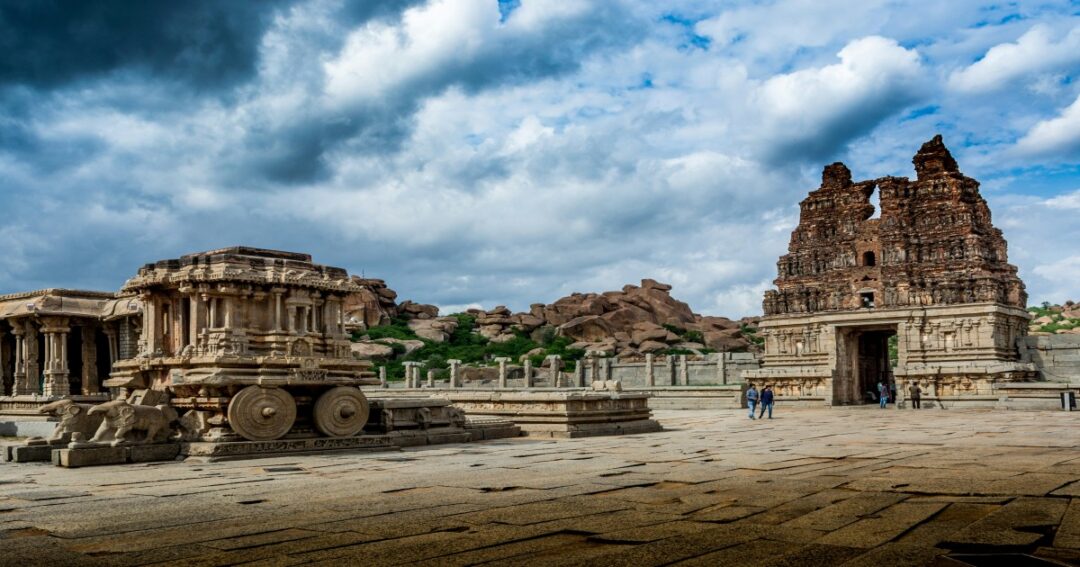
The destination is renowned for its remarkable architecture, ancient temples, royal complexes and distinctive rocky landscape. The Group of Monuments at Hampi was inscribed on the UNESCO World Heritage List in 1986 in recognition of its outstanding historical and architectural significance.
Major features of Hampi’s heritage landscape include:
- Elaborate temple complexes and religious structures
- Royal enclosures and monumental gateways
- Ancient market streets and historic routes
- Architectural remains of the Vijayanagara Empire
- Boulder-strewn terrain and the surrounding cultural landscape
Hampi’s heritage value extends beyond individual monuments to include historic settlements, routes and the broader environment that shaped the ancient capital.
Hampi Master Plan and Heritage Conservation
One of the key issues surrounding Hampi’s conservation is the revision and implementation of its master plan. The plan is intended to guide development within the protected property and its buffer zone while safeguarding archaeological remains and the historic setting.
Effective planning is essential because construction, road infrastructure and tourism facilities can affect not only individual monuments but also the wider heritage landscape.
Why Is the Hampi Master Plan Important?
The master plan helps guide decisions involving:
- Construction and development controls
- Tourism infrastructure and visitor facilities
- Protection of archaeological sites
- Preservation of historic settlements and landscapes
- Coordination between heritage and local authorities
UNESCO’s previous conservation discussions have highlighted the importance of stronger management arrangements, an updated master plan and heritage impact assessments for proposed developments that could affect Hampi.
Heritage impact assessments help identify potential risks to monuments, archaeological remains and the surrounding cultural landscape before development projects proceed.
UNESCO’s Concerns Over Construction and Infrastructure in Hampi
Hampi has faced longstanding conservation challenges involving construction, encroachments and infrastructure development. Managing these pressures requires careful coordination between tourism growth, local economic activity and the protection of archaeological resources.
Since the heritage property’s significance extends beyond individual structures, development in one area can affect the visual character, historical setting and integrity of the wider site.
The monitoring process is expected to provide an opportunity to assess whether existing planning and conservation measures are adequately addressing these concerns.
Virupaksha Temple Conservation and Visitor Management
The Virupaksha Temple and its surrounding historic structures are important parts of Hampi’s cultural and religious landscape. Continued monitoring and carefully planned conservation work are essential to protect these structures from weathering, visitor pressure and changes to the built environment.
Tourism management is another major consideration. Hampi attracts domestic and international visitors interested in its temple architecture, religious heritage and Vijayanagara history.
However, high visitor numbers can create pressure on sensitive archaeological areas, particularly around popular temple precincts.
How Can Tourism Be Managed Sustainably in Hampi?
Sustainable visitor management can help protect Hampi’s monuments while allowing tourism to support local communities.
Important measures include:
- Improving visitor movement and traffic management
- Addressing congestion and parking around popular attractions
- Regulating development near protected monuments
- Promoting responsible visitor behaviour
- Supporting local livelihoods through appropriate tourism opportunities
- Assessing the heritage impact of proposed infrastructure projects
UNESCO has previously emphasised the need for improved visitor and traffic management, including measures to address congestion around Virupaksha Temple.
Can Tourism Development Coexist With Hampi’s Heritage Protection?
Tourism plays an important role in promoting Hampi’s cultural heritage and supporting local economic activity. However, development must be managed carefully to avoid damaging archaeological remains or compromising the historic landscape.
Appropriate homestay opportunities and other sustainable tourism initiatives could help residents benefit economically while encouraging responsible visitation.
A balanced approach requires authorities to consider the needs of local communities alongside conservation priorities, visitor facilities and infrastructure requirements.
The proposed monitoring visit could help identify areas where improvements to tourism planning and heritage protection are needed.
Will UNESCO Change Hampi’s World Heritage Status?
The proposed monitoring visit does not automatically mean that Hampi’s UNESCO World Heritage status will change.
Any formal decision concerning the site’s status would follow UNESCO’s established procedures and require consideration by the relevant bodies. The monitoring exercise is intended to assess conservation progress and management measures rather than automatically change the site’s designation.
The World Heritage Committee has also requested a further state-of-conservation report by December 1, 2027, to provide an update on the implementation of management and conservation measures.
What Could the UNESCO Review Mean for Hampi Tourism?
The October 2026 review could influence future discussions on Hampi’s master plan, infrastructure development, visitor management and monument conservation.
For Karnataka, protecting Hampi’s heritage is essential to maintaining its appeal as a major cultural tourism destination. The site’s long-term value depends on preserving its architecture, archaeological remains and historic landscape while ensuring that tourism supports local communities responsibly.
The assessment could help authorities identify gaps in existing conservation measures and determine priorities for future planning. Any specific new measures or implementation deadlines will depend on the review’s findings and subsequent decisions.