

A Grand Opening in Kisama
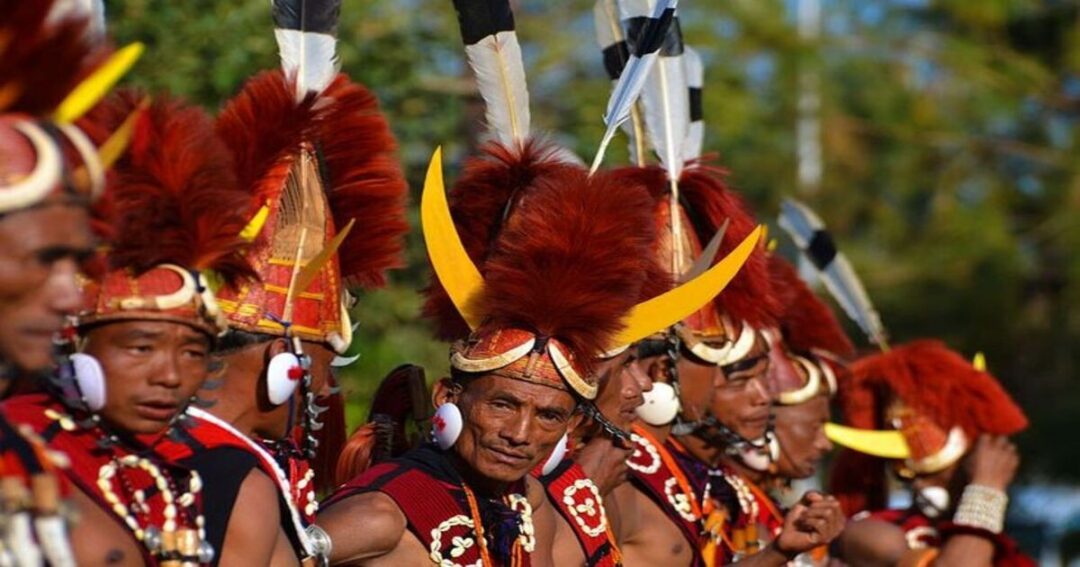
The Hornbill Festival 2025 opened on 1 December at the picturesque Kisama Heritage Village in Nagaland, and among the thousands who gathered on opening day, one presence stood out distinctly — Arunachal Pradesh, this year’s official State Partner. The festival grounds, usually buzzing with colour and movement, felt even more alive with the addition of the state’s performers, artisans, and cultural ambassadors.
A Partnership Shaped by Intention
For Arunachal Pradesh, this partnership isn’t just about being seen. It’s about being understood — by neighbours, tourists, and the larger Northeast community. Officials travelling with the contingent explained that the state wants to use the festival to build longer-term cultural and tourism ties, not just to showcase performances for a week.
“You don’t get many platforms where the entire Northeast gathers in one place,” one member of the delegation said. “We wanted to be here in a meaningful way.”
Where Crowds Slow Down and Linger
Anyone walking through the Arunachal section of the festival will likely pause — not because someone calls them in, but because the displays themselves invite a moment of stillness. Handwoven shawls draped over bamboo frames, wood carvings shaped in remote mountain villages, delicate bead jewellery arranged with quiet care — the space feels personal, almost like stepping briefly into someone’s home.
The cultural troupes have been equally magnetic. Their performances — often slow, rhythmic, and rooted in tradition — contrast beautifully with the more high-energy acts elsewhere. On several evenings, audiences stayed back long after the formal schedule ended, hoping for just one more song or one more story from the visiting performers.
Conversations About Travel, But Grounded in Respect
Tourism officials from Arunachal have been gently but consistently nudging visitors to think differently about travel. They talk about trekking routes where silence is part of the experience, villages where rituals still guide daily life, and forests that don’t need more footfall — they need the right kind of footfall.
“We want people to come,” one official said, “but we want them to come with the right expectations and an open mind.”
At their stall, maps lie beside handmade crafts; brochures sit next to photographs clicked by local youths. It feels less like a sales pitch and more like an invitation.
A Good Festival for Small Sellers
For many small entrepreneurs, the Hornbill Festival can be transformative. Several stall owners from Arunachal say this year feels especially promising. They speak of customers who return the next day with friends, of travellers asking if they can buy products in bulk, and of shop owners from other states requesting contact details for future orders.
One artisan, who travelled for two days by road and another by bus to reach Kisama, said simply, “If people like my work here, it will help my whole village.”
His stall — filled with bamboo baskets, small sculptures, and everyday objects turned beautiful — rarely stays empty for long.
Hornbill Festival 2025: Dates, Venue, Places to visit, and Things to do
Quiet Meetings, Bigger Ideas
Behind the cultural fanfare, officials from Nagaland and Arunachal Pradesh have been meeting to discuss shared tourism routes, cultural exchanges, and ways to bring artisans from both states into more common markets. None of this is publicly announced yet, but those involved say the conversations feel warm, open, and hopeful.
The sense in Kisama is that the partnership may be planting seeds that will grow long after the last drumbeat fades.
Leaving an Impression That Will Stay
As the festival continues, Arunachal Pradesh’s presence has begun to settle into the rhythm of Hornbill — not as a guest, but almost as family. Visitors speak warmly of the hospitality at the pavilions, performers from both states have exchanged handshakes and stories backstage, and artisans say they feel seen in a way they rarely do.
The partnership has woven a human thread through this year’s festival — one that goes beyond culture and commerce. It’s about connection. And for many who’ve walked through the pavilions, watched the performances, or shared conversations with the delegation, that connection is likely to linger long after the festival draws to a close.