

Indonesia Is Cracking Down On Long-Stay Travellers Using Tourist Visas In Bali
For years, Bali became the ultimate dream destination for travellers looking to escape traditional office life.
Digital nomads worked from cafés in Canggu, influencers filmed content beside rice terraces, wellness coaches hosted retreats near Ubud, and freelancers built entire lifestyles around the island’s laid-back culture.
What started as a tropical holiday destination slowly transformed into one of the world’s biggest remote work and creator hubs.
But in 2026, Bali is entering a new phase.
Indonesian authorities are tightening visa enforcement and increasing scrutiny around how foreigners live, work, volunteer, and earn money while staying on the island.
And for influencers, remote workers, volunteers, and long-stay travellers, the message is becoming increasingly clear: tourist visas are no longer being treated casually.
Why Bali Is Tightening Visa Rules In 2026
Over the last few years, Bali has experienced a massive tourism boom.
Alongside traditional tourists came a new wave of digital entrepreneurs, creators, online business owners, wellness instructors, photographers, freelancers, and remote employees from across the world.
Entire neighbourhoods transformed into international hubs filled with co-working cafés, boutique stays, yoga studios, and creator communities.
But the rapid growth also created challenges.
Local authorities started raising concerns about foreigners operating businesses, hosting paid workshops, filming commercial content, or working online while staying on tourist visas.
Officials also faced increasing pressure to protect local employment opportunities, preserve cultural balance, and reduce the negative impact of uncontrolled tourism growth.
For Bali, the issue is no longer just about immigration paperwork. It has become part of a larger effort to protect the island’s identity and future.
Also read: Bali Festivals: Top 10 Celebrations You Must Experience in 2026
Influencers And Content Creators Are Under Greater Scrutiny
Social media has played a major role in making Bali globally famous.
But it has also made immigration enforcement easier.
Many influencers and creators openly share paid collaborations, sponsored stays, commercial shoots, retreat promotions, and monetised content online while staying in Bali on tourist visas.
Authorities have repeatedly reminded visitors that tourist visas are intended for tourism activities — not commercial work or income-generating projects.
While travellers casually posting vacation photos are unlikely to face problems, creators earning through advertising, partnerships, promotions, or sponsored campaigns could increasingly attract attention from immigration officials.
The influencer boom helped Bali attract global visibility and tourism revenue.
But it also blurred the line between tourism and business activity.
Remote Workers In Bali Are Facing New Questions
One of the biggest grey areas has always involved remote work.
Can foreigners legally stay in Bali while working online for overseas companies or clients?
For years, many digital nomads stayed for months by repeatedly extending tourist visas while continuing remote work online.
But as remote work expanded globally, governments began reconsidering visa systems that were originally designed for short-term tourism — not long-term laptop lifestyles.
Indonesia now appears to be tightening its approach.
Authorities are encouraging foreigners to use appropriate long-term visas or business-related permits instead of relying on repeated tourist visa extensions.
Bali may still remain attractive for digital nomads, but the era of loosely enforced rules appears to be changing.
Also read: The 10 Best Waterfalls in Bali for Nature Explorers (2026 Guide)
Bali Is Also Paying Closer Attention To Volunteer Work
Volunteer tourism is another area now receiving increased scrutiny.
For years, travellers frequently joined short-term volunteer experiences in schools, hostels, wellness centres, NGOs, and animal shelters without paying much attention to visa requirements.
But officials are now taking a stricter view.
Even unpaid volunteer work may require specific permissions depending on the organisation and nature of the role.
Authorities argue that some volunteer activities can still impact local jobs or fall outside the definition of regular tourism.
As a result, travellers are being advised to carefully verify visa requirements before joining volunteer programs in Bali.
Bali Wants ‘Quality Tourism’ Instead Of Uncontrolled Growth
Behind the stricter rules is a larger concern about over-tourism.
Traffic congestion, rising living costs, environmental damage, disrespectful tourist behaviour, and unchecked commercialisation have become growing issues across Bali.
Many residents fear the island could lose its cultural identity if tourism continues expanding without stronger regulations.
That is why authorities have increasingly promoted the idea of “quality tourism” — encouraging visitors who respect local culture, follow regulations, and contribute responsibly to local communities.
For many locals, the shift is necessary.
Because while Bali became a global lifestyle destination, it remains home to millions of people whose traditions, communities, and daily lives extend far beyond social media content.
What The New Bali Visa Crackdown Means For Travellers
For short-term holidaymakers, very little may change.
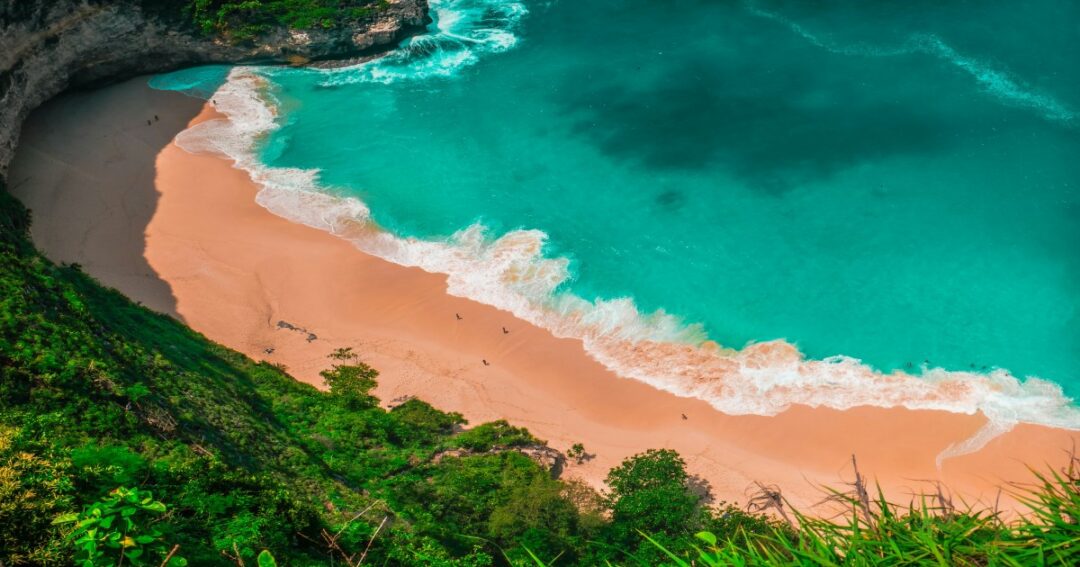
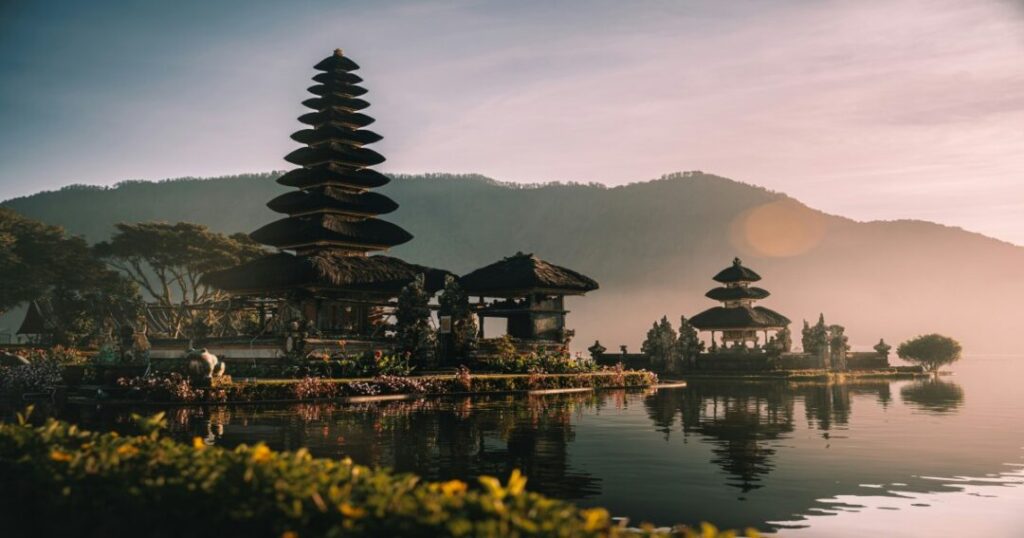
Bali’s beaches, cafés, temples, nightlife, sunsets, and wellness culture continue to attract millions of visitors every year.
But for influencers, remote workers, volunteers, and long-stay travellers, the island is entering a different era.
An era where immigration rules are being enforced more carefully.
An era where visa categories matter more than before.
And an era where living long-term in Bali on repeated tourist visa extensions may become increasingly difficult.
Bali is still welcoming the world.
But in 2026, it is also asking visitors to respect the rules that come with staying there.