

Coastal Karnataka tourism is entering a new phase as the Karnataka government steps up efforts to develop the region as a major tourism destination. With a 320-km coastline, the region is attracting new investments in tourism infrastructure, connectivity, adventure tourism, eco-tourism, heritage and coastal experiences.
The coastal region, comprising Dakshina Kannada, Udupi and Uttara Kannada, is already known for its beaches, temples, seafood, traditional culture and scenic landscapes. The latest tourism push aims to expand its appeal beyond conventional beach tourism and create a more connected and diverse destination.
What Is the Government Planning for Coastal Karnataka Tourism?
The Karnataka government is focusing on new tourism infrastructure, private investment, coastal circuits, adventure tourism and destination development to unlock the potential of Coastal Karnataka.
Under the Brand Karavali initiative, the government is working with industry stakeholders to attract investments and develop tourism projects across the three coastal districts.
The strategy focuses on:
- Developing coastal tourism circuits
- Improving roads and visitor infrastructure
- Attracting private investment
- Promoting eco-tourism and adventure tourism
- Developing heritage destinations
- Improving connectivity
- Creating Special Tourism Zones
- Increasing accommodation capacity
- Involving local communities in tourism development
₹1,260 Crore Investment Roadmap for Coastal Karnataka
One of the major developments in Coastal Karnataka tourism is the investment roadmap announced under the Brand Karavali initiative.
At the Coastal Karnataka Tourism Conclave held in Mangaluru in January 2026, MoUs were signed for 31 tourism projects across Dakshina Kannada, Udupi and Uttara Kannada, representing an estimated investment of ₹1,260 crore.
The government has also stated that since June 2023, approvals have been granted for 45 tourism projects worth more than ₹718 crore. These projects are expected to add more than 1,500 hotel rooms to the region’s accommodation capacity.
The investment push is intended to strengthen tourism infrastructure, generate employment and increase opportunities for local communities and businesses.
Which Places Are Included in Coastal Karnataka Tourism Development?
Coastal Karnataka has several established tourism destinations as well as lesser-known locations that could benefit from better infrastructure and promotion.
Popular destinations include:
- Gokarna
- Udupi
- Malpe
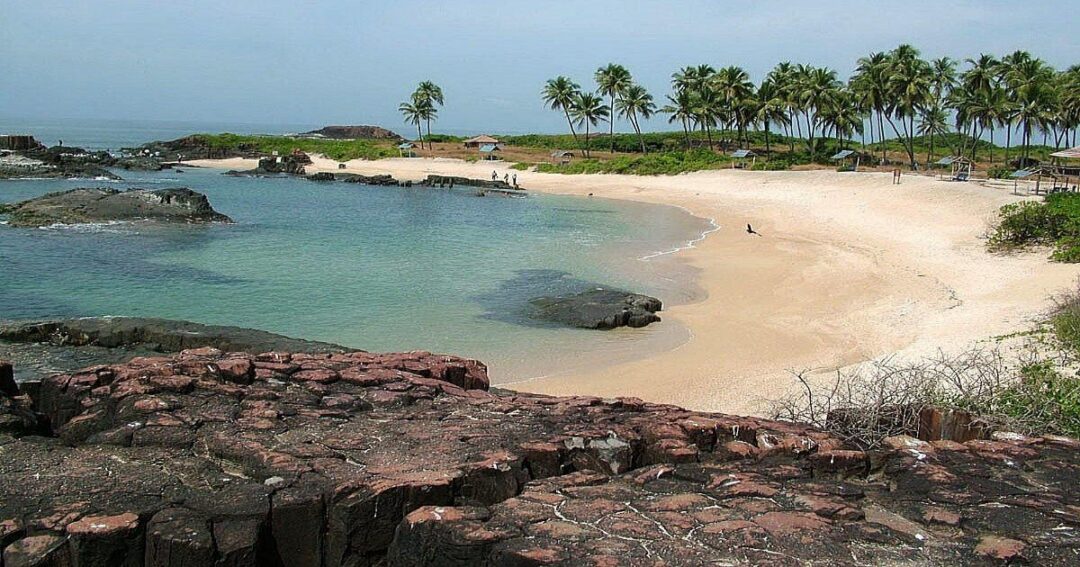
- St. Mary’s Island
- Mangaluru
- Karwar
The tourism development strategy also looks at lesser-known beaches, heritage sites and adventure destinations that can diversify the region’s tourism offering.
Destinations such as Sasihithlu, Nethrani and Dandeli have also been identified for niche tourism experiences as part of the broader tourism strategy.
Beaches, Adventure Tourism and Eco-Tourism
The future of Coastal Karnataka tourism is expected to go beyond traditional sightseeing and beach holidays.
The state’s plans include promoting experiences such as:
- Surfing
- Scuba diving
- Cruises
- Island tourism
- Eco-tourism
- Heritage tourism
- Adventure activities
- Coastal road trips
- Nature experiences
With the Arabian Sea on one side and the Western Ghats nearby, Coastal Karnataka has the geographical diversity to combine beaches, forests, islands, wildlife, culture and adventure in a single tourism circuit.
Five Coastal Karnataka Tourism Projects Being Fast-Tracked
The Karnataka government is also accelerating several tourism projects through public-private partnerships.
Five projects identified for development include:
- Trasi-Maravanthe in Udupi
- Kodi-Kundapur Beach in Udupi
- Barkur Fort in Udupi
- Kodikal in Dakshina Kannada
- Tannirbhavi Beach in Dakshina Kannada
A Programme Management Unit has been appointed to oversee the development initiatives, while a transaction adviser has been designated to support the proposed PPP projects.
These projects could help improve visitor infrastructure while encouraging greater private-sector participation in Coastal Karnataka tourism.
Why Is Infrastructure Important for Coastal Karnataka Tourism?
Infrastructure remains one of the biggest factors that could determine the success of Coastal Karnataka’s tourism expansion.
Some of the key challenges include:
- Road connectivity
- Coastal Regulation Zone (CRZ) regulations
- Land acquisition
- Tourism project approvals
- Basic visitor facilities
- Power supply
- Accommodation
- Sanitation and waste management
The government has been discussing ways to simplify tourism investment procedures and resolve technical and regulatory issues that can delay projects.
Better infrastructure would also help distribute tourist traffic beyond established destinations and encourage visitors to explore lesser-known coastal towns and attractions.
How Will Connectivity Improve Coastal Karnataka Tourism?
Connectivity is a major part of Karnataka’s coastal tourism strategy.
Plans include improving the international connectivity of Mangaluru International Airport and developing a dedicated coastal road corridor.
Better road and air connectivity could make it easier for domestic and international travellers to explore multiple destinations during a single trip.
A connected coastal tourism circuit could eventually link destinations such as Karwar, Gokarna, Udupi, Malpe and Mangaluru, while also providing access to smaller beaches, heritage sites and adventure destinations.
What Is the Mangaluru Cabinet Meeting and Why Is It Important?
The Karnataka Cabinet is scheduled to hold a meeting in Mangaluru on September 18, 2026. It will be the first time the state’s highest decision-making body meets in the coastal city.
Government departments have been asked to identify proposals related to Coastal Karnataka for consideration during the meeting.
One proposal expected to attract attention is the creation of a Malnad Tourism Corporation, which could promote tourism across the coastal and Malnad regions through integrated planning and investment.
Local stakeholders are also seeking decisions on long-standing infrastructure, connectivity and policy issues that could influence future tourism investments.
Tourism Infrastructure Reaches Local Destinations
The tourism push is already translating into smaller infrastructure improvements at individual destinations.
Tourism Minister K.J. George recently announced ₹50 lakh for insulated power cables along the Padubidri Beach road in Udupi. The initiative aims to address frequent power disruptions caused by the corrosive coastal environment.
While such projects may appear relatively small compared with large tourism investments, reliable electricity, roads, sanitation, accommodation and visitor facilities are essential for sustainable destination development.
What Makes Coastal Karnataka Different From Other Beach Destinations?
Coastal Karnataka has the potential to create a tourism identity that goes beyond beaches.
The region combines:
- Arabian Sea beaches
- Western Ghats landscapes
- Ancient temples
- Historic towns
- Islands
- Traditional cuisine
- Festivals
- Fishing communities
- Tulu and Kannada culture
- Adventure activities
- Wildlife and nature experiences
This combination gives Coastal Karnataka an opportunity to develop a distinctive tourism proposition rather than simply replicating other popular beach destinations.
What Can Travellers Expect From Coastal Karnataka Tourism?
As new tourism projects and infrastructure are developed, travellers could eventually experience a more connected coastal circuit covering beaches, heritage sites, islands, temples, food and adventure destinations.
A future Coastal Karnataka itinerary could connect Karwar, Gokarna, Udupi, Malpe and Mangaluru, while also introducing travellers to lesser-known beaches and cultural attractions.
For travellers, this could mean easier connectivity, better accommodation, improved visitor facilities and a wider range of experiences across the coastline.