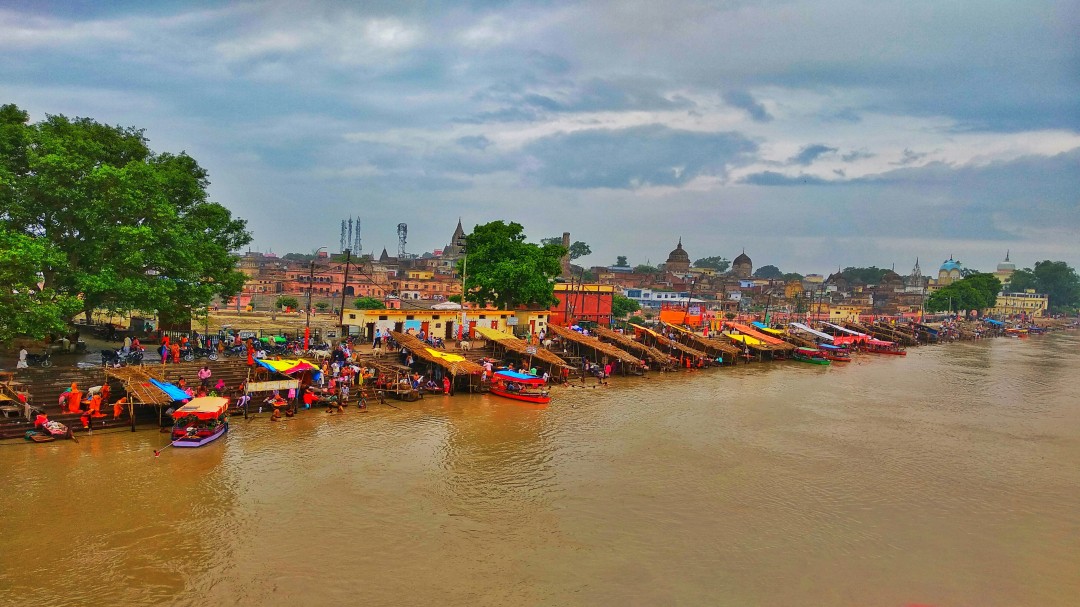

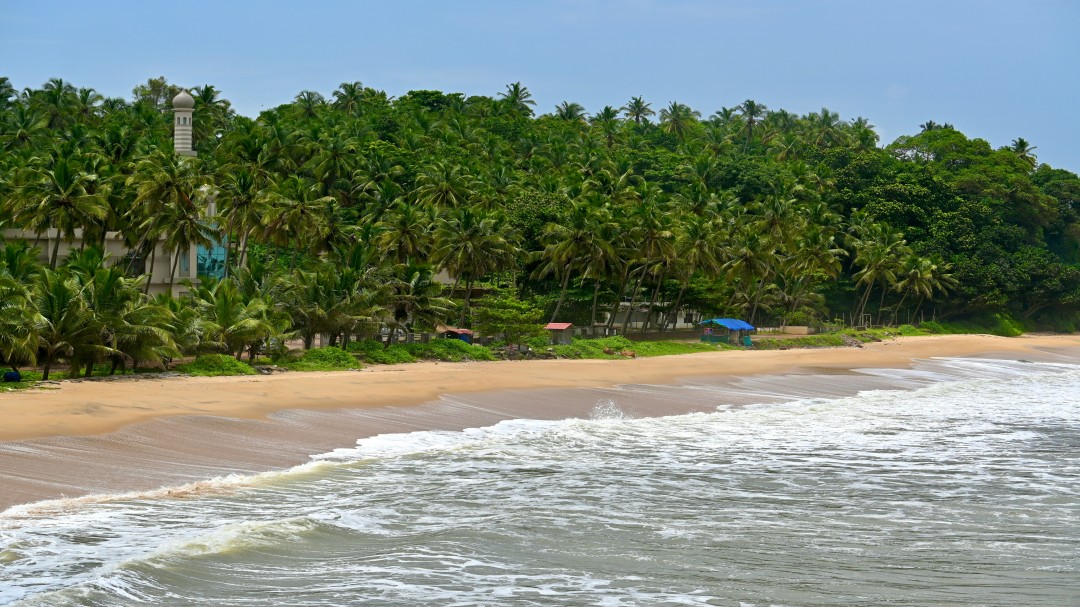

Naroa, North Goa, January 20, 2026: The early morning mist hung over the Mandovi River as workers began clearing the riverbank in Naroa village for a new ghat aarti project. The project, announced by the Goa government last year, aims to turn this quiet riverside into a hub for religious tourism while preserving local traditions.
A Riverfront Comes Alive
Tourism Minister Rohan Khaunte, who visited the site on Monday, said the project was part of Goa’s plan to expand tourism beyond its famous beaches. “Goa is not just about sand and sun. Our rivers, temples, and rituals are an integral part of our culture. This ghat will let people experience that side of Goa,” he said.
For villagers, the ghat is more than a tourist spot. Shri Anil Naik, priest of the Shree Saptakoteshwar Temple, said, “The ghat will give our community a space to perform daily rituals and welcome devotees. It will keep our traditions alive and share them with visitors.”
Construction, Cost, and Timeline
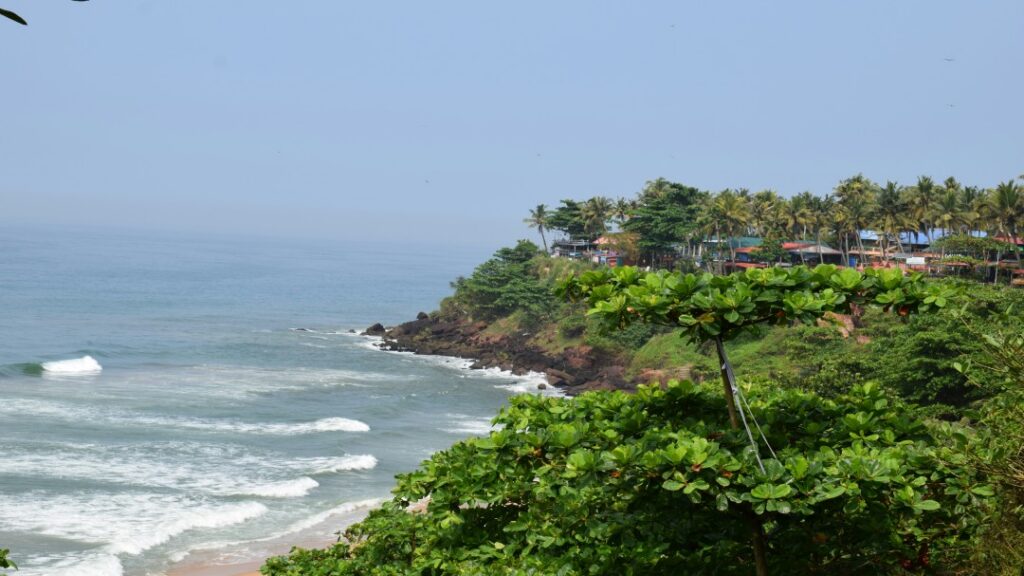
The project has been awarded to M/s IB Construction at a cost of ₹10.85 crore. Construction began on October 1, 2025, and is expected to be completed by May 29, 2026, with a pause during the monsoon months.
The facility will include a riverfront area for daily aarti ceremonies, seating for spectators, and spaces for devotees to participate. Workers are currently laying the foundation and building access paths to the river.
Local Voices and Hopes
Residents say they are excited about the economic opportunities the project will bring. Sunita Naik, a shopkeeper, said, “This ghat will bring more visitors to our village. We sell snacks, handicrafts, and souvenirs. More tourists mean more income for all of us.”
Boatmen like Ramesh Sawant, whose family has ferried pilgrims along the Mandovi for decades, see the ghat as a chance to revive traditional river rituals. “People come for beaches, but they don’t see the real Goa. Now they will,” he said.
Tourism and Heritage
Officials hope the ghat aarti will attract visitors year-round. Unlike seasonal tourism, daily rituals will create consistent demand for local services, benefiting small businesses and supporting the local economy. Experts say initiatives like these help Goa balance leisure tourism with cultural and spiritual experiences.
Looking Ahead
When completed, the Naroa ghat aarti will give visitors a reason to come to Goa for more than beaches. Oil lamps will flicker on the Mandovi at dusk, priests will chant, and the river will carry the sounds of centuries-old traditions.
For the villagers, it is a sign that their culture is valued and that Goa’s rivers can once again be a place where history, faith, and daily life meet.