
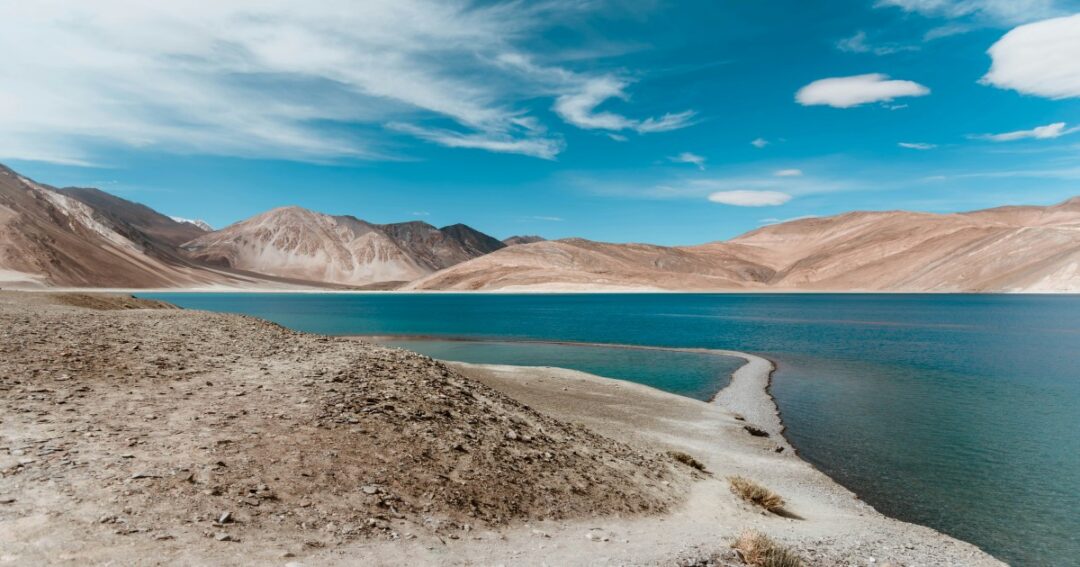

Ladakh is witnessing a new shift toward sustainable development, even in its most extreme landscapes. Known for its rugged terrain and harsh climate, the region is now experimenting with innovative ways to introduce greenery without disturbing its fragile ecosystem. The newly launched Cold Desert Forestry and Food Forest Initiative reflects this evolving approach—focusing not just on planting trees, but on creating long-lasting ecological balance.
A New Green Initiative in the Cold Desert of Drass
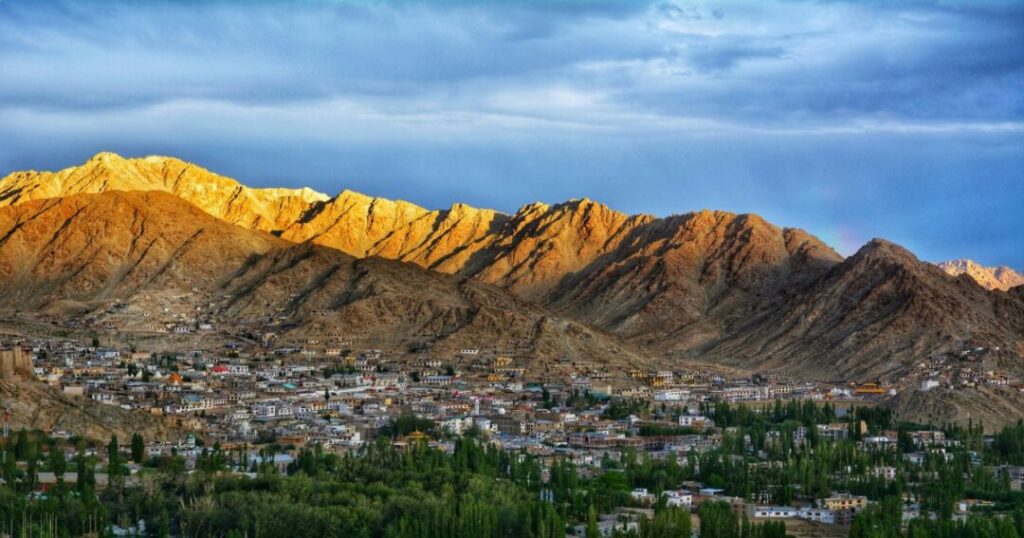
In a region where temperatures often drop far below freezing and vegetation is scarce, Ladakh has taken a significant step toward sustainable development. The administration has launched a Cold Desert Urban Forestry and Food Forest Initiative in Drass—an area better known for its extreme climate than greenery.
The project was inaugurated by Lieutenant Governor Vinai Kumar Saxena at Khandiyal, marking a shift from symbolic plantation drives to long-term ecological planning.
Rethinking Green Cover in Ladakh
Planting trees in Ladakh is not straightforward. The harsh climate, limited water resources, and short growing season make conventional afforestation nearly impossible.
This is where the concept of a food forest becomes important. Instead of just planting trees, the initiative focuses on creating a self-sustaining ecosystem using a mix of:
- Hardy trees like willow and poplar
- Fruit-bearing trees such as apricot
- Native and climate-resilient species
The idea is simple yet practical: if greenery is introduced, it should also provide value—whether through food, shade, or ecological balance.
Pilot Project: Small Start, Big Vision
Currently, the project spans around one hectare. While that may seem small, it is significant in a region where green cover is estimated to be less than 1%.
Officials aim to:
- Test survival rates of plants
- Study ecosystem adaptability
- Build a scalable forestry model
If successful, this initiative could expand to other areas like Kargil and Leh, transforming how afforestation is approached in cold deserts.
Why This Initiative Matters Now
Ladakh’s environment is increasingly under stress due to:
- Climate change
- Accelerated glacial melting
- Rising human activity
This initiative could play a key role in:
- Improving soil quality
- Preventing soil erosion
- Creating micro-climates
- Supporting biodiversity
Even small ecological changes can have long-term environmental impact in such fragile regions.
Role of Local Communities
A critical aspect of the project is community involvement. Unlike one-time plantation drives, this initiative encourages local participation in:
- Plantation
- Maintenance
- Long-term sustainability
When communities benefit—through food, shade, or land stability—they are more likely to protect and sustain these green patches.
Challenges and Concerns
While promising, the initiative also raises important questions:
- Can it sustain in a water-scarce region?
- Will it affect native vegetation?
- Could it disrupt traditional grazing routes?
These concerns highlight the need for careful monitoring and adaptive planning.
A Quiet but Important Experiment
The Cold Desert Forestry and Food Forest Initiative in Drass is not about instant transformation. Instead, it represents a thoughtful, long-term experiment in sustainable development.
If successful, it could redefine afforestation strategies in extreme climates. Even if challenges arise, the learnings will be valuable for future environmental planning.