
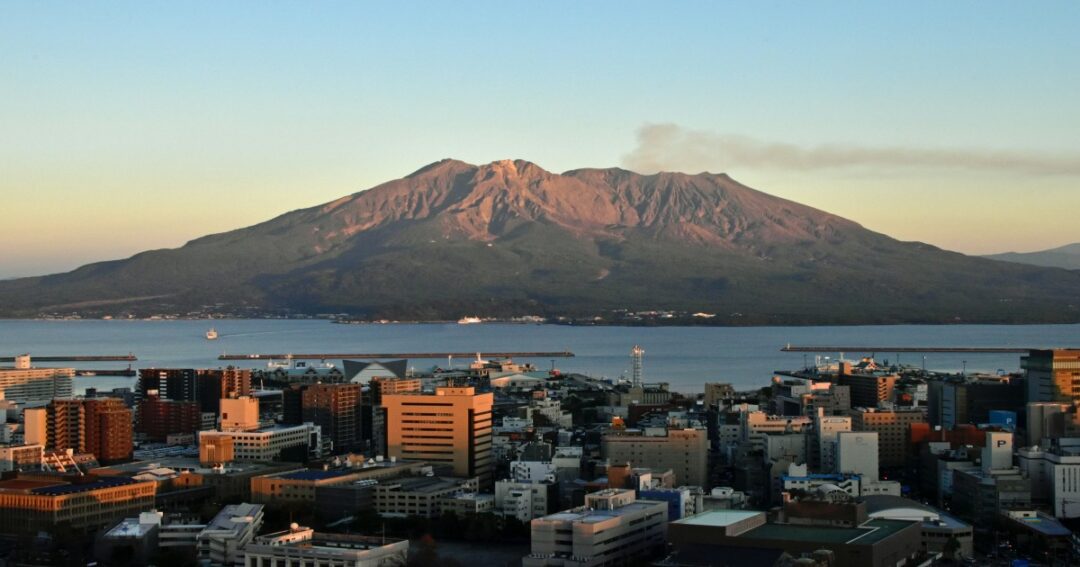

A recent Sakurajima eruption has caused significant travel disruptions across Kagoshima Prefecture, affecting flights, transportation services, and tourism activities. The eruption sent a large plume of volcanic ash into the atmosphere, prompting authorities to issue safety advisories and monitor conditions closely.
Located near Kagoshima City on Japan’s southern island of Kyushu, Sakurajima volcano is one of the country’s most active volcanic landmarks and a major tourist attraction. While the eruption has created temporary challenges for travelers, much of the region remains accessible and open for tourism.
What Happened During the Latest Sakurajima Eruption?
The latest eruption produced a substantial ash plume that spread across nearby communities. Ashfall was reported in several areas around Kagoshima, reducing visibility and covering roads, buildings, and vehicles with volcanic dust.
Local authorities immediately activated monitoring and safety measures, advising residents and visitors to stay alert and avoid restricted zones near the volcano.
Key Impacts of the Eruption
- Large volcanic ash cloud over the region
- Ashfall affecting nearby towns and transportation routes
- Reduced visibility in some areas
- Temporary restrictions around volcanic observation zones
- Increased monitoring by local emergency authorities
How Has the Sakurajima Eruption Affected Travel in Kagoshima?
The eruption has impacted multiple aspects of travel throughout Kagoshima and surrounding areas.
Flight Delays and Airport Operations
Volcanic ash can pose risks to aircraft engines and flight operations. Airlines serving Kagoshima have been monitoring ash cloud movements and adjusting schedules when necessary.
Travelers are advised to:
- Check flight status before departing for the airport
- Allow extra travel time
- Monitor airline notifications for schedule changes
- Stay updated on weather and volcanic activity reports
Transportation Disruptions
Ashfall has affected local roads and visibility in certain locations, leading transportation providers to implement precautionary measures.
Possible disruptions include:
- Delays in local bus services
- Slower road travel due to ash accumulation
- Temporary route adjustments near affected zones
- Increased cleaning and maintenance operations
Impact on Tourism and Visitor Activities
The Sakurajima volcano is one of Kyushu’s most visited natural attractions. The eruption has resulted in temporary changes for tourism operators and sightseeing experiences.
Tourist Attractions Affected
Several locations close to the volcano have introduced temporary access restrictions as a safety precaution.
Affected activities may include:
- Volcano sightseeing tours
- Observation deck visits
- Outdoor recreational activities near the crater
- Guided excursions in restricted areas
However, many attractions across Kagoshima continue operating normally.
Is It Safe to Visit Kagoshima After the Sakurajima Eruption?
Yes, much of Kagoshima remains open and safe for visitors. Japanese authorities maintain comprehensive volcanic monitoring systems and regularly provide updates regarding risk levels and restricted zones.
Travelers should:
- Follow official advisories
- Respect restricted areas
- Carry face masks if ashfall is expected
- Remain flexible with travel itineraries
- Monitor local transportation updates
Why Is Sakurajima Volcano So Famous?
Quick Facts About Sakurajima
| Fact | Details |
|---|---|
| Location | Kagoshima Prefecture, Kyushu, Japan |
| Type | Active Stratovolcano |
| Status | One of Japan’s Most Active Volcanoes |
| Nearby City | Kagoshima City |
| Major Attraction | Scenic Views, Hot Springs, Volcano Tourism |
Sakurajima attracts thousands of domestic and international visitors annually due to its dramatic volcanic landscape, observation points, hiking opportunities, and hot spring experiences.
How Local Communities Adapt to Volcanic Activity
For residents of Kagoshima, volcanic activity is part of everyday life. Communities have developed extensive preparedness systems to manage periodic eruptions and ashfall events.
Local adaptations include:
- Regular ash-cleaning operations
- Emergency response planning
- Public alert systems
- Infrastructure designed to handle volcanic conditions
- Ongoing volcanic monitoring programs
This preparedness helps minimize disruption and maintain public safety during periods of increased volcanic activity.
Travel Tips for Visitors Planning a Trip to Kagoshima
If you’re planning to visit Kagoshima during periods of volcanic activity, consider the following recommendations:
Before You Travel
- Check official volcanic activity updates
- Confirm flight schedules with airlines
- Review local transportation information
- Purchase travel insurance covering disruptions
During Your Visit
- Follow guidance from local authorities
- Wear eye protection and masks during ashfall
- Avoid restricted volcanic zones
- Keep alternative sightseeing plans available
Conclusion
The recent Sakurajima eruption has temporarily disrupted travel and tourism across Kagoshima, affecting flights, transportation services, and some visitor attractions. Despite these challenges, the majority of the region remains open and accessible.
As one of Japan’s most iconic natural landmarks, Sakurajima volcano continues to captivate travelers from around the world. By staying informed and following local guidance, visitors can safely experience the unique landscapes and cultural attractions that make Kagoshima a popular destination in Japan.