

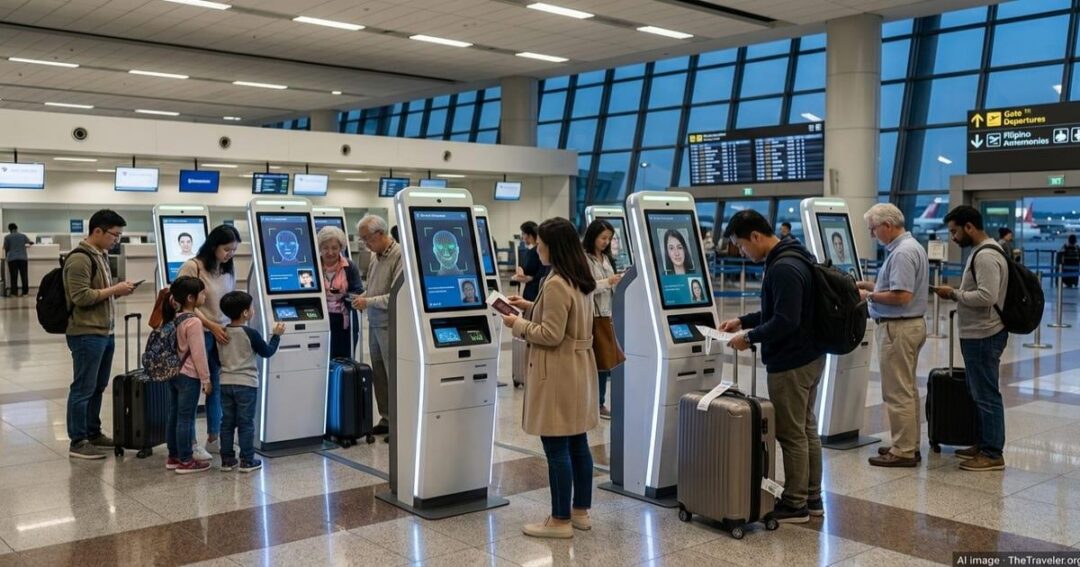

Airports around the world are increasingly turning to artificial intelligence (AI), facial recognition and biometric technology to make air travel faster, smarter and more efficient. From contactless passenger verification to automated security checks and intelligent baggage systems, technology is reshaping airport operations and the way travellers move through terminals.
The shift comes as rising passenger numbers put pressure on airport infrastructure, encouraging aviation authorities and operators to adopt digital solutions that can reduce waiting times, improve operational efficiency and enhance the overall passenger experience.
India is also stepping up its efforts in this direction through Digi Yatra, its facial-recognition-based passenger processing initiative. In a significant development, international passenger trials began on November 1, 2026, at seven airports — Delhi, Mumbai, Bengaluru, Hyderabad, Chennai, Kochi and Amritsar. The trials are aimed at extending biometric-enabled, contactless processing to selected international departures, marking an important step in India’s digital aviation journey.
Digi Yatra allows registered passengers to use facial recognition at designated airport checkpoints, reducing the need for repeated physical identity verification. The initiative is expected to make passenger movement more seamless while maintaining existing security and travel requirements.
Globally, airports are also exploring AI-powered systems to improve several aspects of their operations. These include intelligent passenger-flow management, automated baggage handling, predictive maintenance, smart security screening and digital assistance services. Such systems can help airport operators identify congestion, manage resources more effectively and respond to operational challenges.
Biometric technology is emerging as another major component of this transformation. Facial recognition and digital identity solutions are being explored to simplify check-in, security verification and boarding procedures. The International Air Transport Association (IATA) is also working towards digital travel credentials that could allow passengers to verify their identities through secure digital systems across different stages of their journeys.
However, the growing use of biometric technology has also brought privacy and data security into focus. Aviation authorities and technology providers will need to ensure transparent consent procedures, secure handling of personal information, and accessible alternatives for passengers who prefer conventional verification methods.
As airports continue investing in AI and digital infrastructure, the focus is shifting beyond faster check-ins and shorter queues. The larger goal is to create connected airport ecosystems where technology supports passengers and airport operations at every stage of the journey.
With India expanding its digital aviation initiatives and international airports embracing automation, smart airports are steadily becoming an important part of the future of global travel.