

Putrajaya’s lakefront had an unusual energy this weekend. Long before the performances began, families were already gathering along the walkways, children tugging at lanterns, vendors warming up their woks, and volunteers rushing between tents. By the time the Spring Festival Gala started, the whole precinct felt like a city-wide reunion — lively, loud, and unmistakably festive.
The gala itself was a colourful mix: Chinese classical musicians sharing the stage with Malaysian dancers, dragon troupes weaving through crowds, and storytellers switching easily between Mandarin, Bahasa Malaysia, and a bit of English. It was familiar to some, new to others, but the mood was universal — celebratory, open, and warm.
A Crowd That Stayed Long After the Show
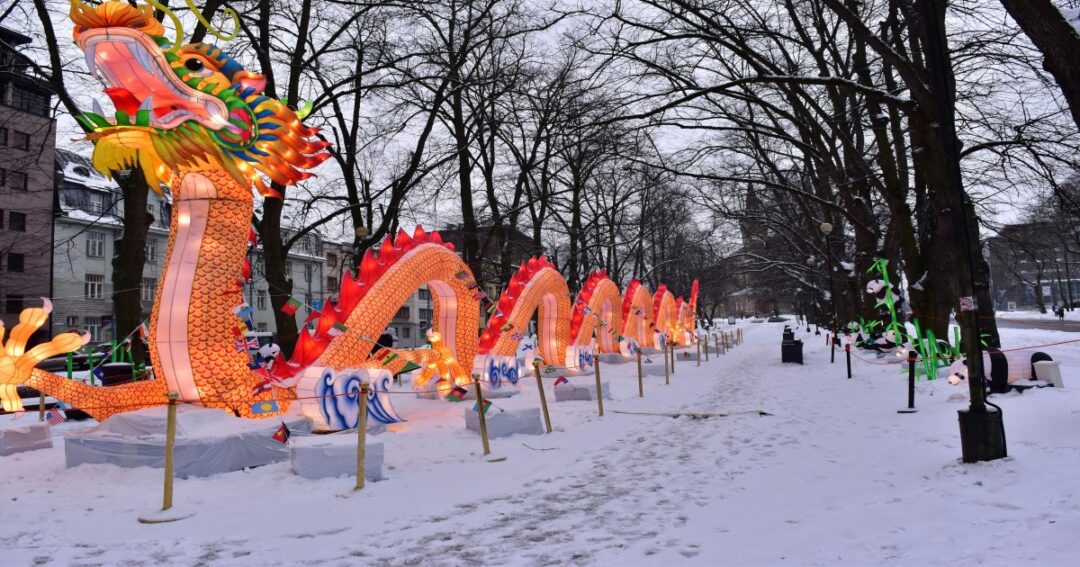
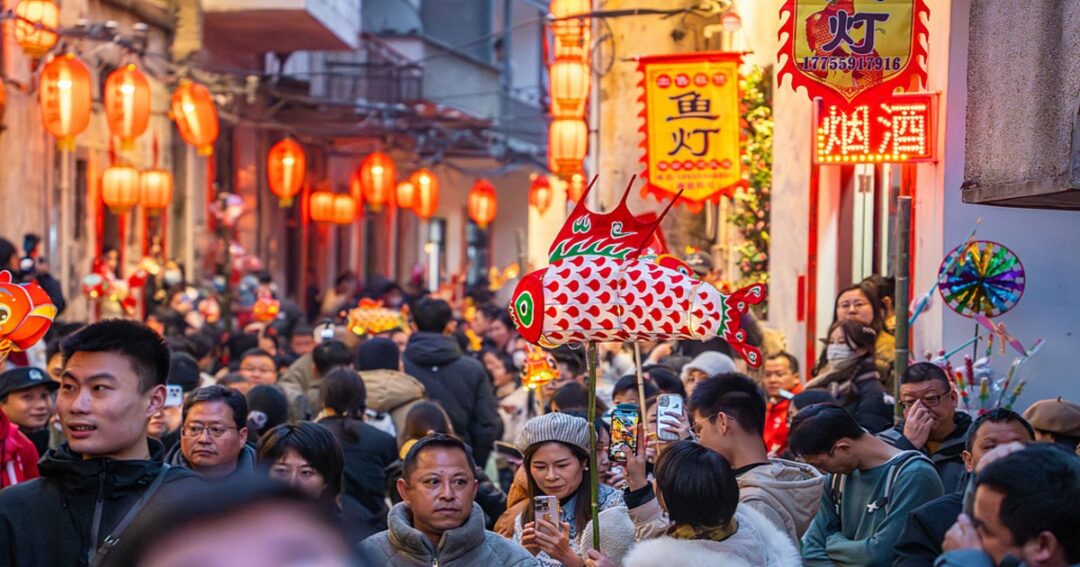
What stood out wasn’t just the programme but the crowd’s response. People stayed long after the final performance. Parents lined up for food stalls serving Chinese-Malaysian snacks; teenagers clustered around lantern displays for photos; older visitors lingered near the lake, chatting as fireworks flickered overhead.
For many, the evening felt like a reminder of how public festivals once shaped community life — before the years of quieter celebrations.
Tourism Interest Growing Quietly in the Background

Tourism officials, who had been observing the event closely, noted the turnout and the weekend rush in nearby hotels. They weren’t surprised. Cultural festivals have slowly started to influence travel decisions across the region, especially as flight routes between China and Southeast Asia expand again.
While the gala wasn’t framed as a tourism push, the ripple effect was clear: Putrajaya’s restaurants, craft markets, and waterfront shops saw one of their busiest nights of the season.
A Timely Moment for China–Malaysia Relations
The event arrived in a year when China and Malaysia mark more than five decades of diplomatic ties — a relationship built as much on shared history as on modern cooperation.
The gala did not feel political, but it didn’t need to. In many ways, the simple act of celebrating a festival together says more about cultural connection than formal statements ever do.
Small Businesses Felt the Buzz Too
Stalls selling calligraphy, paper art, and traditional snacks ran out of stock earlier than expected. A few local performers said it was the biggest audience they had seen in Putrajaya in months. Even boat operators on the lake reported unusually high demand as people waited for a better view of the fireworks.
A Festival That Hints at What’s Possible
By the end of the night, as families made their way back to the parking lots and vendors packed up their booths, there was an unmistakable sense that the gala had done more than mark the New Year.
It showed how cultural festivals — when opened to the public in a big, generous way — can become meeting points for communities, attract travellers, and quietly strengthen ties between nations.
If Putrajaya continues hosting the Spring Festival at this scale, it may soon find itself on the regional map as one of the most vibrant places to celebrate the Lunar New Year in Southeast Asia.