

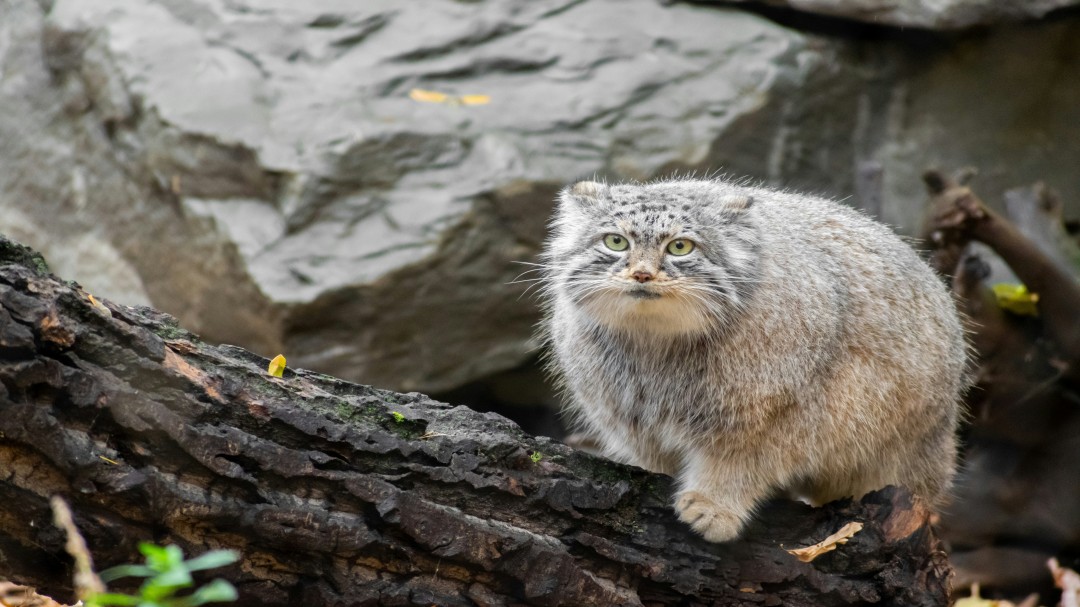

A Ghost of the High Himalayas
High in Ladakh’s cold desert, where silence stretches across vast rocky plains, lives one of the region’s most elusive animals—the Pallas’s cat. With its thick fur, flat face and wide, watchful eyes, the small wild feline is perfectly adapted to extreme cold and thin air. Rarely seen and even less understood, the species has survived here for generations by keeping to itself.
That isolation, however, is no longer enough to keep it safe.
An Unnatural Threat Moves In
Wildlife experts say the Pallas’s cat is now facing a growing danger from feral dogs roaming far beyond villages and roads. These dogs, often moving in packs, are venturing deep into wildlife habitats where they were never meant to be.
Unlike native predators, feral dogs hunt relentlessly. Pallas’s cats, which depend on camouflage and rocky cover rather than speed, are especially vulnerable to such attacks.
Fatal Encounters Raise Alarm
In recent years, confirmed cases of Pallas’s cats being killed by feral dogs have deeply worried conservationists. For a species that already exists in very low numbers, even a single death can have serious consequences.
“Every individual lost matters,” researchers say, pointing out that the cat’s slow reproduction rate makes recovery difficult once numbers decline.
How Human Activity Fuels the Problem
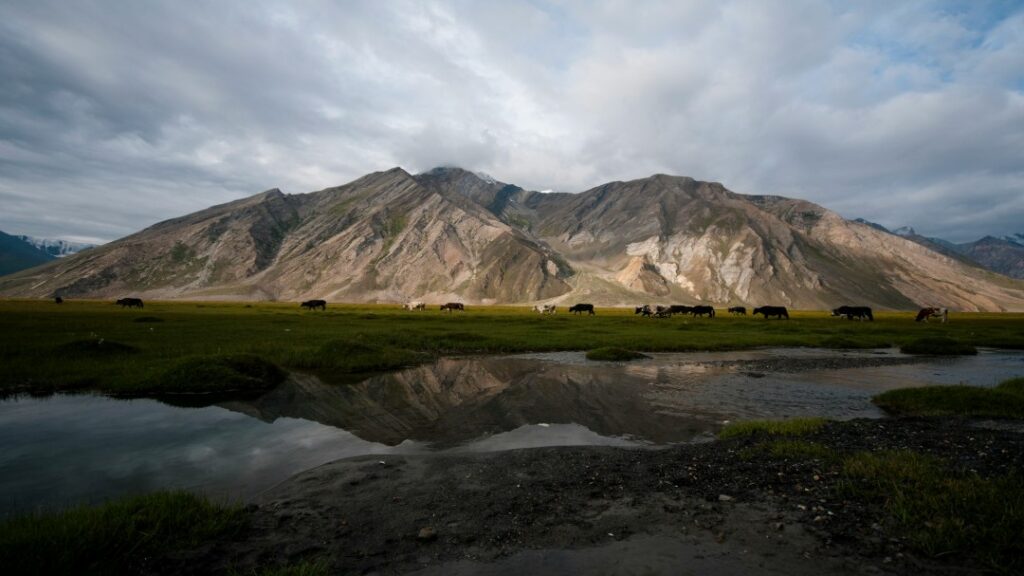
The rise of feral dogs in Ladakh is closely linked to human presence. Poor waste management around settlements, tourist areas and army camps provides easy food, allowing dog populations to grow unchecked.
Once sustained, these dogs spread into the wild—bringing with them predation, competition and the risk of disease for native animals.
More Than One Species at Risk
The threat extends well beyond the Pallas’s cat. Other wildlife, including the Eurasian lynx, Tibetan gazelle, ibex, blue sheep, and black-necked cranes, are also under pressure. Ground-nesting birds are especially vulnerable, as dogs can easily raid nests and disturb breeding areas.
In Ladakh’s fragile ecosystem, where resources are scarce, such disruptions can quickly upset the natural balance.
Calls for Urgent, Humane Action
Conservationists are urging authorities to act before the damage becomes irreversible. Suggested measures include large-scale sterilisation of dogs, stricter waste control, and removing feral dogs from core wildlife zones, while ensuring humane treatment.
Experts stress that the issue is not about blaming animals, but about correcting human-made problems that are now threatening rare Himalayan species.
A Silent Fight for Survival
The Pallas’s cat has always survived by staying hidden, blending into Ladakh’s rocks and shadows. But as human footprints grow larger and their consequences spread farther, even the most secretive animals are being forced into the open.
Whether Ladakh can protect one of its most mysterious residents may well depend on how quickly—and how seriously—it addresses this quiet but escalating crisis.