

Japan has long been a dream destination, welcoming travelers with open arms. But after years of record-breaking visitor numbers, the country is now urging tourists to explore more responsibly.
Popular destinations like Kyoto are feeling the pressure, as once-quiet streets are now overwhelmed with crowds. In response, Japan is introducing new measures to manage overtourism while preserving its cultural heritage.
Kyoto Introduces New Hotel Tax System from 2026
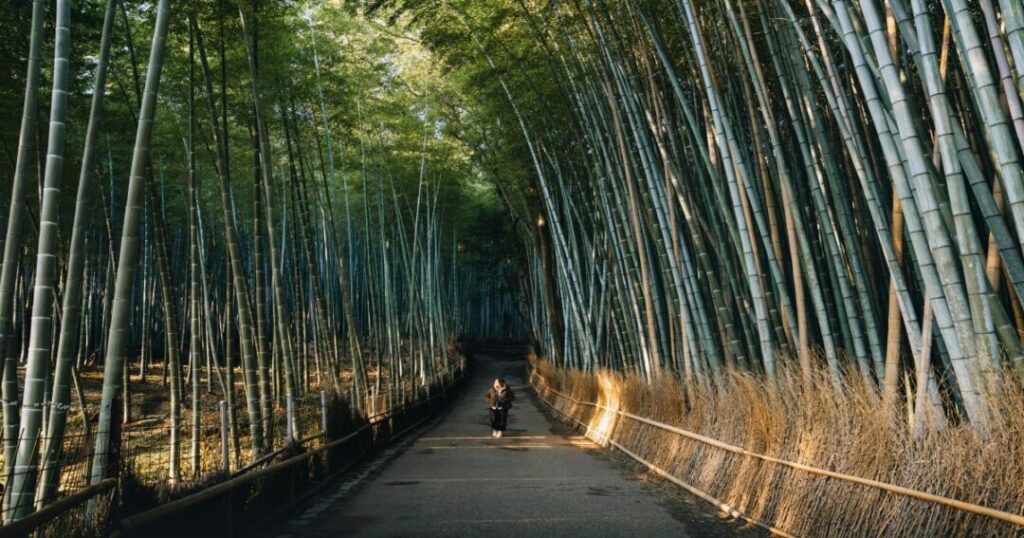
In a major move to control tourist impact, Kyoto has announced a significant increase in accommodation taxes starting in 2026.
Key Highlights of Kyoto’s Hotel Tax Hike
- A tiered tax system based on accommodation price
- Luxury stays may incur up to ¥10,000 per person per night
- Budget travelers will continue to pay lower taxes
This change reflects a “pay more, contribute more” approach—aimed at sustainable tourism.
Overtourism in Japan: A Growing Concern
The issue goes beyond Kyoto and is now visible across the country.
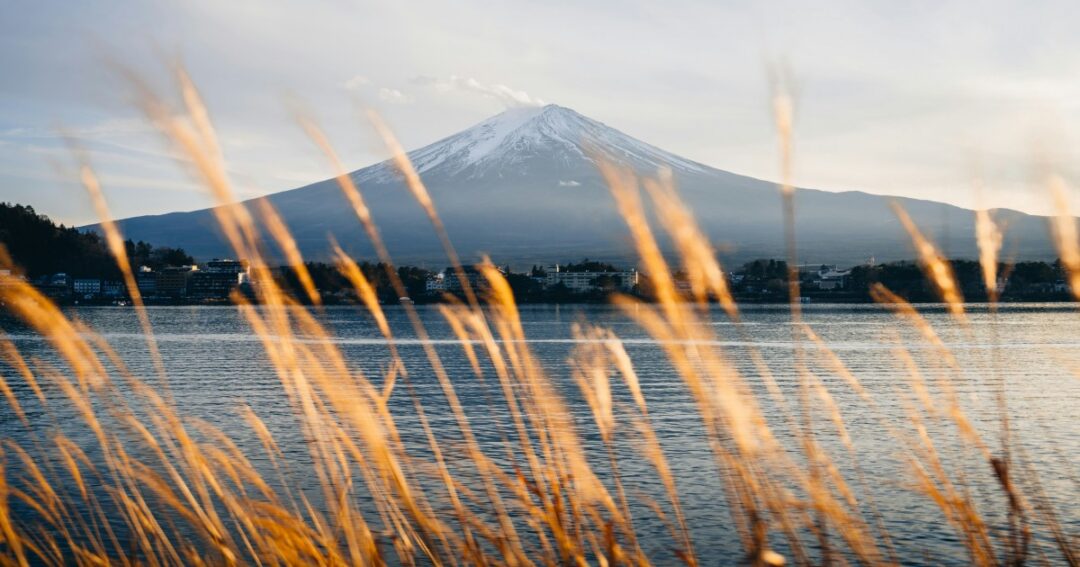
From the bustling streets of Tokyo to the scenic trails of Mount Fuji, overtourism is creating multiple challenges.
Impact of Mass Tourism
- Overcrowded public spaces
- Increased waste and environmental pressure
- Disruption of local communities
- Loss of cultural authenticity
Japan’s tourism strategy is now shifting toward quality over quantity.
New Tourism Policies: What’s Changing?
Japan is not shutting its doors—it’s redefining how tourism works.
Expected Changes
- Higher departure taxes
- Expansion of tourism-related charges
- Policies encouraging longer stays
These steps aim to attract responsible travelers who:
- Explore beyond popular hotspots
- Respect local traditions
- Contribute positively to the economy
What This Means for Travelers
If you’re planning a trip to Japan, here’s what to expect:
Key Takeaways
- Travel costs may increase, especially in major cities
- Less overcrowding at iconic locations
- More authentic and immersive experiences
The Bigger Picture: Preserving Japan’s Soul
At its core, this shift is not about making Japan expensive—it’s about protecting its identity.
The country is working to preserve:
- Ancient temples
- Traditional tea houses
- Peaceful cultural spaces
By managing tourism better, Japan ensures that its beauty and heritage remain intact for generations to come.