
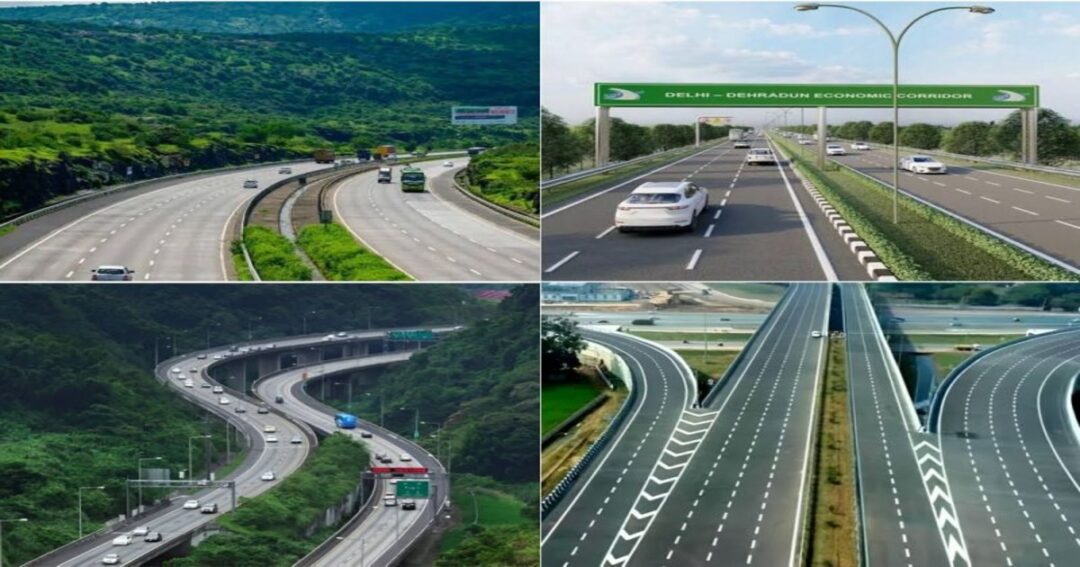

The much-awaited Delhi–Dehradun Expressway has finally opened to the public on April 14, 2026, transforming the way people travel between Delhi and Dehradun.
After years of delays and construction, the expressway is not just another infrastructure project—it’s a complete shift in travel experience across North India.
From 6 Hours to 2.5 Hours: A Massive Time Reduction
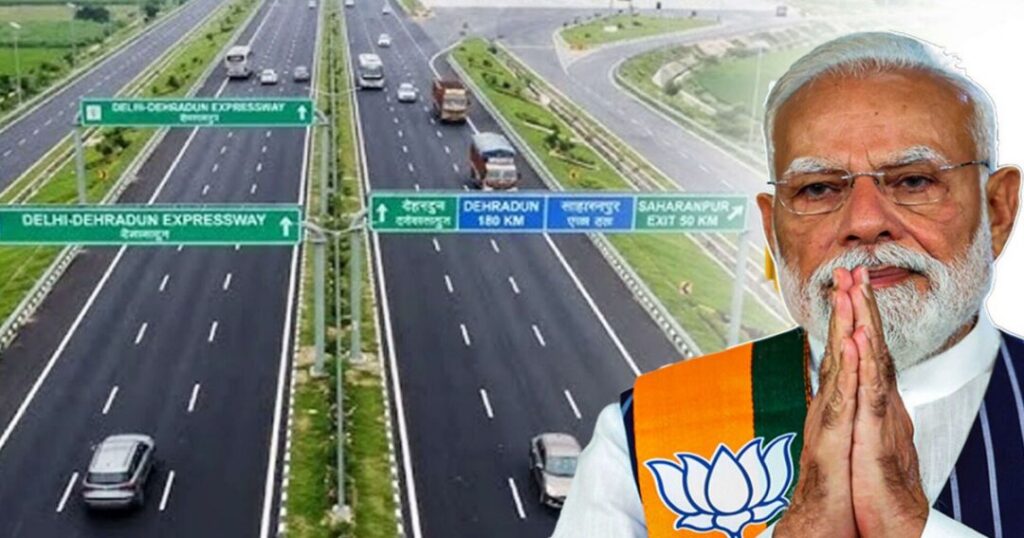
One of the biggest highlights of the Delhi to Dehradun Expressway is the drastic reduction in travel time.
- Earlier travel time: 6–7 hours
- New travel time: ~2.5 hours
This makes spontaneous trips easier and eliminates the need for early departures or traffic planning.
For frequent travelers, this predictability is a major advantage.
A Fully Access-Controlled Expressway Experience
Unlike traditional highways, the Delhi–Dehradun Expressway is designed as a fully access-controlled corridor.
Key Features:
- No local traffic interruptions
- No market crossings or bottlenecks
- Fixed entry and exit points
- Smooth and uninterrupted driving experience
This ensures a consistent and safer journey compared to older routes.
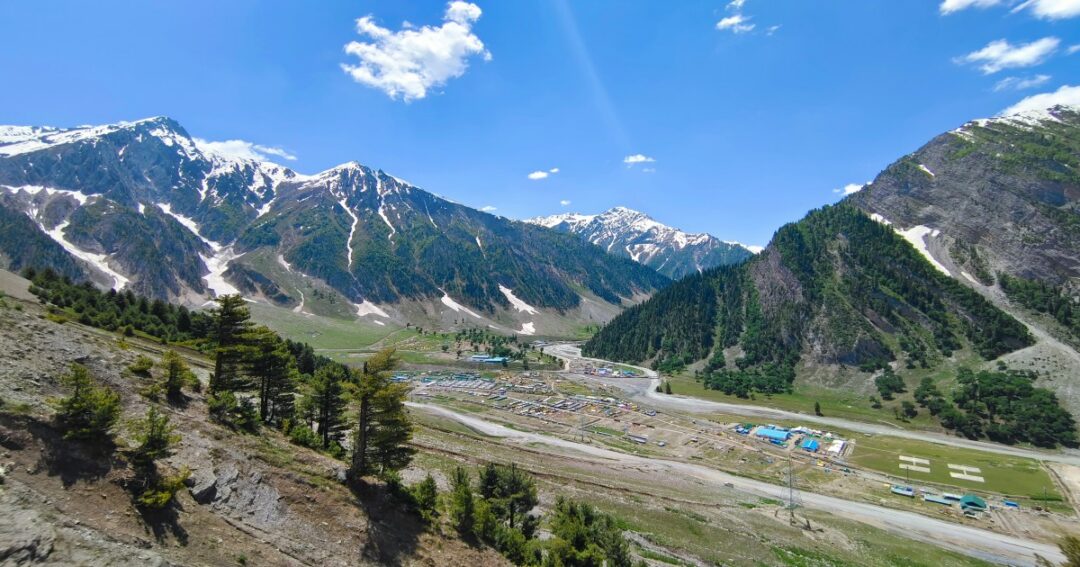
Boost to Tourism: Easier Access to Mussoorie & Beyond
The expressway doesn’t just benefit Dehradun—it also improves connectivity to nearby hill stations like Mussoorie.
What This Means:
- More weekend trips from Delhi NCR
- Increased tourist flow to Uttarakhand
- Growth in hotels, transport, and local businesses
For travelers, the hills now feel closer than ever.
Eco-Friendly Construction Near Rajaji National Park
A key highlight of this project is its environmentally conscious design near Rajaji National Park.
Sustainability Measures:
- Wildlife underpasses and overpasses for safe animal movement
- Special focus on elephant corridors
- Plantation drives along the route
This ensures infrastructure development without ignoring ecological balance.
Speed Limits & Rules: What Travelers Should Know
Since it’s a high-speed expressway, strict rules are in place.
Important Guidelines:
- Expected speed limit: ~100 km/h
- No entry for slow-moving vehicles (cycles, carts, etc.)
- Surveillance and monitoring systems installed
The goal is to maintain discipline and avoid congestion in the long run.
Economic Impact Along the Route
The expressway is expected to boost regional development significantly.
Potential Changes:
- Rising land prices
- New commercial hubs
- Growth in roadside infrastructure
- Increased employment opportunities
This trend has been observed with other major expressways across India.
Impact on Uttarakhand Tourism
Improved connectivity to Uttarakhand will lead to a surge in tourism.
Opportunities:
- Higher tourist inflow
- Better business for local communities
Challenges:
- Managing over-tourism
- Preserving natural landscapes
- Maintaining ecological balance
Final Thoughts: A Smoother, Faster, Better Journey
The Delhi–Dehradun Expressway has turned a tiring, unpredictable journey into a quick and seamless drive.
- Shorter travel time
- Better road experience
- Increased accessibility to the hills
For travelers, it simply means one thing—travel just got easier.