

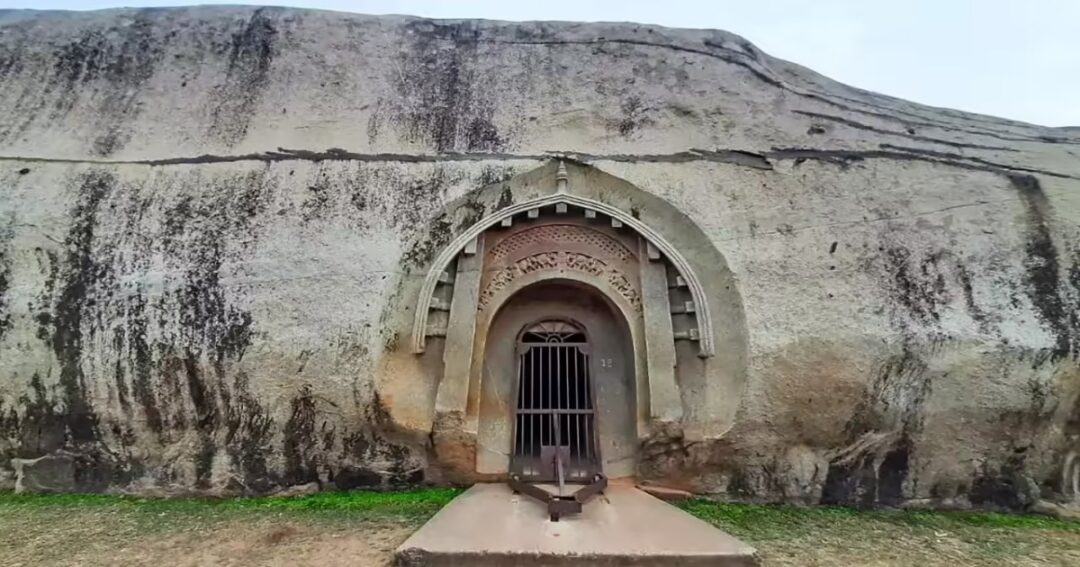

In a quiet but significant push to reshape Bihar’s tourism map, the Bihar Tourism Department has unveiled plans to develop the Barabar Hills into a sustainable eco-tourism destination.
For a site that has stood silently for over two millennia, this moment feels long overdue.
A Forgotten Gem of Bihar Tourism
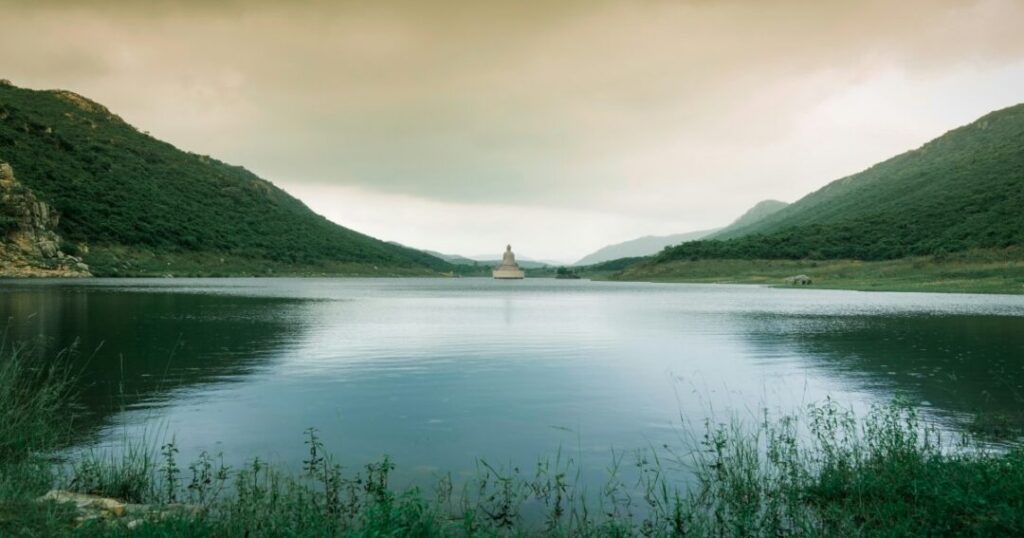
Perched amid rocky hills and scattered greenery, Barabar is not the kind of place that announces itself loudly. There are no large crowds, no souvenir shops, and no rush of tourist buses.
What it offers instead is something far rarer—stillness, scale, and untouched history.
Ancient Barabar Caves: A Marvel from Ashoka’s Era
The caves here date back to the time of Ashoka in the 3rd century BCE. Carved out of solid granite, their interiors are so finely polished that they still reflect light—an almost unbelievable achievement for structures this ancient.
Standing inside, your voice echoes sharply, making the space feel alive with centuries of history.
Despite their significance, Barabar Hills have remained overshadowed by nearby attractions like Bodh Gaya and Nalanda University ruins.
Barabar Hills Eco-Tourism Development Plan
The state government aims to enhance accessibility without disturbing the natural and historical integrity of the site.
Key Developments Planned
- Improved road connectivity
- Clear signage for easier navigation
- Eco-friendly walking trails across the hills
- Basic facilities like drinking water, rest areas, and sanitation
- Introduction of guided heritage walks
The focus remains firmly on eco-tourism, ensuring minimal construction and avoiding over-commercialization.
Impact on Local Communities
For nearby villages in Jehanabad district, this initiative could bring gradual but meaningful change.
- Small businesses like tea stalls may emerge
- Local guides could find new opportunities
- Homestays may develop, boosting rural tourism
If managed sustainably, this could create long-term livelihood opportunities without disrupting the region’s character.
How to Reach Barabar Hills
- Distance: Around 40 km from Gaya
- Accessible via road from Patna
- Best suited for a short offbeat road trip
The journey itself remains part of the experience—quiet, scenic, and largely untouched.
Why Barabar Hills Deserve Attention Now
This isn’t just about adding another destination to Bihar tourism. It’s about recognizing a place that has always existed—waiting quietly, away from the spotlight.
If executed thoughtfully, Barabar Hills can become a model for sustainable tourism in India—where development enhances access without erasing authenticity.
Final Thoughts
Barabar Hills are not meant for hurried travel. They are for those who want to slow down, listen, and connect with history in its rawest form.
With this eco-tourism initiative, Bihar has an opportunity to place Barabar Hills on the global travel map—without losing what makes them special.