


A New Side Of Ladakh Could Soon Bloom With High-Altitude Flower Valleys
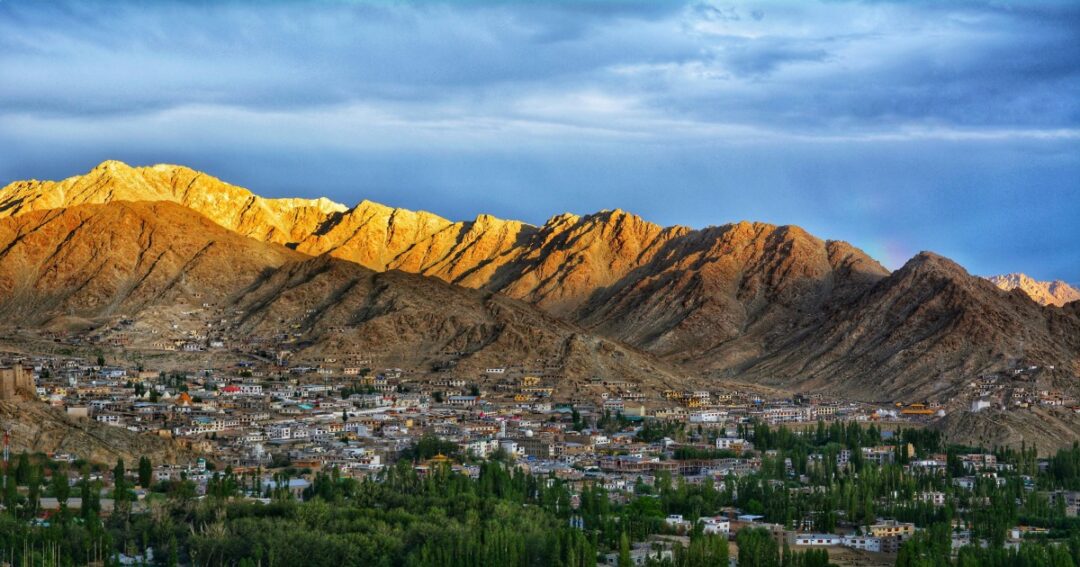
When travellers think of Ladakh, they usually imagine dramatic brown mountains, frozen rivers, winding roads, ancient monasteries, fluttering prayer flags, and endless cold desert landscapes under deep blue skies.
Flowers are rarely part of that picture.
But that may soon change.
Ladakh is now working on an ambitious eco-tourism and greening initiative to develop high-altitude flower valleys near Leh. Planned around areas like Choglamsar and Wari La, the project aims to introduce seasonal bloom zones designed specifically to survive the harsh climate, rocky terrain, low oxygen levels, and freezing temperatures of the Himalayan cold desert.
For a destination famous for barren beauty, the idea of colourful flower valleys blooming across rugged mountains has instantly sparked curiosity among travellers.
Why Ladakh Is Developing Flower Valleys In Its Cold Desert Region
Officials involved in the project say plantation work has already started in selected areas. Experts are currently identifying flower species capable of surviving Ladakh’s extreme environmental conditions, including:
- Freezing winter temperatures
- Strong mountain winds
- Low oxygen levels
- Dry rocky soil
- High-altitude desert terrain
Unlike the lush green flower valleys of Uttarakhand, Ladakh’s version is expected to be very different — more rugged, minimal, and naturally adapted to the cold desert ecosystem.
The goal is not only tourism.
Authorities believe the project could gradually improve green cover in the region while promoting environmentally responsible tourism experiences focused on slow travel, sustainability, and nature appreciation.
How Tourism In Ladakh Is Changing
Travel trends in Ladakh have changed significantly in recent years.
Earlier, most visitors came mainly for:
- Road trips through Himalayan passes
- Bike expeditions
- Visits to monasteries
- Camping near Pangong Lake
- Exploring Nubra Valley
But today, many travellers are looking beyond conventional sightseeing.
Modern travellers visiting Ladakh are increasingly interested in:
- Village experiences
- Local Ladakhi cuisine
- Apricot blossom trails
- Stargazing experiences
- Quiet homestays
- Cultural immersion
- Sustainable tourism
- Slow travel experiences
The proposed flower valleys fit perfectly into this evolving travel trend.
For repeat visitors especially, the thought of colourful blooms appearing against dry cliffs, monasteries, and snow-covered Himalayan peaks offers a completely new perspective of Ladakh.
Could Ladakh’s Flower Valley Project Become A Major Eco-Tourism Attraction?
The idea of flowers blooming across a cold desert landscape feels almost surreal — and that contrast is exactly what makes the project so fascinating.
Travellers are already curious about:
What Will Ladakh’s Flower Valleys Look Like?
Unlike traditional flower valleys filled with dense greenery, Ladakh’s flower valleys are expected to feature hardy high-altitude blooms spread across rugged mountain terrain.
Where Are The Flower Valleys Being Developed?
The initiative is currently focused around regions near Leh, including Choglamsar and Wari La.
When Could Travellers Visit?
While plantation efforts have already begun, the bloom cycles will depend heavily on weather conditions and how successfully the species adapt to Ladakh’s climate.
Why Is This Project Important?
Beyond tourism, the project may help improve vegetation cover and encourage more sustainable tourism practices in the Himalayan region.
Environmental Concerns Around Tourism In Ladakh
At the same time, environmental concerns remain important.
Ladakh has one of the most fragile ecosystems in India, and locals as well as environmentalists have repeatedly raised concerns about:
- Water shortages
- Increasing waste generation
- Overtourism pressure
- Environmental imbalance
- Unsustainable infrastructure growth
Because of this, many experts believe the success of the flower valley initiative will depend not only on how visually appealing it becomes, but also on how responsibly it is developed.
Sustainable planning, controlled tourism, native plantation choices, and long-term ecological monitoring will likely play a major role in determining whether the project succeeds without harming Ladakh’s delicate environment.
Why Travellers Are Excited About Ladakh’s Flower Valleys
For many travellers, Ladakh has always represented raw wilderness, silence, and dramatic emptiness.
The possibility of colourful flowers blooming across that cold desert landscape adds an entirely new emotional layer to the destination.
It introduces a softer, quieter, and more poetic side of Ladakh that few people have ever imagined.
And that contrast — flowers against barren Himalayan mountains — may soon become one of the region’s most unique travel experiences.