

Massive Dinosaur Fossils Found in Thailand Rewrite Southeast Asia’s Prehistoric History
A remarkable dinosaur discovery in Thailand is capturing global scientific attention after researchers identified what is now believed to be the largest dinosaur ever discovered in Southeast Asia.
The giant dinosaur, officially named Nagatitan chaiyaphumensis, was unearthed in Chaiyaphum Province in northeastern Thailand, where enormous fossilized bones had remained buried underground for more than 100 million years.
Scientists believe the dinosaur lived during the Early Cretaceous period, when the region was covered with dense forests, wetlands, river systems, and swampy prehistoric landscapes that looked vastly different from modern-day Thailand.
How the Dinosaur Fossils Were Discovered in Thailand
The discovery began when local villagers noticed unusually large fossil bones emerging from the ground in the Chaiyaphum region. Excavation teams later conducted detailed research and carefully recovered multiple fossil remains from the site.
Researchers uncovered:
- Massive vertebrae
- Rib bones
- Hip bones
- Large limb fossils
- Partial skeletal remains
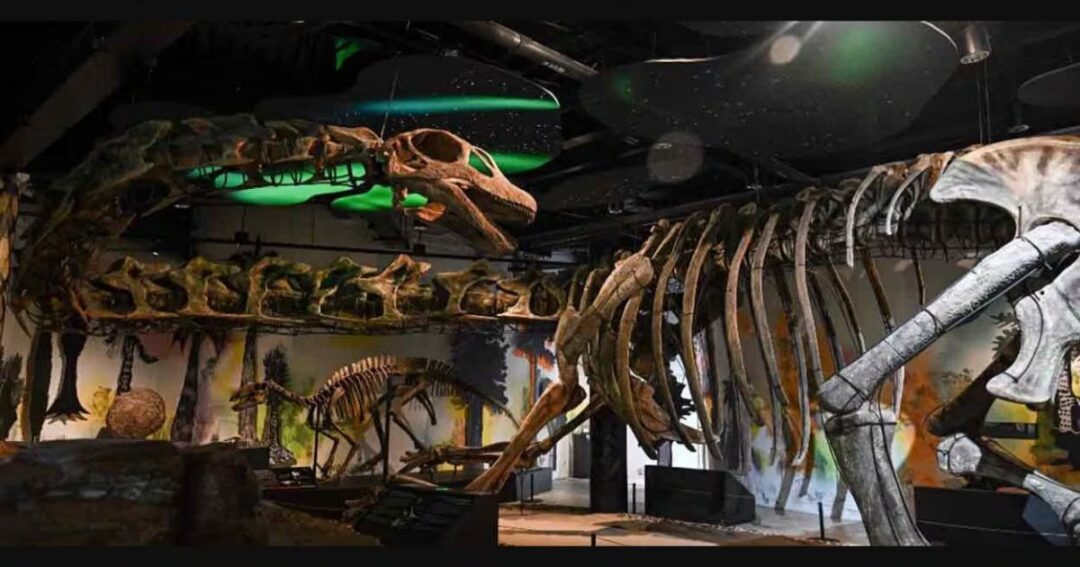
These fossils revealed the extraordinary size of the prehistoric animal and confirmed that the species belonged to the giant sauropod dinosaur family.
Nagatitan Chaiyaphumensis: Southeast Asia’s Largest Dinosaur
According to paleontologists, Nagatitan chaiyaphumensis measured nearly 27 metres in length and weighed an estimated 25 to 30 tonnes.
Key Facts About the Dinosaur
| Feature | Details |
|---|---|
| Dinosaur Name | Nagatitan chaiyaphumensis |
| Type | Sauropod |
| Period | Early Cretaceous |
| Age of Fossils | Over 100 million years |
| Estimated Length | Around 27 metres |
| Estimated Weight | 25–30 tonnes |
| Discovery Location | Chaiyaphum Province, Thailand |
The dinosaur belonged to the sauropod family, a group famous for giant long-necked herbivores that once roamed different parts of the ancient world.
Scientists believe the massive animal survived on prehistoric vegetation, including:
- Ferns
- Conifer trees
- Primitive plants
- Floodplain vegetation
Why This Dinosaur Discovery Is Important
The discovery of Nagatitan chaiyaphumensis is considered one of the most important paleontological finds ever made in Southeast Asia.
Unlike regions such as:
- Argentina
- United States
- China
Southeast Asia has produced relatively fewer giant dinosaur discoveries. Researchers say these fossils are helping scientists better understand how massive dinosaurs evolved and spread across ancient Asia millions of years ago.
The fossils may also provide new insights into prehistoric ecosystems, migration patterns, and climate conditions during the Cretaceous era.
Why Scientists Call It “The Last Titan”
Researchers have referred to the dinosaur as “the last titan” because the fossils were discovered in one of Thailand’s youngest dinosaur-bearing geological formations.
Scientists believe the species may have existed during a major transitional period when environmental and climatic changes were beginning to reshape prehistoric ecosystems across the planet.
This could help researchers understand how giant dinosaurs adapted before later extinction events transformed Earth’s biodiversity forever.
Thailand’s Growing Dinosaur Tourism and Fossil Research
The discovery has also boosted interest in dinosaur tourism in Thailand, where fossil research and prehistoric heritage sites have become increasingly popular in recent years.
Experts believe the excavation site in Chaiyaphum could still contain additional fossil remains waiting to be uncovered, potentially leading to more groundbreaking discoveries in the future.
The find is expected to strengthen Thailand’s position as an important destination for paleontology research and prehistoric tourism in Asia.
Conclusion
The discovery of Nagatitan chaiyaphumensis stands as one of Southeast Asia’s most significant prehistoric discoveries.
Buried beneath Thailand’s ancient landscapes for more than 100 million years, the fossils are now helping scientists piece together a forgotten chapter of Earth’s history. As excavation work continues, researchers believe even more extraordinary discoveries could still lie hidden beneath the surface.