

India is preparing for a significant transformation in tourism as the government invests in faster rail networks, improved travel infrastructure, and enhanced visitor experiences across the country. The initiative aims to make travel more accessible, reduce journey times, and unlock the tourism potential of both popular and lesser-known destinations.
With domestic tourism reaching new heights, these developments could reshape how travelers explore India in the coming years.
Why Is India Investing in Tourism Infrastructure?
India’s tourism sector has experienced rapid growth, driven by increasing domestic travel and a rising interest in cultural, spiritual, adventure, and nature-based tourism.
To support this growth, authorities are focusing on:
- High-speed rail connectivity
- Improved road networks
- Better tourism facilities
- Heritage site development
- Enhanced visitor amenities
- Promotion of emerging tourism destinations
These investments are designed to create smoother travel experiences while boosting local economies.
How Will High-Speed Trains Impact Tourism in India?
One of the most anticipated developments is the proposal for new high-speed rail corridors connecting major cities and tourism hubs.
Key Benefits of Faster Train Networks
- Reduced travel times between destinations
- Easier multi-city travel itineraries
- More practical weekend getaways
- Increased accessibility to remote tourist destinations
- Better connectivity between cultural and heritage sites
For travelers, this means spending less time in transit and more time exploring destinations.
Improved Visitor Experience at Heritage and Cultural Sites
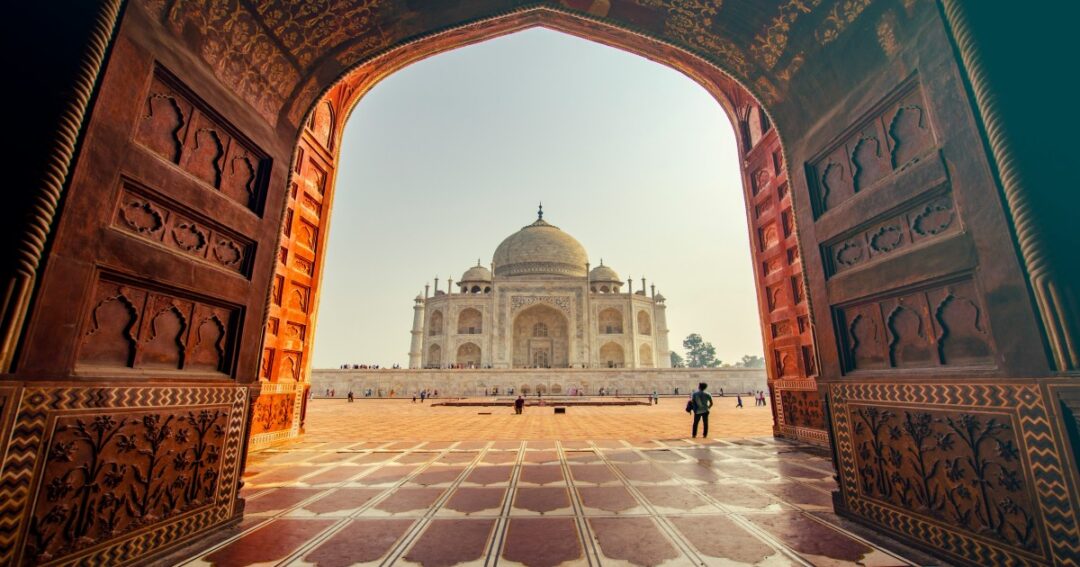
Beyond transportation, India is also investing in enhancing tourism infrastructure at key heritage and cultural attractions.
Planned Improvements Include:
- Upgraded public facilities
- Better visitor amenities
- Improved accessibility
- Enhanced tourism services
- Better crowd management systems
- Cleaner and more organized tourism zones
These improvements aim to create a more comfortable and enjoyable experience for both domestic and international visitors.
Domestic Tourism Growth Driving Infrastructure Development
Domestic tourism has become one of the strongest drivers of India’s travel industry.
Travelers are increasingly exploring:
- Mountain destinations in North India
- Coastal regions in South India
- Historical cities and monuments
- Spiritual and pilgrimage centers
- Wildlife sanctuaries and eco-tourism destinations
As travel demand grows, modern infrastructure becomes essential for sustaining tourism growth and ensuring a seamless visitor experience.
Economic Benefits of Better Tourism Connectivity
Improved transportation and tourism infrastructure can generate benefits far beyond the travel industry.
Sectors Expected to Benefit
- Hotels and accommodations
- Local restaurants and cafes
- Tour operators and guides
- Transport services
- Handicraft and artisan communities
- Small businesses in emerging destinations
By improving access to smaller towns and lesser-known attractions, tourism revenue can be distributed more evenly across different regions of India.
Growth Opportunities in Wellness, Eco, Spiritual, and Adventure Tourism
India already holds a strong position in several specialised tourism segments.
Emerging Tourism Categories
Wellness Tourism
Yoga retreats, Ayurveda centres, and holistic wellness experiences continue to attract travelers seeking health-focused vacations.
Eco-Tourism
Nature reserves, sustainable travel experiences, and wildlife destinations are gaining popularity among environmentally conscious travelers.
Spiritual Tourism
Pilgrimage destinations and sacred sites remain a major attraction for millions of visitors each year.
Adventure Tourism
Trekking, river rafting, mountain biking, camping, and other outdoor activities are creating new opportunities for tourism growth.
Better infrastructure can help these tourism segments reach their full potential.
What Does This Mean for Travelers?
Travelers can expect:
- Faster and more convenient journeys
- Improved travel experiences
- Easier access to emerging destinations
- Better facilities at major attractions
- More opportunities for multi-destination trips
As these projects move forward, exploring India’s diverse landscapes, cultures, and heritage sites may become more accessible than ever before.
Conclusion
India’s ambitious plans for faster trains, improved tourism infrastructure, and enhanced visitor experiences signal a new chapter for the country’s travel industry. While many projects will take time to materialise, the long-term vision is clear: making travel across India faster, easier, and more enjoyable.
For travelers, this means more destinations to discover, improved accessibility, and countless new opportunities to experience the incredible diversity that India has to offer.