

Saudi Arabia is rapidly expanding its tourism industry under Vision 2030, investing in new destinations, luxury resorts, hotels, cultural attractions, entertainment hubs, aviation infrastructure and coastal developments. The Kingdom aims to attract 150 million visits annually by 2030, positioning tourism as a major pillar of its post-oil economy.
From AlUla and Diriyah to the Red Sea coast and Riyadh, Saudi Arabia is developing a diverse tourism ecosystem designed to attract international travellers while strengthening domestic tourism.
What Is Driving Saudi Arabia’s Tourism Expansion?
Saudi Arabia’s tourism expansion is a central part of Vision 2030, the Kingdom’s broader economic diversification strategy. The government is investing heavily in tourism infrastructure to reduce its dependence on oil revenues and create new sources of economic growth.
The strategy focuses on developing destinations and experiences across several categories, including:
- Luxury and leisure tourism
- Cultural and heritage tourism
- Adventure and nature tourism
- Coastal and marine tourism
- Religious and pilgrimage tourism
- Food and culinary tourism
- Entertainment and events
- Business and MICE tourism
This approach is transforming Saudi Arabia from a destination traditionally associated mainly with religious travel into a broader international tourism market.
What Is the New Al-Khafji Tourism Development?
On September 7, the Public Investment Fund announced the launch of a new company to develop a tourism and residential destination along the Al-Khafji coastline in Saudi Arabia’s Eastern Province.
The project is expected to include a waterfront development and is intended to strengthen tourism and investment opportunities along the Kingdom’s Gulf coast.
The Al-Khafji project is part of Saudi Arabia’s wider effort to develop coastal destinations and expand tourism infrastructure beyond the country’s major established cities.
What Are the Major Tourism Projects in Saudi Arabia?
Saudi Arabia is developing several major tourism destinations across the Kingdom. Some of the most prominent include AlUla, the Red Sea, Diriyah and Riyadh.
AlUla: Heritage and Cultural Tourism
AlUla is being developed as one of Saudi Arabia’s leading cultural and heritage destinations.
Known for its archaeological sites, dramatic landscapes and ancient heritage, AlUla is being positioned as a destination for international travellers interested in history, culture, nature and luxury experiences.
The development of hotels, cultural attractions, events and visitor infrastructure is intended to make AlUla a major year-round tourism destination.
Red Sea: Luxury Coastal Tourism
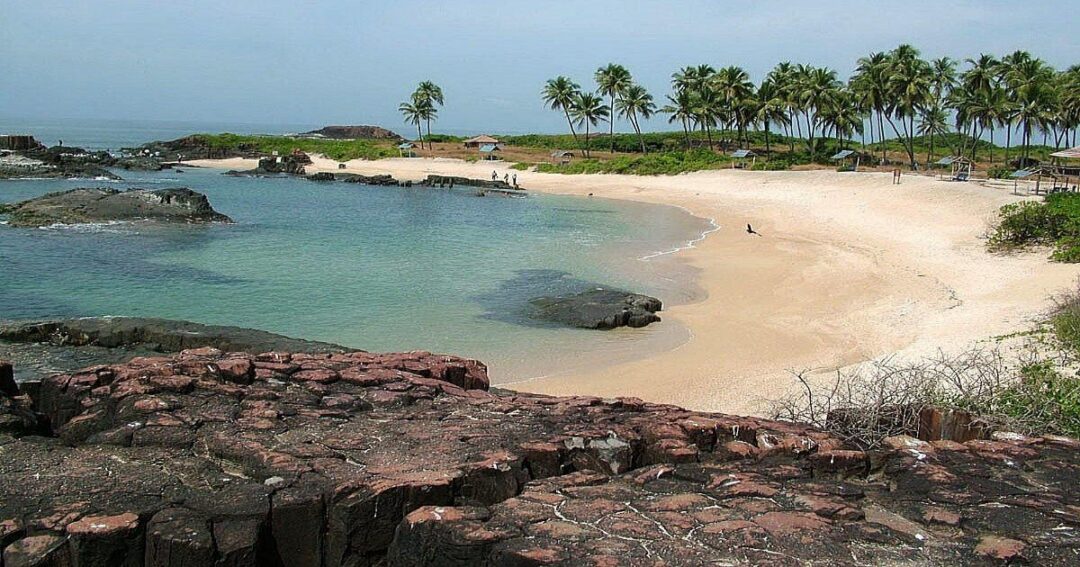
Saudi Arabia’s Red Sea coast is being transformed into a high-end tourism destination focused on luxury resorts, marine experiences, beaches and nature.
The region is attracting significant investment in hospitality and coastal infrastructure, with an emphasis on luxury travel and environmentally conscious tourism.
The Red Sea is expected to play an important role in Saudi Arabia’s ambition to compete with established luxury destinations across the Middle East and globally.
Diriyah: Saudi Heritage Meets Modern Tourism
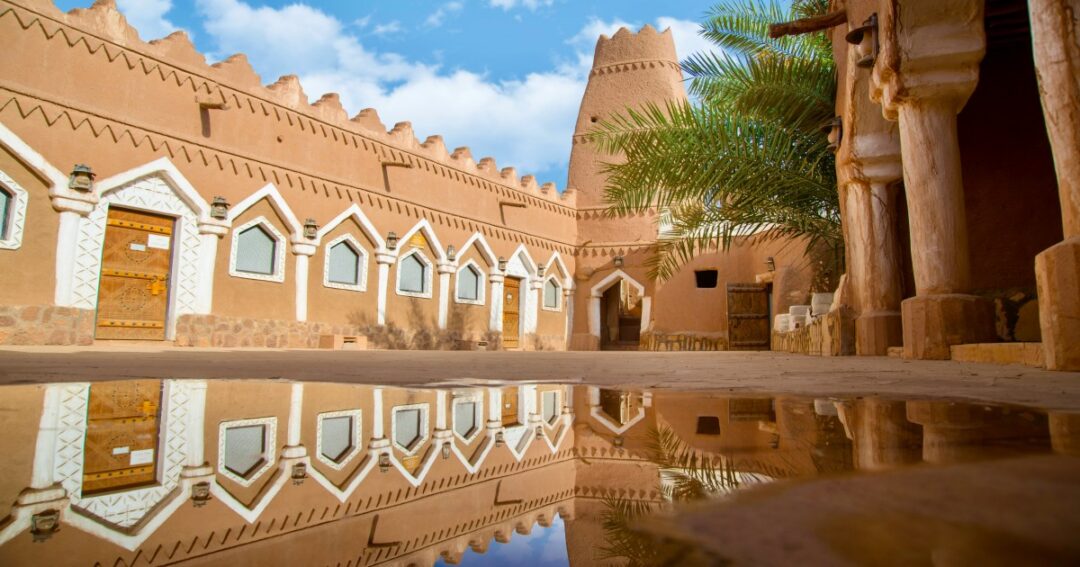
At-Turaif and the wider Diriyah development are central to Saudi Arabia’s cultural tourism strategy.
Located near Riyadh, Diriyah combines Saudi heritage with restaurants, hospitality, cultural attractions, retail and lifestyle experiences.
The destination is being developed to showcase Saudi history while creating a modern tourism and entertainment hub.
Riyadh: Entertainment, Dining and Business Tourism
Riyadh is becoming another major driver of Saudi Arabia’s tourism growth.
The capital is expanding its portfolio of entertainment venues, restaurants, shopping destinations, sporting events, cultural experiences and international events.
Riyadh’s growing business and events sector also supports the Kingdom’s ambition to attract business travellers and international visitors.
How Many Tourists Does Saudi Arabia Want to Attract by 2030?
Saudi Arabia has increased its tourism ambitions after achieving its earlier target of 100 million annual visits ahead of schedule.
The Kingdom now aims to reach 150 million visits by 2030.
Saudi Arabia recorded around 123 million tourists in 2025, including more than 30 million international visitors, highlighting the rapid expansion of the country’s tourism sector.
The higher 2030 target reflects the government’s confidence in continued growth across international and domestic tourism.
Why Is Saudi Arabia Investing So Much in Hotels and Hospitality?
Hospitality is one of the most important components of Saudi Arabia’s tourism expansion.
International hotel groups and luxury brands are increasing their presence in the Kingdom, while new resorts, hotels and accommodation facilities are being planned across established and emerging destinations.
The government is also encouraging private-sector investment to create a tourism ecosystem capable of serving:
- International tourists
- Domestic travellers
- Luxury travellers
- Business visitors
- Religious tourists
- Adventure and nature travellers
- Families and leisure tourists
The expansion of accommodation is particularly important because Saudi Arabia needs sufficient hotel capacity to support its growing visitor numbers and new tourism destinations.
How Is Saudi Arabia Diversifying Beyond Religious Tourism?
Religious tourism remains a fundamental part of Saudi Arabia’s visitor economy, particularly through pilgrimage travel to destinations such as Mecca and Medina.
However, the Kingdom is increasingly promoting a much wider range of tourism experiences.
Saudi Arabia is now investing in:
Culture: Heritage sites, museums, archaeological attractions and traditional experiences.
Adventure: Desert experiences, hiking, outdoor activities and nature-based tourism.
Luxury: High-end hotels, resorts and exclusive experiences.
Food: Restaurants, international chefs and Saudi culinary experiences.
Entertainment: Concerts, sporting events, festivals and large-scale attractions.
Business: Conferences, exhibitions, corporate events and international gatherings.
This diversification is intended to increase the number of reasons travellers visit Saudi Arabia and encourage longer stays.
Why Is Food Tourism Becoming Important in Saudi Arabia?
Food and culinary experiences are becoming an increasingly important part of Saudi Arabia’s tourism strategy.
The Kingdom is attracting international chefs and restaurant brands while also promoting Saudi cuisine and culinary heritage.
For travellers, this creates an opportunity to experience traditional Saudi dishes alongside international dining and modern culinary concepts.
As Saudi Arabia develops its tourism industry, food can help strengthen the country’s destination identity and provide visitors with another reason to explore different cities and regions.
How Is Aviation Supporting Saudi Arabia’s Tourism Growth?
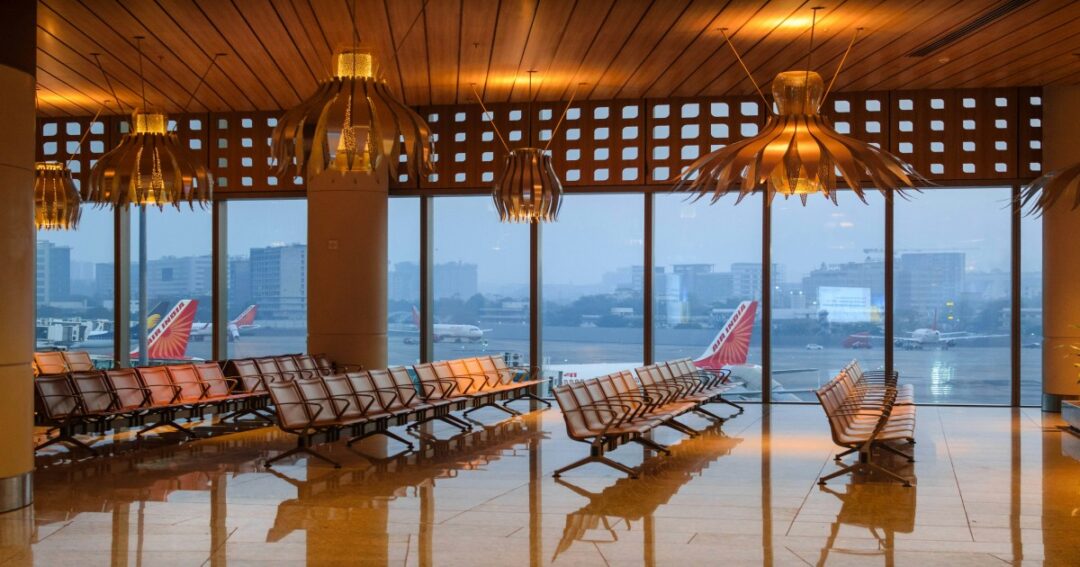
Aviation is critical to Saudi Arabia’s tourism ambitions because international connectivity will determine how easily visitors can reach its emerging destinations.
The Kingdom is investing in:
- Airport infrastructure
- Airline connectivity
- Aviation capacity
- International routes
- New travel infrastructure
The expansion of Riyadh Air is also expected to support Saudi Arabia’s ambition to become a major global aviation and travel hub.
Improved air connectivity could make it easier for international tourists to combine destinations such as Riyadh, AlUla and the Red Sea within a single trip.
What Challenges Does Saudi Arabia’s Tourism Industry Face?
Despite its rapid expansion, Saudi Arabia’s tourism transformation faces several challenges.
Some large-scale developments have experienced delays, while questions remain about the cost, feasibility and long-term demand associated with certain mega-projects.
The Kingdom also operates in a region affected by geopolitical tensions, which can influence international travel demand and visitor confidence.
Domestic tourism therefore remains an important source of resilience for the country’s tourism industry.
Another challenge is ensuring that rapid infrastructure development translates into a sustainable tourism ecosystem rather than isolated mega-projects.
What Is the Future of Tourism in Saudi Arabia?
The future of Saudi Arabia’s tourism industry will increasingly depend on the country’s ability to connect its different destinations, improve international accessibility and create experiences that encourage visitors to stay longer.
Rather than relying on individual mega-projects, Saudi Arabia is increasingly building a network of destinations covering heritage, beaches, nature, entertainment, food, luxury, business and religious tourism.
This broader strategy could help the Kingdom attract visitors throughout the year and distribute tourism activity across different regions.
Saudi Arabia Tourism Expansion: Key Facts
| Tourism factor | Saudi Arabia’s strategy |
|---|---|
| Tourism vision | Vision 2030 |
| 2030 tourism target | 150 million visits |
| Earlier target | 100 million annual visits |
| 2025 tourism figure | Around 123 million tourists |
| International visitors in 2025 | More than 30 million |
| Major destinations | AlUla, Red Sea, Diriyah, Riyadh |
| Key tourism sectors | Luxury, culture, adventure, leisure, food, entertainment and business |
| Major infrastructure focus | Hotels, resorts, airports and connectivity |
| Coastal development | Red Sea and Gulf coast |
| Aviation growth | Expansion of connectivity and Riyadh Air |