

On most weekends now, it’s not just check-ins keeping India’s top hotels busy — it’s baraats, business summits, and back-to-back banquets.
Across the country, from luxury city hotels to destination properties in Jaipur, Udaipur, and Goa, ballrooms are buzzing. Wedding decorators move in with truckloads of flowers. Corporate teams set up LED screens before sunrise. Chefs prepare menus for 800 guests instead of 80.
For many hotels, this is no longer an occasional spike in activity. It’s the new normal.
Hoteliers say events — especially weddings and corporate gatherings — have quietly become one of the strongest drivers of revenue. And that reality is reshaping how hotels are being designed, renovated, and marketed.
Beyond Just Selling Rooms
There was a time when success in hospitality was measured largely by occupancy rates. Today, general managers admit the conversation has changed. It’s about how many events are booked for the quarter. How many large-format conferences are confirmed? How many weddings have blocked the property for three days straight?
A single large wedding can fill rooms, restaurants, and banquet halls at once. It brings in catering revenue, décor partnerships, premium liquor sale,s and spa bookings. The financial impact stretches far beyond the ballroom doors.
Corporate events offer similar advantages. Conferences often mean steady weekday business, something hotels traditionally struggled with outside peak travel seasons. With in-person meetings firmly back on the agenda, companies are once again flying teams in for strategy meets and annual conventions.
Designing for Gatherings
This demand is influencing the drawing board. Several hotel developers are allocating more space to pillar-less ballrooms, pre-function areas, and flexible meeting rooms. Some properties are even trimming room counts slightly to create larger event venues.
The logic is simple: a ballroom that hosts multiple high-value events a week can generate more predictable returns than additional rooms competing in a crowded market.
In metro cities where land is expensive and space is limited, every square foot must justify itself. Increasingly, that justification is coming from event revenue.
India’s Wedding Economy
India’s vast wedding industry continues to be a major catalyst. Multi-day celebrations — complete with themed evenings, live performances, and curated dining experiences — have become more elaborate and more frequent.
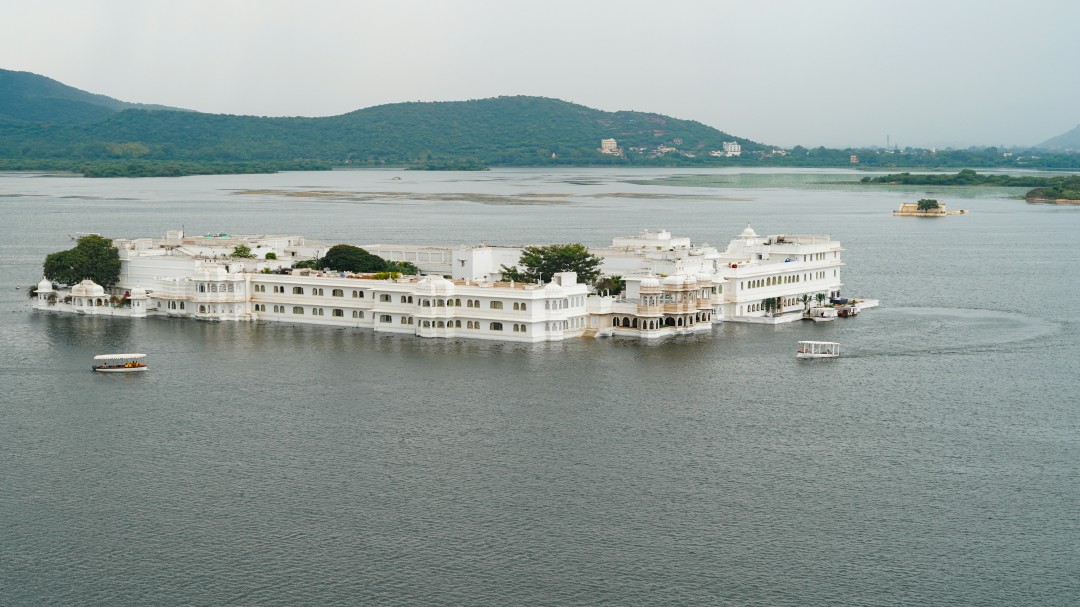
Destination weddings are no longer rare. Families are choosing beach resorts, heritage palaces and luxury city hotels as the backdrop for ceremonies that can run for three to five days. Hotels that offer expansive lawns or grand indoor ballrooms are often booked months in advance.
For staff, it means long but rewarding schedules. For owners, it means sustained revenue visibility.
A More Balanced Business
This does not mean rooms are losing relevance. Leisure travel remains strong, and business travel continues to support weekday occupancy. But the mix is changing.
Hotels are learning that relying on room bookings alone can make them vulnerable to seasonal dips or market fluctuations. Events, on the other hand, bring bundled spending and advance confirmations.
The result is a more diversified business model — one that feels steadier.
The New Hospitality Equation
At its core, hospitality has always been about bringing people together. What’s changing is scale.
India’s hotels are no longer just places to stay. They are becoming venues where milestones are celebrated, deals are signed, and communities gather.
And as the industry looks ahead, one thing is clear: in the competition between rooms and ballrooms, it’s the gatherings that are setting the tone.