
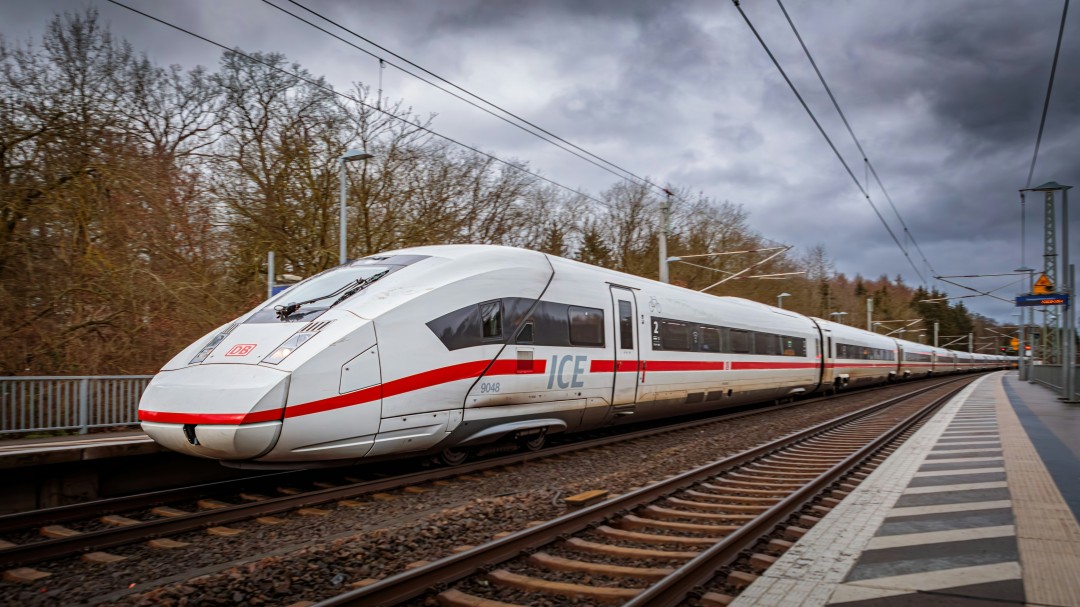

New Delhi, India — India is set to enter a new era in transportation with the launch of its first high‑speed bullet train on August 15, 2027, marking a major milestone in the country’s rail infrastructure development. The announcement was made by Railway Minister Ashwini Vaishnaw, who outlined the phased rollout of the Mumbai–Ahmedabad High‑Speed Rail (MAHSR) Corridor, one of the nation’s most ambitious infrastructure projects.
Spanning 508 kilometres, the MAHSR corridor will connect Mumbai and Ahmedabad, passing through major urban centres in Maharashtra, Gujarat, and the union territory of Dadra and Nagar Haveli. Once fully operational, the high‑speed trains will run at speeds of up to 320 kilometres per hour, cutting travel time between the two cities to under two hours and twenty minutes — a dramatic reduction from the current journey of six to seven hours.
The corridor will include 12 stations, with stops at Mumbai, Thane, Virar, Vapi, Surat, Bharuch, Vadodara, Anand, Ahmedabad, and others, making it a transformative addition to the country’s rail network. The project is being developed by the National High Speed Rail Corporation Limited (NHSRCL) with technical and financial support from Japan, which has brought its renowned Shinkansen high‑speed rail technology to the initiative.
According to the plan outlined by Minister Vaishnaw, the high‑speed service will be introduced in stages. The first operational stretch — initially between Surat and Bilimora, and later extending to Vapi and beyond — is scheduled to open on Independence Day 2027, allowing passengers to experience bullet‑train travel before the entire route is complete. Subsequent sections will progressively link Vapi to Ahmedabad and finally extend all the way to Mumbai by the target date of December 2029.
Construction on the corridor has been steadily progressing, with significant portions of viaducts, piers, and bridges already in place. The project’s completion is expected to generate considerable economic activity along the route, boosting connectivity, encouraging regional development, and enhancing trade and tourism.
The bullet train project has faced some challenges, including fluctuating costs and delays, but government officials have reaffirmed their commitment to the revised timeline. Once operational, the service will not only redefine long‑distance travel between western India’s major cities but also position India among the select group of countries with high‑speed rail systems.
With an eye on future expansion and the potential for bullet‑train services in other corridors, India’s first high‑speed rail initiative represents both technological progress and a bold step toward modernising the nation’s transportation landscape.