

Jammu and Kashmir has recorded 1.67 crore tourist visits in 2025, reflecting a steady flow of travelers to the Union Territory this year. The figures, shared in the House, show that tourism continues to remain one of the strongest pillars of the region’s economy.
Where the Numbers Stand
Out of the total footfall recorded till date:
- Jammu division: 1,62,35,036 visitors
- Kashmir division: 4,77,882 visitors
The bulk of the numbers continue to come from the Jammu region, largely driven by pilgrimage tourism, while the Valley’s visitor numbers typically fluctuate depending on the season.
How 2025 Compares
In 2024, the Jammu division recorded 2,00,91,379 tourist visits over the full year, while the Kashmir division saw 98,19,841 visitors.
Since the 2025 data only reflects the period so far, the final picture will become clearer in the coming months. Traditionally, the summer holidays, festival season, winter snowfall, and pilgrimage peaks significantly influence the overall annual count.
Pilgrimage Remains the Backbone
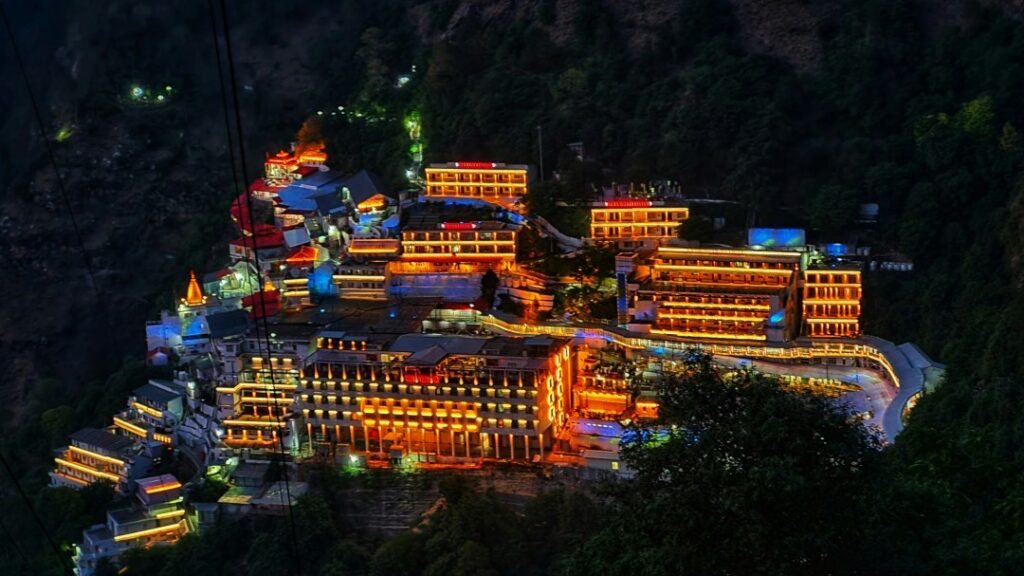
A major share of the visitors in Jammu is linked to religious travel. The Shri Mata Vaishno Devi shrine in Katra continues to draw lakhs of devotees every month. During Navratras and peak travel periods, the footfall increases sharply.
Other religious destinations such as Shiv Khori, Raghunath Temple in Jammu, Sudh Mahadev, and Baba Dhansar also contribute to steady movement in the region.
For many families, these pilgrimages are annual traditions. The steady stream of devotees supports hotels, guesthouses, taxi operators, pony handlers, shopkeepers, and small businesses across the area.
The Valley’s Seasonal Appeal
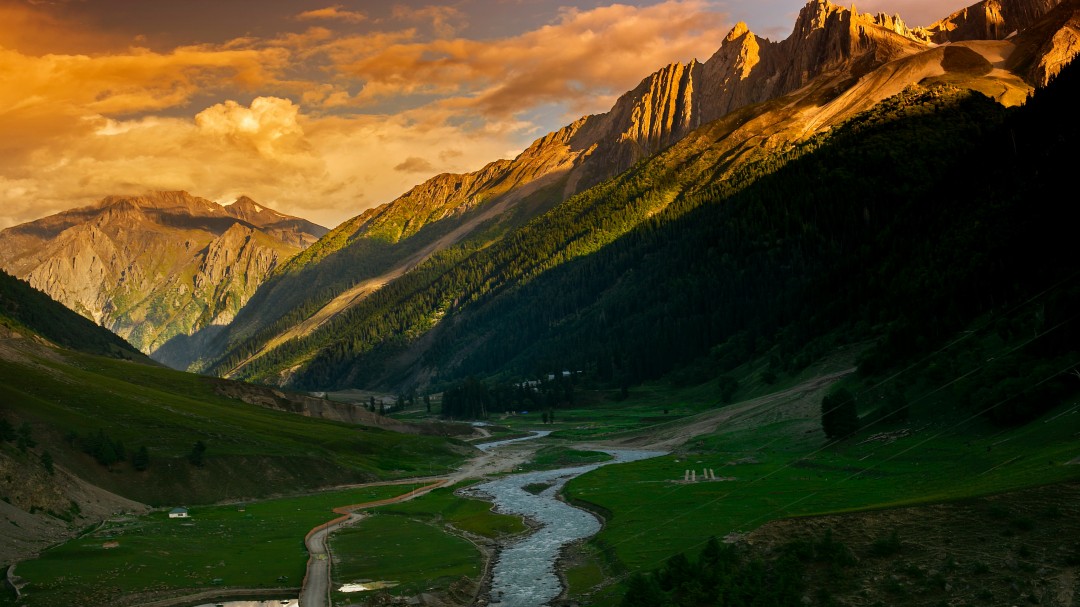
Tourism in the Kashmir division tends to move with the seasons. Srinagar remains a key attraction, with Dal Lake, houseboats, and Mughal Gardens drawing visitors year-round. Gulmarg sees heavy footfall during winter for snow tourism and skiing, while Pahalgam and Sonamarg attract families and nature lovers during the summer months.
In recent years, improved road connectivity and better flight options have made travel smoother. Hotels and homestays have also expanded, helping manage higher visitor volumes during peak seasons.
Newer Destinations Finding Interest
Beyond the well-known spots, several lesser-crowded destinations are gradually gaining attention. Patnitop’s meadows, Bhaderwah’s scenic valleys, Sanasar’s adventure activities, and the lakes of Mansar and Surinsar are drawing travelers who prefer quieter locations.
In the Valley too, places like Doodhpathri and Gurez are seeing increasing interest from domestic tourists looking for offbeat experiences.
A Steady Year So Far
The record-breaking tourist influx into Jammu and Kashmir in 2025 is a clear indicator of the region’s growing significance on the global tourism map. With over 1.67 crore visitors flocking to the region, the government’s initiatives are bearing fruit, and the future of the tourism industry in Jammu and Kashmir looks promising. By continuing to diversify its offerings and focusing on sustainability, the region is poised to become a year-round tourist hub for both domestic and international travelers.
For now, the numbers reflect continued movement across pilgrimage, leisure,e and emerging travel circuits, keeping tourism firmly at the center of the region’s growth story.