

Rajasthan Tightens Tourism Rules To Protect Jawai’s Leopard Habitat
There was a time when Jawai remained one of Rajasthan’s quieter wildlife secrets.
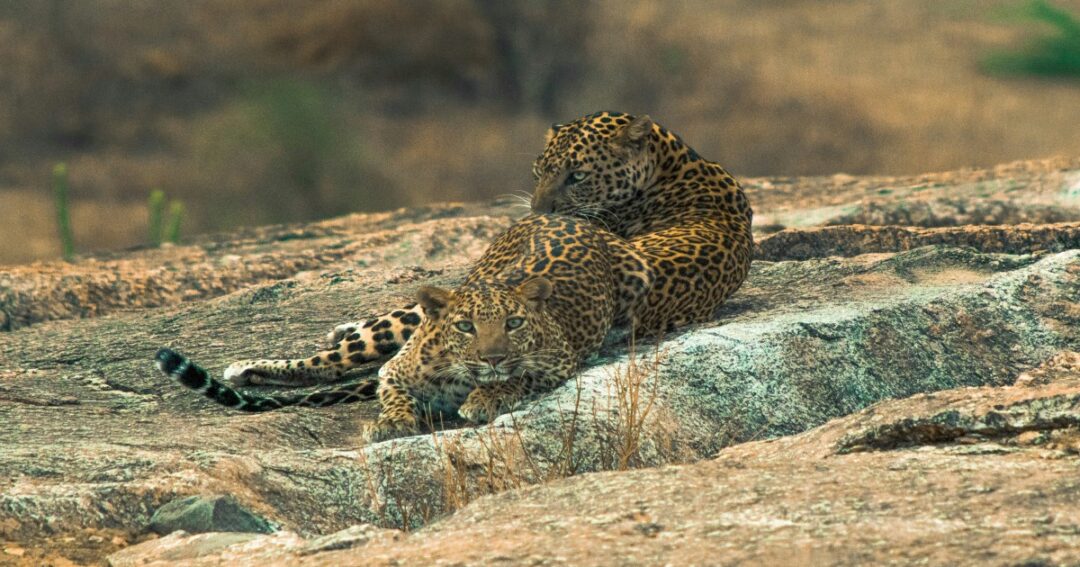
Hidden within the rugged granite hills of Pali district in Rajasthan, this unique landscape was known for its peaceful coexistence between leopards and local Rabari communities. Leopards moved silently through caves and rocky cliffs while villagers carried on with daily life just metres away — without conflict, crowds, or commercial safari chaos.
But over the past few years, Jawai has transformed rapidly into one of India’s fastest-growing wildlife tourism destinations.
Luxury camps expanded across the hills, social media creators flooded platforms with dramatic leopard videos, and travellers from around the world began arriving in large numbers hoping to witness Jawai’s famous leopard sightings.
Now, rising concerns over overtourism, habitat disturbance, and unregulated safari activity have pushed Rajasthan authorities to intervene.
Why Jawai Became One Of India’s Most Popular Wildlife Destinations
Unlike India’s crowded tiger reserves, Jawai offers a completely different wildlife experience.
There are no dense forests or long lines of safari jeeps waiting around a tiger sighting. Instead, Jawai’s landscape is defined by massive granite boulders, ancient cave systems, scattered temples, open scrubland, and quiet villages.
This unusual terrain allows leopards to survive outside a traditional protected forest ecosystem.
For decades, local Rabari families and leopards have shared the same land with remarkably low human-wildlife conflict. That rare balance between people and predators became the biggest attraction for travellers seeking a more raw and authentic wildlife experience.
Visitors came to Jawai not only for leopard sightings, but for the feeling of witnessing wildlife move freely through a living cultural landscape.
Overtourism In Jawai Raises Conservation Concerns
As Jawai’s popularity exploded, concerns around uncontrolled tourism also started growing.
Safari vehicle numbers reportedly increased every season while new luxury camps, resorts, and tourism infrastructure spread across sensitive parts of the landscape. Competition among operators also intensified, with some experiences becoming increasingly aggressive in pursuit of close leopard encounters.
Conservationists and wildlife experts warned that these activities could slowly damage the fragile ecosystem that makes Jawai unique.
Key Concerns Raised By Wildlife Experts
- Increase in safari vehicle traffic near leopard zones
- Late-night leopard drives using high-intensity spotlights
- Drone activity near caves and resting areas
- Noise pollution and constant human movement
- Expansion of resorts and tourism infrastructure
- Construction and mining near wildlife corridors
Experts believe repeated disturbances can affect leopard behaviour, movement patterns, and resting cycles over time.
In landscapes like Jawai — where leopards already live close to human settlements — uninterrupted safe spaces are essential for long-term coexistence.
Rajasthan High Court Orders Stricter Tourism Regulation In Jawai
Taking serious note of growing environmental concerns, the Rajasthan High Court has directed authorities to tighten tourism regulations across the Jawai region.
The new measures are expected to focus on balancing tourism growth with wildlife conservation.
Proposed Restrictions And New Safari Guidelines
Authorities are reportedly planning to:
- Restrict safari timings beyond designated hours
- Ban intrusive night safaris
- Prohibit drone usage near wildlife habitats
- Stop the use of powerful spotlights for leopard tracking
- Increase monitoring of safari vehicles and visitor behaviour
- Review mining and construction activity near eco-sensitive zones
- Introduce stricter tourism operation guidelines
Officials say the aim is not to stop tourism completely, but to prevent Jawai from becoming another overcrowded wildlife destination where commercial interests overpower conservation efforts.
How These Changes Could Impact Travellers Visiting Jawai
Travellers visiting Jawai in the coming years may experience more regulated and controlled safaris.
Visitor numbers could become more limited, safari routes may become stricter, and wildlife interactions may feel less commercialised compared to recent years.
However, many conservationists believe these changes are necessary to preserve Jawai’s ecological balance and long-term sustainability.
Because Jawai was never meant to be a wildlife spectacle built around chasing sightings.
Its true beauty lies in something much quieter — a rare landscape where humans and leopards have shared space peacefully for generations.
Protecting that balance may ultimately be the only way Jawai can preserve the magic that made the world notice it in the first place.