
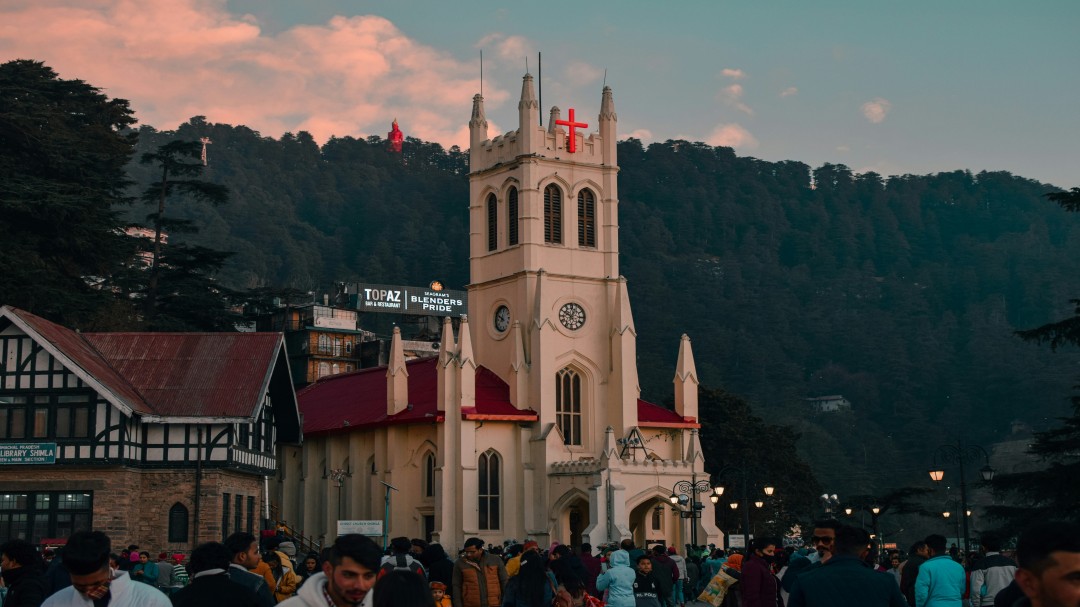

By late afternoon, the cold settles gently over Shimla. The lights along Mall Road flicker on, laughter spills out of cafés, and tourists pause mid-walk—not to click photos, but simply to breathe. For many who have arrived from pollution-choked cities, that simple act feels like a small luxury.
As winter smog tightens its grip on large parts of north India, Shimla is once again seeing an influx of visitors looking for relief. Travellers from Delhi, NCR and nearby cities are choosing the hills not for grand itineraries, but for something more basic and deeply felt—clear air, open skies and a break from sealed windows and air purifiers.
The mood in town is turning festive with the Winter Carnival just around the corner. Preparations are visible everywhere. Stalls are being set up, stages readied, and public spaces dressed in lights. The carnival, which runs through the Christmas and New Year period, promises cultural performances, local food, music evenings and simple celebrations that invite people to slow down rather than rush.
For many tourists, the trip was an easy decision. “Back home, winter means headaches and burning eyes,” said a visitor from Noida, warming his hands around a cup of tea. “Here, the cold feels honest. You step out and feel awake.” Similar sentiments echo across benches, viewpoints and cafés, where conversations drift from pollution levels back home to how long people plan to stay.
Hotels and homestays are close to full, especially for the year-end week. Some visitors have extended their bookings, deciding that quieter celebrations in the hills feel more meaningful than crowded parties in the city. For families, the appeal lies in simple walks, early dinners and nights that end with blankets instead of traffic.
The increased footfall has prompted the local administration to stay alert. Traffic movement is being monitored closely, additional police personnel have been deployed and officials are keeping watch over busy stretches to ensure that the festive rush remains manageable. The effort, they say, is to let visitors enjoy the season without turning the town chaotic.
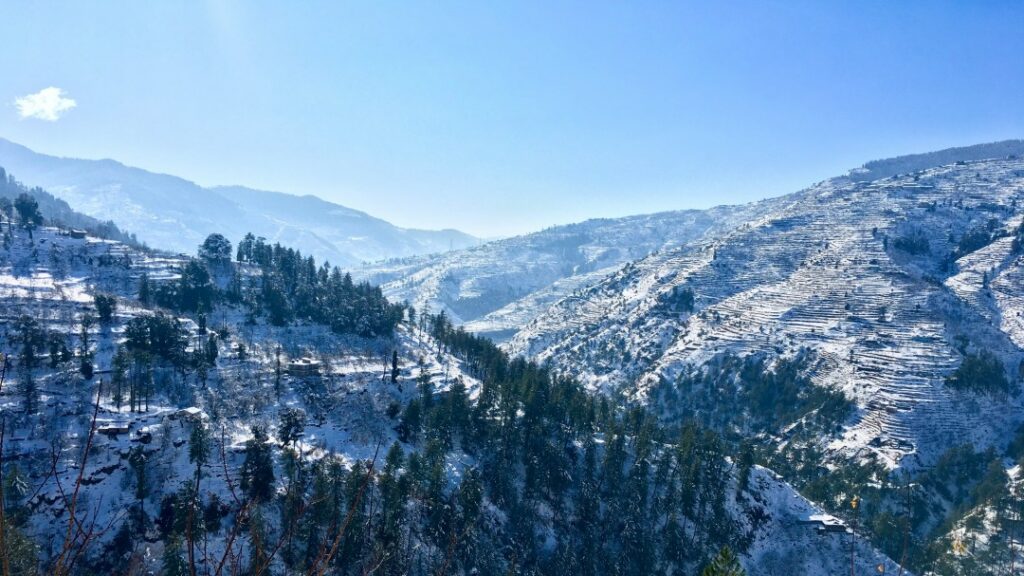
Snowfall, always a big draw, has been uncertain so far. But this year, many tourists seem less fixated on snow. Cultural shows, music and food stalls have taken centre stage, offering warmth and activity even without white slopes. The carnival, in that sense, feels less about spectacle and more about atmosphere.
For local shopkeepers, café owners and taxi drivers, the crowd brings reassurance. Winter is a crucial season for Shimla, and every occupied room and busy street means income and continuity. There’s a quiet optimism in the air, carried in small conversations behind counters and steering wheels.
More than just a seasonal event, Shimla’s Winter Carnival reflects a changing travel instinct. As pollution increasingly shapes everyday life in cities, people are travelling not to tick destinations off a list, but to feel better—even briefly. In Shimla this winter, the celebration is real, the lights are bright, but the biggest attraction remains invisible: air that feels clean, cold and easy on the lungs.