
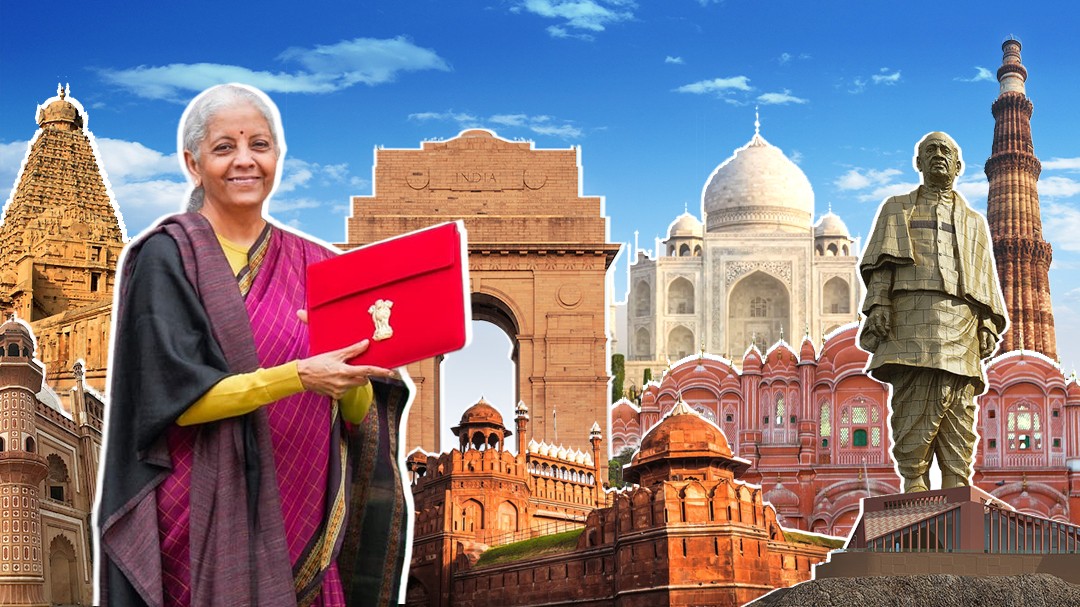

The Union Budget 2026–27 quietly sends out a clear message: tourism isn’t just about numbers anymore. It’s about people, places, and what happens when the two meet.
This year’s budget doesn’t chase flashy promises or oversized campaigns. Instead, it leans into something more lasting — building destinations properly, creating real jobs, and letting tourism grow from the ground up. The Ministry of Tourism has been allocated ₹2,438 crore, roughly in line with last year. But where the money goes matters more than how much there is.
The shift is visible. Less emphasis on big overseas promotions. More attention on infrastructure, skills, and experiences that actually improve travel on the ground.
Turning travel into livelihoods
One of the strongest signals in Budget 2026 is its focus on employment. The government plans to train and upskill nearly 10,000 tourist guides across 20 destinations. It may seem modest on paper, but on the ground, it could make a real difference.
Good guides don’t just explain monuments — they bring places to life. They shape memories, share local stories, and help travellers see destinations through human eyes. For young people in heritage towns and rural regions, this also means something more lasting: steady livelihoods without having to leave home.
Giving heritage the time and care it deserves
Heritage tourism gets a thoughtful push this year. Around 15 archaeological and historical sites, including Lothal, Dholavira, Sarnath, Hastinapur and Leh Palace, are set to be developed as immersive destinations.
The focus isn’t on spectacle. It’s on better access, clearer storytelling, interpretation centres and visitor facilities — improvements that help travellers connect with history without diluting it. The aim is simple: make India’s past easier to experience, not louder.
Nature-led travel steps into the spotlight
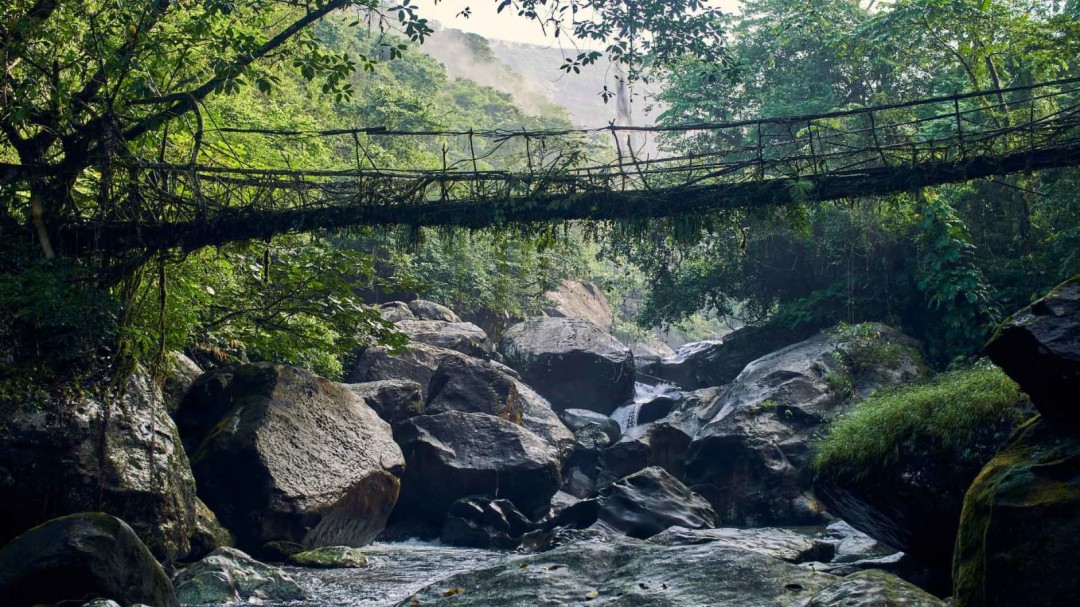
Budget 2026 also reflects how travel preferences are changing. Eco-tourism, trekking routes, bird-watching trails and adventure circuits find clear mention.
These are quieter forms of tourism, often spread across lesser-known regions. With better planning and coordination between states, mountain trails, coastal routes and wildlife-linked experiences could open up new income streams while keeping environmental impact low.
Healing, wellness and travel come together
Medical tourism receives another boost with plans to develop five regional medical tourism hubs. These will integrate hospitals, wellness centres, AYUSH facilities, hotels and post-treatment care.
The idea is to move beyond treatment alone — and build a complete recovery experience that strengthens India’s standing as a global medical and wellness destination.
Connectivity: the invisible backbone of tourism
Not all tourism support comes with a tourism label. Better roads, railways and regional air connectivity form the backbone of this year’s vision.
Improved access to heritage sites, remote destinations and eco-tourism circuits can quietly transform how people travel — making once-distant places easier, safer and more inviting to explore.
Industry response: optimism with caution
The tourism and hospitality industry has largely welcomed the budget’s direction. The emphasis on skills, destinations and infrastructure is seen as a step in the right direction.
At the same time, concerns remain around limited spending on international marketing. Many believe India needs to tell its tourism story more assertively abroad if it wants global travellers to fully appreciate the experiences being built at home.
Beyond policy, a shift in how we travel
Taken together, Budget 2026 treats tourism as a long-term commitment rather than a short-term boost. One that can create jobs, revive heritage, strengthen local economies and spread travel beyond a handful of crowded hotspots.
And travellers are already moving in that direction.
There’s less urgency to tick boxes. More desire to slow down. More time spent in local cafés, on viewpoints, in conversations that aren’t planned. The kind of moments that don’t always make it to postcards — but stay with you.
Intentional travel isn’t about going everywhere.
It’s about going with purpose.
Where Explurger fits into this moment
At Explurger, we don’t just watch this shift — we’re part of it.
Every day, travellers use Explurger to plan better, save places they care about, and map journeys as they unfold.
As infrastructure gets stronger on the ground, Explurger is helping travellers build their own digital travel footprint — one location, one memory, one story at a time.
Budget 2026 may stand out as a policy milestone.
For the Explurger community, it signals something more personal.
A future where travel is easier to start, simpler to track, and meaningful long after the journey ends.