


Delhi Government Approves Major Conservation Plan For Asola Bhatti Wildlife Sanctuary
Delhi’s green lungs are finally set for a long-term ecological revival. The Delhi government has approved a comprehensive 10-year conservation and restoration plan for Asola Bhatti Wildlife Sanctuary, focusing on wildlife protection, habitat restoration, biodiversity conservation, and sustainable eco-tourism until 2035.
Spread across nearly 32 square kilometres along the southern ridge of the Aravalli hills, the sanctuary remains one of the last surviving wilderness zones within the National Capital Region (NCR). The new strategy comes at a critical time as rapid urbanisation, pollution, encroachments, and increasing human pressure continue to threaten Delhi’s fragile forest ecosystems.
Why Asola Bhatti Wildlife Sanctuary Matters To Delhi
Asola Bhatti Wildlife Sanctuary plays a vital ecological role for Delhi and the nearby NCR regions. The forest acts as a natural buffer against dust pollution, supports groundwater recharge, regulates local temperatures, and provides habitat connectivity for wildlife moving across the Aravalli landscape.
Environmental experts believe protecting the sanctuary has become increasingly important as Delhi faces worsening air pollution, rising temperatures, and shrinking green cover.
Key Ecological Benefits Of Asola Bhatti Wildlife Sanctuary
- Helps reduce dust and air pollution in Delhi NCR
- Supports biodiversity conservation inside urban Delhi
- Preserves a critical section of the ancient Aravalli ecosystem
- Maintains groundwater recharge zones
- Provides habitat corridors for wildlife species
What The New 10-Year Conservation Plan Includes
The newly approved management plan focuses on balancing ecological conservation with controlled public access and responsible eco-tourism.
Core Features Of The Conservation Strategy
Habitat Restoration And Native Vegetation Recovery
Authorities plan to restore degraded forest patches and revive native vegetation to strengthen biodiversity across the sanctuary.
Core And Eco-Tourism Zones
The sanctuary will now be divided into carefully monitored “core” wildlife zones and regulated eco-tourism areas. Sensitive habitats will receive stricter protection, while tourist movement will remain limited to designated sections.
Visitor Carrying Capacity System
Officials are also introducing a carrying-capacity model that may limit visitor numbers based on the environmental pressure specific areas can sustain.
Revival Of Water Bodies
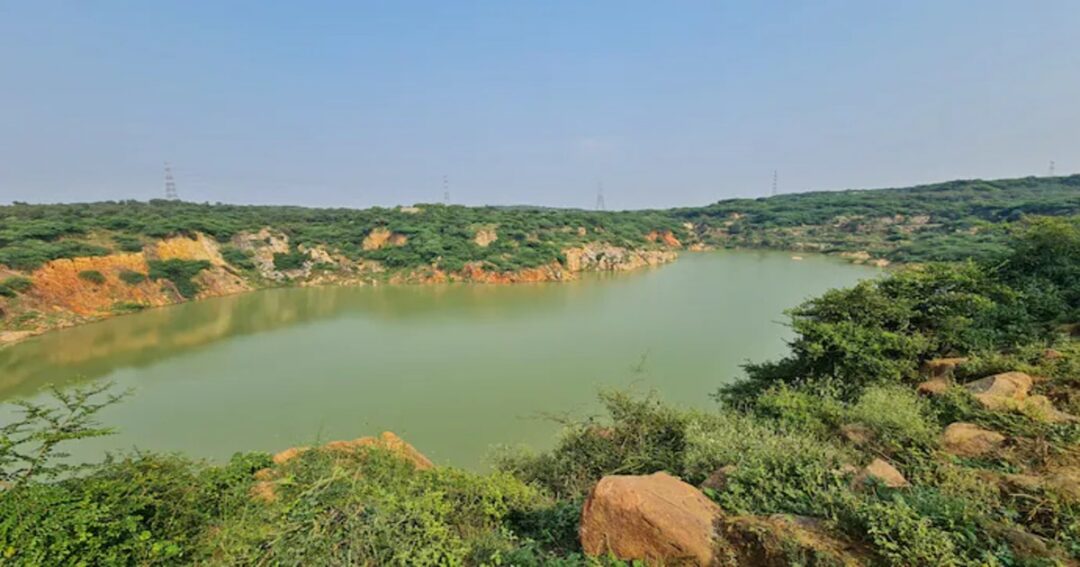
Several abandoned mining pits inside the sanctuary are expected to be transformed into functional water bodies to support wildlife during Delhi’s harsh summer season.
Wildlife Found Inside Asola Bhatti Wildlife Sanctuary
Recent biodiversity assessments have highlighted the ecological richness of the sanctuary, surprising many Delhi residents.
Mammals Spotted In The Sanctuary
- Leopards
- Striped hyenas
- Jackals
- Nilgai
- Jungle cats
- Porcupines
- Wild boars
- Indian hares
Camera traps installed in quieter forest sections have also recorded predator movement, underlining the importance of preserving undisturbed habitats within Delhi’s rapidly expanding urban environment.
Eco-Tourism And Nature Education Plans
The Delhi government also aims to develop Asola Bhatti Wildlife Sanctuary as a leading urban eco-tourism and environmental education destination.
Planned Visitor Experiences
- Guided nature walks
- Birdwatching trails
- Butterfly parks
- Biodiversity interpretation centres
- Wildlife photography workshops
- Student nature camps
- Citizen-science programmes
Officials hope these initiatives will reconnect Delhi residents with the city’s disappearing natural ecosystems while promoting conservation awareness.
How The Sanctuary Supports Delhi’s Environmental Future
Conservationists say the future of Asola Bhatti Wildlife Sanctuary represents a larger question for India’s growing megacities — whether urban development and wildlife conservation can coexist sustainably.
The sanctuary is considered one of the final surviving extensions of the Aravalli ecosystem within Delhi-NCR, making its protection essential for ecological balance, climate resilience, and biodiversity preservation in the capital.