
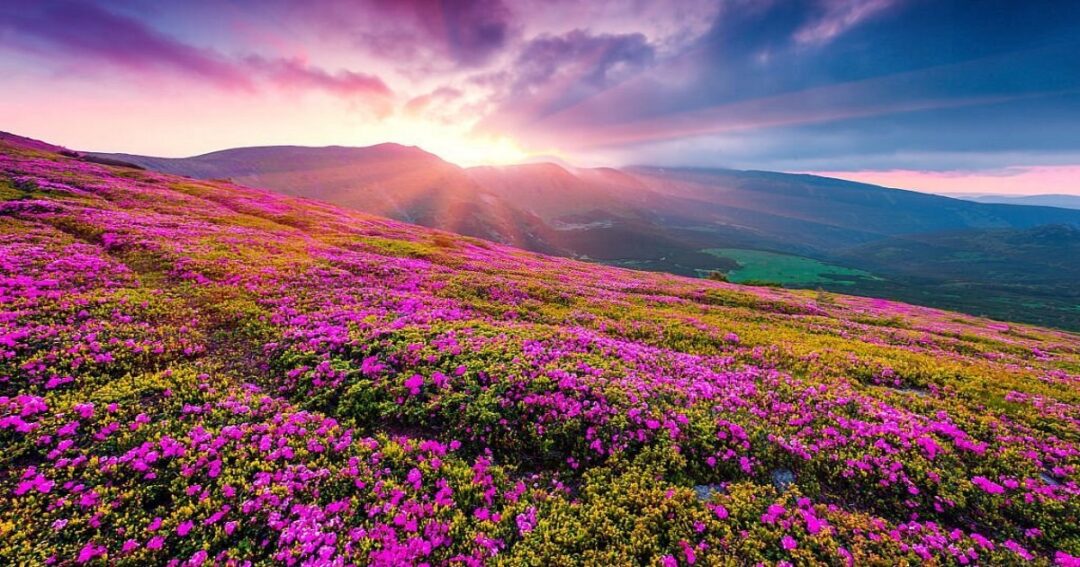

The famous Valley of Flowers National Park in Uttarakhand has officially reopened for the 2026 tourist season, welcoming visitors from June 1 to October 31, 2026. Known for its colorful alpine meadows, rare Himalayan flowers, and breathtaking mountain scenery, the Valley of Flowers is one of India’s most beautiful trekking destinations and a UNESCO World Heritage Site.
Nature lovers, trekkers, photographers, and adventure seekers can now plan their journey to witness this spectacular Himalayan wonder at its finest.
What is the Valley of Flowers?
The Valley of Flowers National Park is a high-altitude Himalayan valley located in the Chamoli district of Uttarakhand, India. Situated at an elevation of approximately 3,600 meters above sea level, the national park covers nearly 87 square kilometers and is famous for its extraordinary biodiversity.
Surrounded by snow-capped peaks, waterfalls, glaciers, and lush green landscapes, the valley becomes a vibrant carpet of wildflowers during the monsoon season.
Why is the Valley of Flowers Famous?
The Valley of Flowers is renowned for:
- Over 600 species of alpine flowers
- UNESCO World Heritage Site status
- Stunning Himalayan landscapes
- Rich biodiversity and wildlife
- Popular trekking routes
- Proximity to Hemkund Sahib
Every year, thousands of travelers visit the valley to witness one of nature’s most spectacular floral displays.
Valley of Flowers Reopening Dates 2026
| Details | Information |
|---|---|
| Opening Date | June 1, 2026 |
| Closing Date | October 31, 2026 |
| Location | Chamoli District, Uttarakhand |
| Altitude | 3,600 meters |
| UNESCO Status | World Heritage Site |
Visitors are advised to check weather conditions before planning their trip, as Himalayan weather can change rapidly.
Best Time to Visit Valley of Flowers in 2026
Peak Flower Bloom Season (July to August)
The most beautiful time to visit the Valley of Flowers is between mid-July and late August. During this period, the valley experiences peak flowering, transforming the landscape into a colorful paradise.
Popular flowers seen during this season include:
- Blue Poppy
- Primula
- Himalayan Orchid
- Marigold
- Anemone
- Daisy
September for Clear Mountain Views
September offers:
- Better visibility
- Clear skies
- Fewer tourists
- Stunning Himalayan vistas
It is an excellent month for photography enthusiasts and trekkers seeking a quieter experience.
How to Reach Valley of Flowers
Reaching the Valley of Flowers involves a scenic Himalayan trek.
Route Overview
Rishikesh → Joshimath → Govindghat → Ghangaria → Valley of Flowers
Trek Details
Govindghat to Ghangaria
- Distance: 13 km
- Trek Difficulty: Moderate
- Duration: 5–7 hours
Ghangaria to Valley of Flowers
- Distance: 4 km
- Trek Difficulty: Easy to Moderate
- Duration: 2–3 hours
The trail passes through dense forests, mountain streams, waterfalls, and wooden bridges, making the journey as memorable as the destination itself.
Flowers Found in Valley of Flowers
The valley is home to hundreds of rare and exotic Himalayan flower species.
Popular flowering plants include:
- Himalayan Blue Poppy
- Cobra Lily
- Primula
- Marsh Marigold
- Geranium
- Anemone
- Himalayan Bellflower
- Daisies
- Orchids
The valley’s appearance changes throughout the season as different flowers bloom at different times.
Wildlife in Valley of Flowers National Park
Apart from flowers, the region supports diverse wildlife species.
Animals found in and around the park include:
- Himalayan Black Bear
- Musk Deer
- Blue Sheep (Bharal)
- Himalayan Tahr
- Red Fox
- Snow Leopard (rare sightings)
Birdwatchers can also spot several Himalayan bird species throughout the trekking season.
Visit Hemkund Sahib Along with Valley of Flowers
Many travelers combine their Valley of Flowers trek with a visit to Hemkund Sahib, one of the highest Sikh pilgrimage sites in the world.
Located at over 4,300 meters, Hemkund Sahib offers:
- Stunning glacial lake views
- Snow-covered mountain peaks
- Spiritual significance
- Challenging Himalayan trekking experience
The trek starts from Ghangaria and can be completed as a day trip.
Valley of Flowers Entry Rules and Conservation Efforts
The Valley of Flowers is an ecologically sensitive region and follows strict conservation guidelines.
Visitors should note:
- Camping is prohibited inside the national park.
- Entry is allowed only during designated hours.
- Littering is strictly prohibited.
- Visitors must follow park regulations to protect the fragile ecosystem.
These measures help preserve the valley’s biodiversity for future generations.
Why Valley of Flowers is One of the Best Places to Visit in Uttarakhand
The Valley of Flowers offers a unique combination of:
- Himalayan trekking adventure
- Rare flower species
- Scenic mountain landscapes
- Wildlife experiences
- Nature photography opportunities
- Sustainable tourism experiences
Its limited seasonal accessibility makes it one of India’s most exclusive and sought-after travel destinations.
Final Thoughts
With the Valley of Flowers reopening for the 2026 season, travelers once again have the opportunity to experience one of India’s most spectacular natural attractions. From colorful alpine meadows and rare Himalayan flowers to breathtaking mountain landscapes and rewarding trekking trails, the Valley of Flowers remains a dream destination for nature lovers and adventure enthusiasts alike.
If you’re planning a Himalayan getaway in 2026, this UNESCO World Heritage Site deserves a place at the top of your travel bucket list.