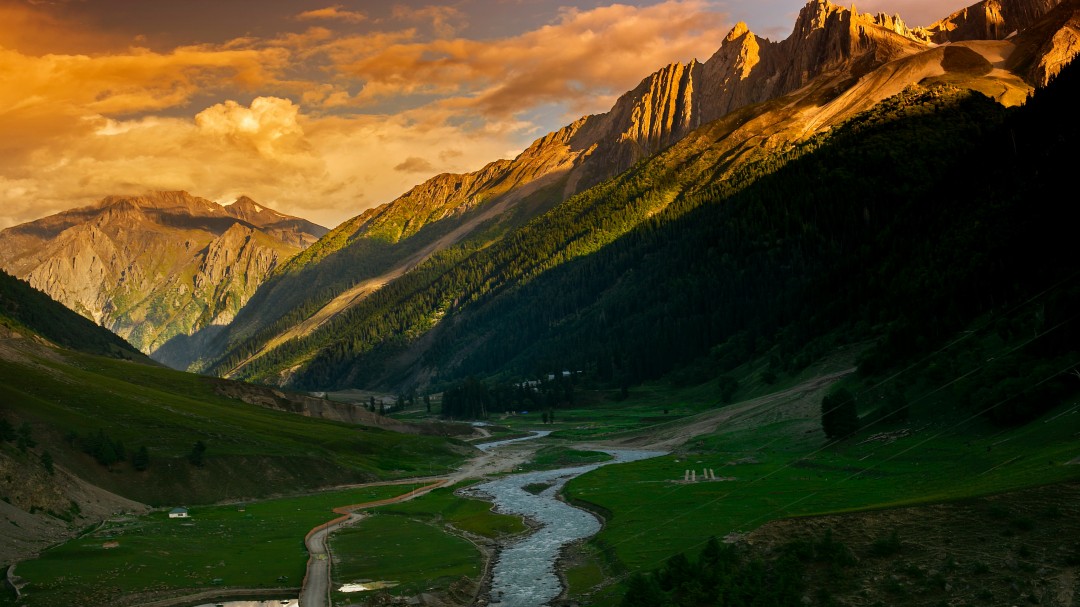

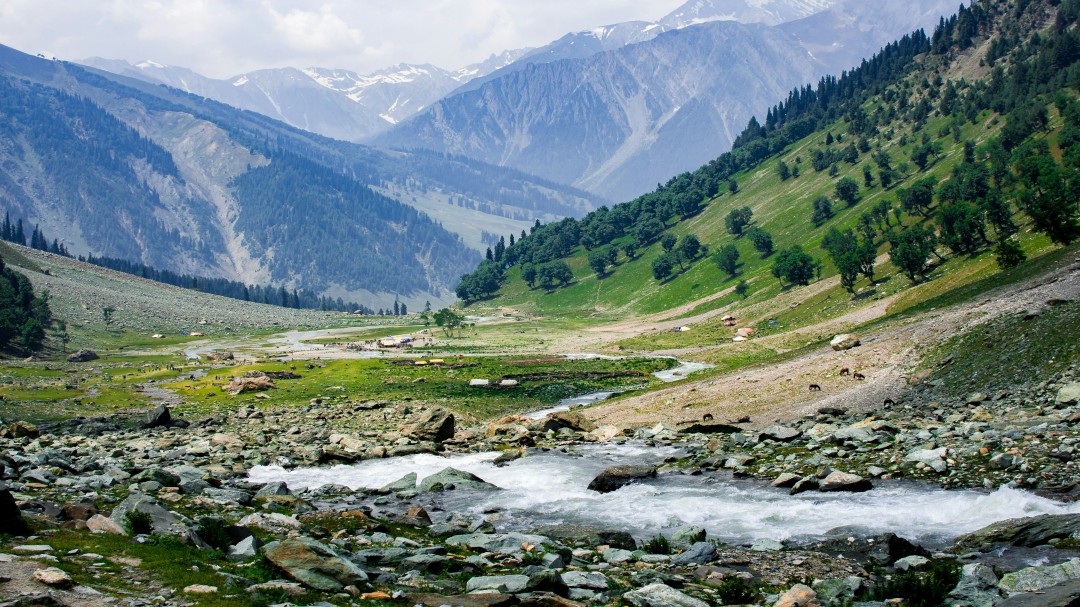

There’s a certain stillness in the mountains of Pahalgam that regular visitors know well. After the 2025 attack that shook the region, that stillness felt heavier — not peaceful, but uncertain.
Now, months later, Jammu and Kashmir is taking a careful step toward normalcy. Fourteen tourist destinations that were temporarily shut as a security precaution have reopened to the public.
It’s not being called a grand reopening. There are no loud celebrations. But for the people who depend on tourism here, this moment matters deeply.
When the April attack happened, authorities moved quickly, closing several popular and offbeat spots across the Valley and parts of Jammu while security reviews were conducted. The decision was precautionary, but its impact was immediate. Bookings slowed. Cancellations rose. Taxi drivers waited longer for passengers. Small tea stalls near meadows saw fewer footsteps.
Following a fresh security assessment, Lieutenant Governor Manoj Sinha directed that 14 destinations be reopened with strengthened safety measures in place.
Places Breathing Again
Among the reopened locations are landscapes travellers often describe as “postcard-perfect”:
- Yousmarg, where pine forests stretch endlessly and mornings feel untouched
- Doodhpathri, a meadow so green it almost looks unreal
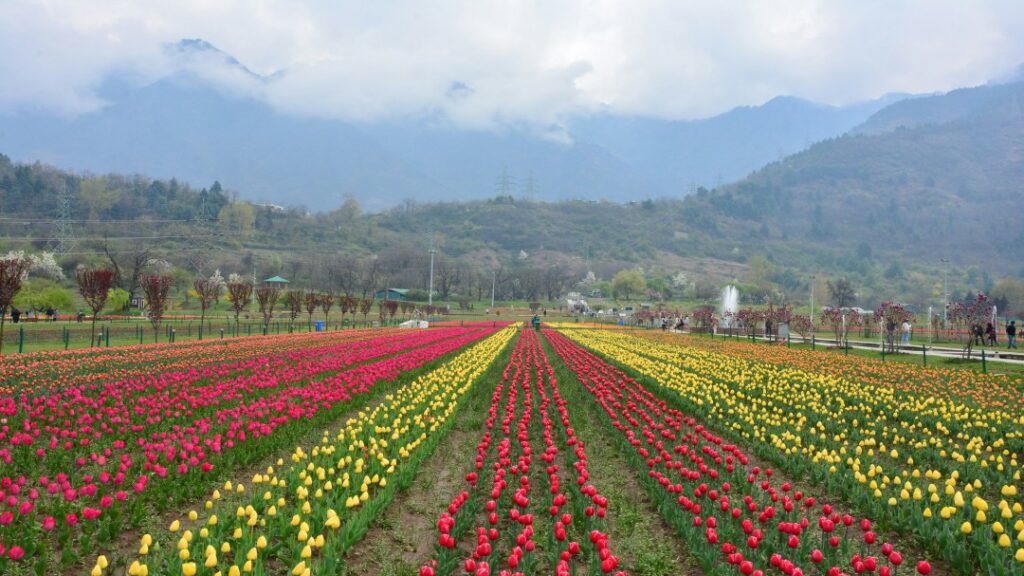
- Indira Gandhi Memorial Tulip Garden in Srinagar
- Thajwas Glacier, a favourite for those seeking snow even in summer
- Wular Lake, where calm waters reflect changing skies
In the Jammu division, spots such as Devi Pindi and Mughal Maidan are also welcoming visitors again.
Eleven of the reopened sites are in the Kashmir Valley, while three are in Jammu.
More Than Just Tourism
In Jammu & Kashmir, tourism isn’t just an industry statistic. It’s woven into daily life.
It’s the pony handler guiding first-time trekkers.
It’s the houseboat owner preparing rooms before sunrise.
It’s the roadside vendor pouring kahwa for passing travellers.
When tourist movement slows, the effect travels far beyond hotel lobbies.
Over the past few years, the Union Territory had been witnessing record-breaking footfall, with crores of visitors choosing the region for leisure, pilgrimage, and adventure. The attack interrupted that momentum, creating understandable hesitation among travellers.
The reopening of these destinations signals that authorities believe conditions are stable enough to move forward — cautiously but confidently.
Safety First, Always
Security remains visibly tightened. Patrols have increased, coordination between local police and security forces continues, and monitoring at key tourist entry points has been strengthened.
Officials have indicated that more destinations may reopen in phases after further review and seasonal clearances.
A Valley That Endures
For travellers planning their next trip, the message is simple: the mountains are still here, the meadows are still green, and the welcome remains warm.
For locals, this reopening feels like a small but meaningful turning point.
Jammu & Kashmir is not trying to erase what happened. It is choosing to move forward — quietly, steadily, and with hope that the footsteps of travellers will once again echo through its valleys.